


Getting the timing right can mean the difference between a thick, green lawn and wasted effort. In the UK, our unpredictable weather makes knowing when to act even more important. This guide covers exactly when to repair your lawn, what to avoid, and how to get the best results with minimal guesswork.
Key Takeaways
-
The best time to repair a lawn in the UK is usually spring (March to May) and early autumn (September to October), when soil temperatures support strong germination.
-
Warm soil from summer paired with autumn rain promotes fast germination and deeper root development before winter, making autumn ideal for overseeding.
-
Spring is perfect if you want a better-looking lawn ready for summer use.
-
Avoid lawn repairs during frost, drought, or extreme heat, even if the calendar suggests it should work.
-
Combining the right lawn feed, quality grass seed, and simple soil preparation is essential for fixing bare patches properly.
-
GREENER’s complete spring lawn system makes it easy to follow the right timing and steps without confusion.
Why Timing Matters For Lawn Repair
In the UK, timing can be the difference between quick, thick regrowth and wasted lawn seed that never establishes. Most failed repairs come down to poor conditions rather than poor effort.
Soil temperature is the critical factor. Grass seed germinates best when soil is consistently around 8 to 10°C or higher, which usually happens from late March to May and again in September to early October. Soil temperature must consistently stay above 10°C for successful germination. If soil temperature drops below 6 to 8°C, grass seeds may lie dormant or rot.
Most UK lawn grasses, like perennial ryegrass and fescues, need warmth and moisture together. Moisture levels should be maintained continuously damp but never waterlogged for effective lawn repair. Repairs are slow or fail completely if one element is missing.
Spring offers warming soil, frequent showers, and variable nights. Autumn brings warm soil from summer, steady rain, and fewer heat spikes. Both seasons provide light levels and day length that support rapid recovery, making them ideal for overseeding and treating bare patches.
Is Spring The Best Time To Repair A Lawn?
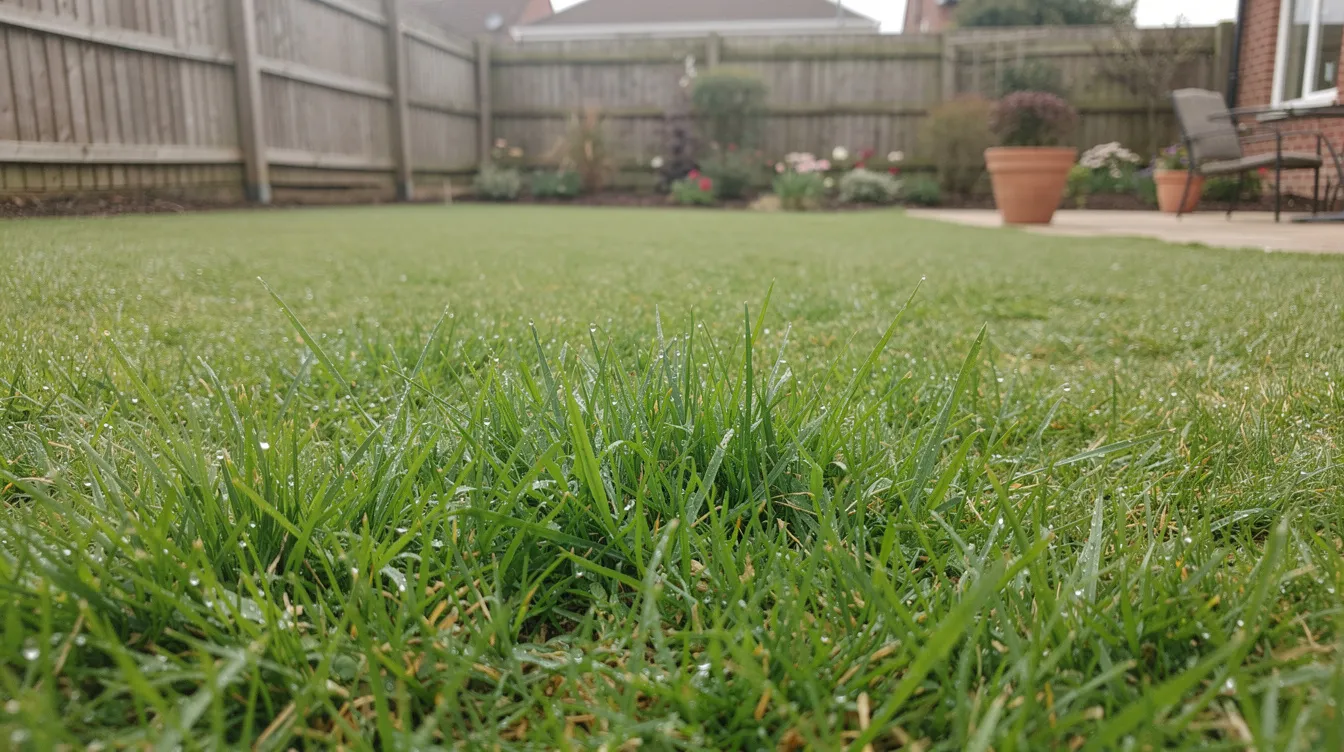
Spring, especially April and May, is often the most popular and practical time to repair UK lawns. Spring is the perfect time to give your lawn some care and attention to get it into great shape for summer, as it helps recover from the stress of winter and prepares it for the growing season ahead.
Spring lawn repair usually starts once the risk of hard frost drops and soil warms. In southern England, this is typically late March. Further north or in cooler areas, early to mid April is more realistic.
Key benefits of spring lawn care include:
-
Rapid top growth as the weather warms
-
Easier to spot winter damage, moss coverage, and bare patches
-
Enough time for new grass to thicken before summer use
For effective spring lawn care tips, start by lightly raking and scarifying to remove moss and thatch. To effectively control weeds in spring, scarifying the lawn with a spring tine rake or mechanical scarifier can remove thatch and moss, allowing for better growth of grass. Moss often thrives in damp, poorly drained lawns, and spring is a good time to rake it out to reduce its presence.
Spring is an ideal time to feed your lawn with a high-nitrogen fertiliser to promote lush growth, typically applied in March or April. Applying a spring lawn feed helps to replenish nutrients in the soil, which is essential for strong grass growth after winter. To avoid burning the grass, it is recommended to apply fertiliser just before rain is forecast or to water the lawn thoroughly after application.
Using a combined weed, feed, and moss-killing product can help manage both weeds and moss simultaneously, promoting a healthier lawn. A slow-release fertiliser delivers nutrients gradually over a long period, which keeps grass healthier for longer and reduces the frequency of feeding needed.
Then overseed bare patches with quality grass seed. Overseeding your lawn in spring helps to fill in bare patches caused by moss removal and improves the overall appearance of the lawn.
A proper spring lawn treatment plan can transform a tired, patchy lawn into a thicker spring lawn ready for barbecues and children playing by June. The GREENER Transformation Kit provides a complete system with LAUNCH seed, GROWTH fertiliser, BOOST biostimulant, and POWER iron, all timed for spring repairs. Following a simple step-by-step spring lawn care schedule removes the guesswork around when to seed, when to feed, and when to mow.
Is Autumn Good For Lawn Repair?
Many UK lawn specialists regard early autumn (September to mid October) as the single best time to repair a lawn. The best time for repairing a lawn is early autumn (September to October), with early spring (March to May) being the second best option.
After summer, cooler air and more frequent rain help keep the top few centimetres of soil evenly moist, ideal for new lawn seed. Artificial watering may be significantly reduced due to natural UK autumn rainfall. Soil is still warm from summer, so grass seed germination in autumn is often faster and more even than in early spring.
Autumn is perfect for overseeding thin lawns, filling in bare patches, and tackling lawn weeds that invaded during summer stress. The best time to repair bare patches in your lawn is in early autumn, but it can also be done in mid-spring once the weather is milder.
A simple autumn repair routine includes:
-
Aerate or spike compacted areas
-
Scarify to remove thatch and dead grass
-
Apply an autumn lawn fertiliser higher in potassium
-
Spread grass seed across thin or bald patches
Preparing the soil involves mowing short, raking out thatch or moss, and loosening the topsoil. Autumn repairs give grass time to establish strong roots before winter, so the lawn bounces back quickly in spring.

When NOT To Repair A Lawn
Even if it is technically spring or autumn, some weather conditions are simply wrong for lawn repair. Conditions for successful lawn repair include moist, moderate temperatures and avoiding heavy waterlogged soil and freezing temperatures.
Frost: Avoid sowing grass seed or heavy work when frost is likely, typically from late October through February, and sometimes into March in colder regions.
Extreme heat: Repairing during heatwaves (often late June to August in recent UK summers) is risky. Shallow-rooted new grass struggles and watering demands increase sharply.
Drought conditions: During prolonged dry spells and hosepipe bans, lawn seed often fails without consistent moisture. Feeding can scorch stressed grass.
Waterlogged ground: After prolonged winter rain, wait until standing water has drained and soil is no longer squelchy underfoot before overseeding or scarifying.
Delay major repairs if the 7 to 10 day forecast shows overnight frosts, very high daytime temperatures above around 25°C, or no rain at all.
Month-By-Month Lawn Repair Guide (UK)
This overview helps you decide the best month to repair grass in your part of the UK. Dates are approximate: southern England may start earlier (late March), while Scotland and higher ground may run 2 to 3 weeks later.
Spring (March, April, May)
-
March is often about assessment: checking for moss, lawn weeds, and bare patches after the long winter. Wait for soil to warm before heavy repairs.
-
In spring, it is essential to clear away debris like leaves and twigs from the lawn, as this helps maintain a clean lawn and reduces the risk of disease.
-
Late March to April is usually the start of reliable overseeding season when soil temperatures reach 8 to 10°C.
-
In the UK, you can usually start mowing your lawn in March or April, once the grass begins to grow. Once the grass starts to grow in spring, it is important to begin regular mowing, ideally starting with the mower on its highest setting to avoid stressing the grass.
-
When mowing for the first time in spring, set your mower to the highest setting and aim to cut no more than one-third of the grass blade length.
-
Initially, you may only need to mow your lawn once a fortnight in spring, gradually increasing the frequency as the grass grows more rapidly.
-
New grass shoots should reach approximately 7.5 cm (3 inches) in height before the first mowing.
-
May is excellent for patching bare areas with lawn seed and thickening thin lawns.
-
Spring lawn care should include edging to maintain neat borders, which can be done using a half-moon edging iron or a flat-bladed spade.
-
Applying a spring lawn treatment is effective for improving conditions needed for grass to grow well, as it helps to relieve soil compaction and provides necessary nutrients.
-
Aeration and scarification are essential treatments for lawns in spring, as they help reduce thatch build-up and improve water and nutrient absorption.
-
Aeration involves creating holes in compacted soil to allow air and water to reach the roots, which is crucial for healthy grass growth.
-
Scarification removes moss and dead grass, revitalising the lawn and allowing more sunlight and water to penetrate the soil.
Summer (June, July, August)
-
Summer is usually not the best time for full lawn renovation, but minor repairs and upkeep are still possible in cooler, wetter spells.
-
June can still work for light overseeding if soil is moist and temperatures are moderate, but watering must be consistent.
-
Avoid major seeding projects in July and August during hot, dry periods.
-
Focus on slightly higher mowing cuts, spot-treating stubborn lawn weeds, and deep but infrequent watering.
-
Mark obvious bare patches noticed in August for repair in September.
Autumn (September, October, early November)
-
September is often the prime month for large-scale overseeding and full lawn repair, especially after a hot summer.
-
Spike compacted soil, scarify out dead material, then apply lawn fertiliser followed by grass seed.
-
October is usually the last good month to sow lawn seed in most regions.
-
Early November may still work in mild southern areas for small repairs, but germination slows sharply.
-
Autumn work sets the lawn up to come through winter stronger with fewer bare patches for weeds and moss to invade.
Winter (late November, December, January, February)
-
Winter is rarely suitable for lawn repair with seed. Soil is cold, days are short, and frosts are common.
-
Focus on light tasks: gently removing leaves, avoiding walking on frosty grass, and planning spring lawn care.
-
Leave heavy aeration or scarification until soil warms again in March or April.
-
Avoid high-nitrogen fertiliser in winter. Any late autumn feed should focus on root strength rather than top growth.
What Products Should You Use?
Good timing only works when paired with the right products and a simple process.
Grass seed: Choose a high-quality lawn seed blend suited to UK conditions, such as a hard-wearing ryegrass mix for family lawns. Use it to overseed bare patches and thin areas. Using a patch repair kit can promote fast growth and prevent seeds from washing away in rain.
Lawn fertiliser: Spring lawn feed is typically higher in nitrogen for green growth. Autumn lawn feed contains more potassium and phosphorus for roots and resilience.
Biostimulants: Seaweed-based liquids help root development, stress tolerance, and overall lawn health when used alongside seed and feed.
Iron treatment: Iron-based products help control moss and deepen colour. Time them correctly before seeding, and they can blacken moss prior to raking out.
Complete systems: Instead of guessing at separate products, a complete lawn care system like GREENER gives a clear order (prepare, feed, seed, boost) aligned with UK seasons.
Why GREENER Works Well In Spring
Spring is when most homeowners notice problems and finally have time to act. GREENER has been built around this key repair window.
The GREENER Transformation Kit is designed specifically for UK lawns, with product rates and instructions based on typical UK spring weather patterns. The simple 4-step system includes:
-
Prepare – reduce moss and thatch, improve soil
-
Feed – apply GROWTH fertiliser
-
Seed – sow LAUNCH premium grass seed
-
Boost – apply BOOST biostimulant for faster, healthier establishment
The kit covers around 100 m², fitting most small to medium UK gardens, and can be applied in under an hour by a beginner following a clear guide. Customers often see visible improvement within weeks, with thicker, greener growth coming through before summer.
Ongoing seasonal care kits keep the timing on track, removing confusion about when to overseed, feed, or switch to autumn care.
Final Verdict: When Is The Best Time To Repair A Lawn In The UK?
The ideal seasons for repairing a lawn in the UK are early autumn and mid-spring. Spring is ideal if the goal is a better-looking lawn for summer. Autumn is often best for quick germination and strong root development before winter.
Poor timing wastes lawn seed and fertiliser, so watching the weather is just as important as the month on the calendar. Follow a simple plan: prepare the surface, apply the right lawn feed, sow good grass seed, then support new growth with watering and sensible mowing.
For homeowners who want clear instructions and professional results without guesswork, GREENER offers everything needed in one box, timed for UK seasons.
FAQ
These questions cover common timing issues beyond the main sections.
When should I overseed my lawn in the UK?
The best periods to overseed are generally April to May and September to early October, when soil is warm enough for germination and natural rainfall helps keep new seed moist. In milder parts of southern England, late March can also work. Check soil temperature (aiming for around 8 to 10°C) rather than relying only on calendar dates.
Is May a good time to repair grass?
May is usually an excellent month to repair grass across much of the UK. Soil has warmed, frosts are rare, and daylight hours are long. It is ideal for patching bare areas and following up a spring lawn feed with light maintenance. In very dry Mays, extra watering may be needed.
Can I repair my lawn in summer?
Summer lawn repair is possible in cooler, wetter spells, especially early June, but is challenging during hot, dry weather in July and August. Avoid major reseeding during heatwaves or hosepipe bans. Small bare patches can be tackled if the area is kept consistently moist.
What temperature does grass seed grow best at?
Most common UK lawn grasses germinate best when soil temperatures are consistently around 8 to 10°C or higher, with optimal growth between about 10 to 18°C. Soil temperature is usually a few degrees lower than air temperature, so wait for a settled mild spell.
Should I fertilise before or after seeding bare patches?
A light, balanced lawn fertiliser can be applied before seeding if watered in and the product label permits. Avoid heavy, high-nitrogen feeds right before sowing, as these can scorch young roots. A purpose-designed programme like GREENER clearly sets out when to feed and when to seed for each season.


