


Key Takeways
-
The ideal time for spring feeding lawn care in the UK is usually late March to late April, once soil temperature is around 12°C and the grass is actively growing.
-
Choose nitrogen-rich, slow release spring lawn feeds for spring summer colour; autumn lawn feeds should be lower in nitrogen and higher in potassium.
-
Correct feeding helps grass thicken up, which reduces lawn weeds, moss, and weed growth without relying constantly on weedkiller.
-
Use a spreader for even distribution, then lightly water or time the job before gentle rain to prevent scorch and patchy growth.
-
A simple plan is: spring lawn feed in March–April, optional light summer feed in June–July, and an autumn feed in September–October.
Introduction: Why Spring Feeding Transforms Your Lawn
A single spring lawn feed can turn a tired, pale lawn into a greener, thicker sward by early summer. After winter, grass often looks thin because heavy rain can wash essential nutrients from the soil, especially nitrogen.
Healthy lawns look good, withstand wear and tear better, and are less prone to disease, as feeding provides the necessary nutrients for robust growth. Feeding your lawn the right nutrients at the right time also helps prevent weeds and moss from establishing, as they creep in when lawns become patchy and weak.
Spring feeding sets the lawn up for easier mowing, fewer bare patches, better drought tolerance, and more healthy growth through the growing season. Spring and summer feeds are different from autumn lawn feeds: this guide focuses on spring, but also shows how the full season fits together.
When to Feed Your Lawn in Spring
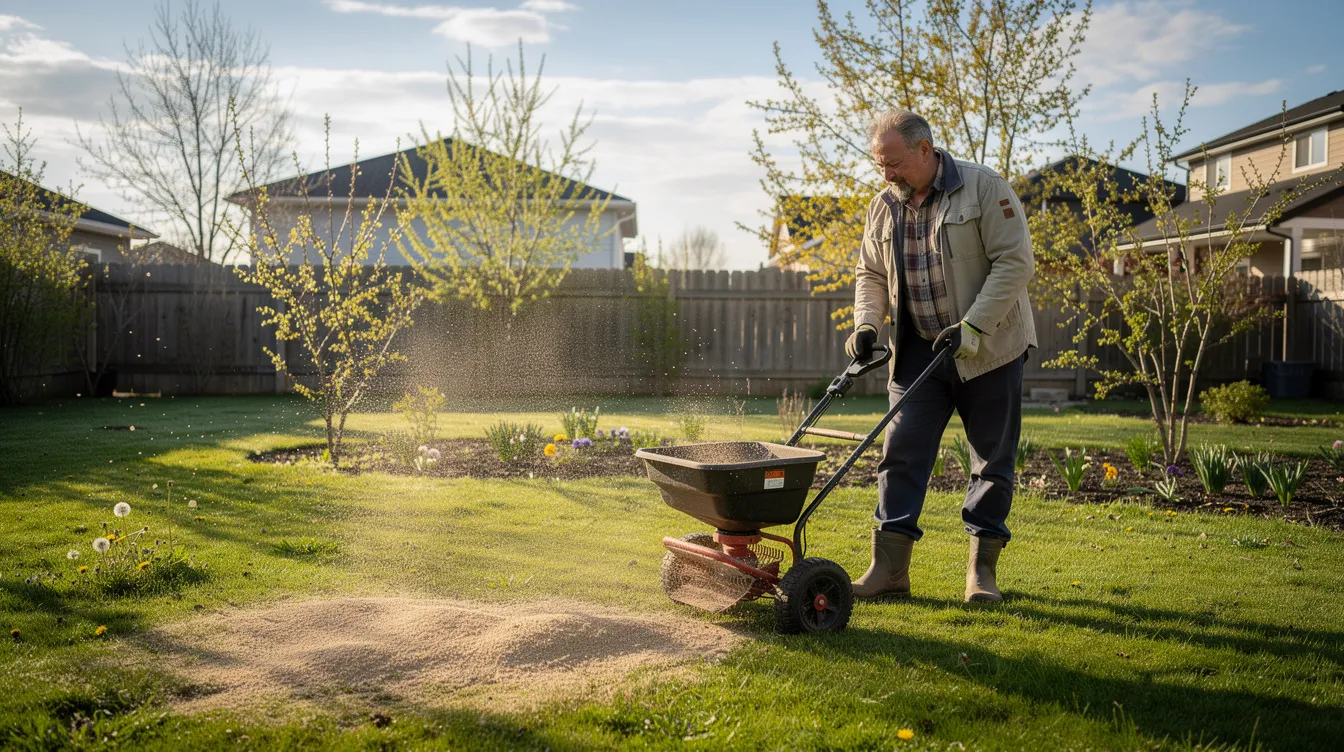
In most of the UK, the ideal time to fertilize lawns is early to mid-spring, typically from late March to late April, when the soil temperature reaches around 12°C (55°F). Applying nitrogen-rich fertilizer when soil temperatures consistently reach 12°C (55°F) is effective for spring lawn feeding.
Feed your lawn when the soil temperature consistently reaches 13°C (55°F) and the grass begins active growth. A practical sign is that the lawn needs mowing every 7–10 days; avoid fertilizing too early in the year, before active growth begins.
Southern England may be ready from late march, while northern England, Scotland, and cooler coastal gardens may wait until mid spring or late spring. Granular, high-nitrogen fertilizers should be applied between March and May when the grass is actively growing and the weather warms.
Avoid feeding during frost, waterlogged soil, or drought. Cold, dry weather wastes product and can stress roots, while saturated soil increases runoff. The RHS spring and summer lawn care guidance also recommends feeding only once growth is underway.
For established lawns, one main slow release fertiliser application is usually enough for 8–12 weeks. A typical calendar is:
|
Time |
Job |
|---|---|
|
Early April |
Main spring lawn feed |
|
Late June |
Optional light summer top-up |
|
Late September |
Autumn feed for winter strength |
Choosing the Right Spring Lawn Fertiliser
Seasonal lawn feeds are designed to meet the lawn’s specific needs at different times of the year. Spring and summer feeds are high in nitrogen to promote grass growth and leaf growth, while autumn feeds are high in potassium and phosphates to prepare the grass for winter.
Look for a spring/summer fertilizer formulation with a high-nitrogen content to encourage green leaf growth. Spring lawn feeds are typically high in nitrogen, which promotes strong leaf growth and prepares the lawn for the summer months.
Lawn fertilizers typically come in two main categories: organic and synthetic, each offering different benefits for lawn health. Organic feeds can support soil health and gradual nutrient release, while synthetic fertiliser often gives more predictable faster results.
Fertilizers can also be classified as slow-release or quick-release; slow-release options provide nutrients over 6-8 weeks, while quick-release fertilizers offer rapid impact but require careful application. Many premium slow release granular products last 8–12 weeks and give long lasting results.
A common spring lawn fertiliser might have an NPK close to 18-3-8, meaning high nitrogen with moderate phosphorus and potassium. Quick release feeds can turn grass green within days, but they are easier to overdo and may scorch grass blades if not watered in.
Granular lawn feed suits larger lawns and gives better even coverage. Liquid feed is useful for a small garden, small turf areas, or a quick fix, but it is easier to overuse. Weed and feed products combine fertiliser with selective weedkiller for lawn weeds during strong spring weed growth, but they must be used exactly as directed.
How to Feed Your Lawn in Spring (Step-by-Step)
Preparation and even application matter more than the exact brand. The best practices for lawn care cover everything needed for a vibrant, healthy lawn including proper feeding and mowing schedules.
Before applying lawn feed, test the soil for nutrient and pH levels before fertilization. This helps you choose the right nutrients rather than guessing.
Step 1: Assess and Prepare the Lawn
In early spring, check for pale colour, moss, bare patches, common problems, and lawn weeds such as clover or dandelion. Thin areas mean the lawn is allowing weeds to move in because the grass is not growing strongly.
If thatch or moss is visible, scarify lightly with a spring-tine rake a week or two before feeding. Aerate compacted areas with a garden fork or hollow-tine aerator, especially on clay soil or where puddles form.
Mow 2–3 days before applying fertiliser, leaving grass around 4–5 cm high. Remove heavy clippings so granules reach the soil instead of sitting on debris.
New turf or fresh seed needs gentler starter fertiliser, not strong spring summer feed too early. The aim is root development first, then steady top growth.
Step 2: Applying Granular or Liquid Lawn Feed
Use a lawn spreader to ensure even fertilizer coverage and avoid scorching the grass. Applying fertilizer evenly across the lawn is crucial to avoid uneven growth, and using a spreader is the simplest method to achieve this.
Set the spreader to the label rate, often 25–35 g/m², and test a small measured area first. For better even distribution, apply in two half-rate passes at right angles: north–south, then east–west.
For awkward corners, use a handheld spreader or weigh a small amount and cast carefully by hand while walking backwards. For liquid lawn feed, dilute exactly as stated and apply with a watering can or hose-end applicator.
Keep granules away from ponds, watercourses, plants, and flower borders. Sweep spills from hard surfaces such as patios and drives to avoid stains and runoff. Store fertiliser safely and keep children and pets off the lawn until granules have dissolved or been watered in.
If ordering product online, check the delivery time and next delivery time so the feed arrives during the right weather window.
Step 3: Watering and Aftercare
Most fertilizers need to be watered in after application to ensure nutrients penetrate the soil effectively, and it’s best to apply them just before a rain or to water them in yourself. The best moment is before 3–5 mm of gentle rain.
Water the lawn lightly after applying fertilizer to activate nutrients. If no rain is due, lightly water but avoid creating runoff.
Wait a few days after feeding before mowing again to avoid scalping the lawn. Ideally, avoid mowing for 4–7 days, then return to your normal mow routine and never remove more than one-third of leaf height.
Expect a richer green colour in 5–10 days and thicker growth over 3–4 weeks. Increased growth may mean heavier clippings for a short time, but finely chopped clippings can return nutrients to the soil.
Spring Feeding and Lawn Weeds: Working Together
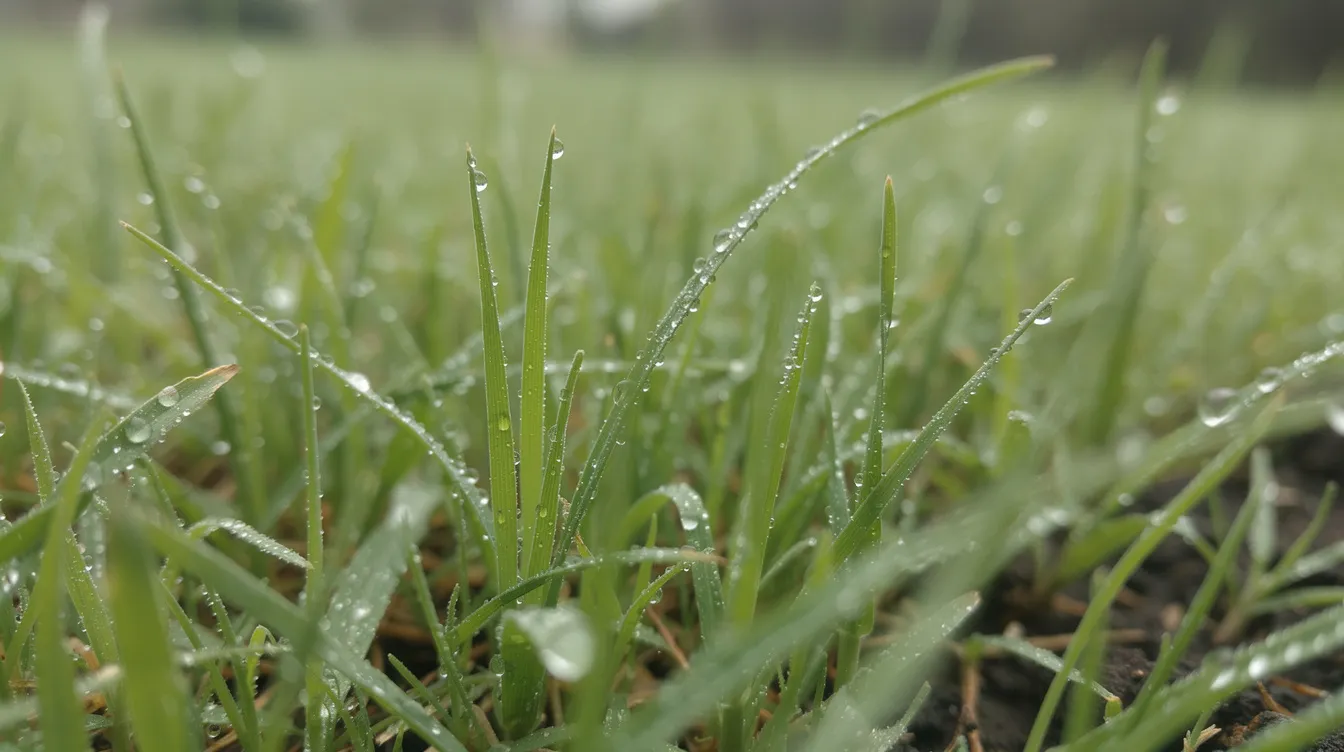
Strong, well-fed grass shades the soil, making it harder for lawn weeds and moss to establish. Fertiliser does not directly kill weeds, but feeding, mowing, aeration, and overseeding work together to reduce weed growth long-term.
Hand-weed isolated lawn weeds with a weeding knife, then overseed the gap so grass fills it instead of more weeds. Very mossy lawns need a staged approach: improve drainage and light, tackle moss, then feed and seed.
Weed and feed products can help from April to June when broadleaf weeds are actively growing. Avoid using them on newly seeded areas, and follow the label closely for safety, pests, and nearby wildlife.
Spring vs Autumn Lawn Feeds: Getting the Balance Right
Lawns benefit most from two key feeds: a growth-boosting spring feed and a root-strengthening autumn lawn feed. Spring summer products push leaf colour and density, while autumn products toughen grass for winter.
Spring and summer feeds are higher in nitrogen, with moderate phosphorus and potassium for general health. Autumn feeds are lower in nitrogen to avoid soft frost-prone growth, but higher in potassium and phosphates for roots, disease resistance, and winter preparation.
Using the same high-nitrogen product all year is a common mistake. It can create lush green top growth in autumn but weaker roots, more disease risk, and more moss through winter.
A simple matched plan is to use one brand’s spring/summer lawn fertiliser in April, a lighter feed in summer if needed, and its autumn feed in September.
Common Spring Feeding Mistakes to Avoid
Use this as a quick checklist:
-
Over-application: applying too much lawn feed can cause fertiliser burn, yellow or brown patches, weak roots, and disease.
-
Feeding too often: applying fertilizer too frequently can lead to over-fertilization, which may weaken the grass and make it more susceptible to disease and weeds.
-
Ignoring soil temperature: wait until growth is active rather than feeding frozen or dormant grass.
-
Skipping the spreader: uneven spreading causes stripes, patchy growth, and poor even growth.
-
Forgetting aftercare: water in the product and delay mowing for a few days.
-
Address problems quickly: if scorch appears, water deeply, avoid more feed, and repair bare patches with seed when the area recovers.
FAQ: Spring Feeding Lawn
Can I feed and overseed at the same time?
Yes, but only with a seed-safe fertiliser. Avoid weed and feed products on fresh seed because selective herbicides can stop young grass from establishing.
Is organic lawn feed suitable in spring?
Yes. Organic lawn feed is suitable for spring, especially if your goal is better soil health. It usually works more gradually than synthetic feed but supports steady healthy growth.
How do I know if my lawn needs feeding?
A lawn that looks pale, thin, slow to recover after mowing, or full of moss and weeds probably needs essential nutrients. A soil test gives the clearest answer.
What if I want faster results?
Use a carefully measured quick release product or liquid feed for faster results, but water it in and avoid applying during drought or hot sun.
Conclusion
Spring feeding lawn care is simple when you time it around warm soil, active growth, and suitable weather. Choose the right spring lawn feeds, apply them evenly, water them in, and follow with sensible mowing.
If your aim is a healthy lawn in good shape for summer, recommend applying one measured spring feed, then reviewing colour and growth before adding anything else.


