


Key Takeways
-
The best times to sow grass seed in the UK are spring, from March to May, and early autumn, from September to mid-October, when soil temperatures are warm and moisture levels are adequate.
-
Successful lawn seeding requires thorough soil preparation, even distribution of high-quality seed, and consistent moisture.
-
Choosing the right seed mix is important, with hard-wearing blends suitable for high-traffic areas and fine fescue blends for shaded spots.
-
Overseeding an existing lawn can thicken the turf, repair bare patches, and crowd out weeds without starting again.
-
Device Authority’s GREENER system makes lawn care simpler with a prepare, feed, seed and boost process.
Introduction: Why Seeding Is the Smart Way to a Better Lawn
Seeding lawns is one of the most affordable ways to create a new lawn or improve a tired back lawn. Compared with buying and laying new turf, grass seed gives you several advantages: lower cost, more choice of seed type, and the ability to blend new seed into existing grass.
Most problems start with bare patches, moss, weeds, uneven colour, poor soil or heavy foot traffic. The fix is not luck. It is proper preparation, the right seed, careful sowing grass seed, and simple aftercare. This guide covers timing, ground preparation, seed choice, watering, mowing and how GREENER removes the guesswork.
When Is the Best Time to Sow Grass Seed in the UK?
Grass seed needs warmth and moisture, not scorching heat. The best seasons for sowing grass seed are early to mid-autumn or mid-spring when the soil is warm.
In the UK, aim for:
-
Spring: late March to late May
-
Early autumn: early September to mid-October
During spring and autumn, soil temperatures should ideally be above 10 degrees Celsius for optimal grass seed germination. Most grass seed will germinate when soil temperatures stay above 8 to 10°C, but the best time to overseed a lawn in the UK is during spring or autumn when soil temperatures are consistently above 13°C, supporting reliable germination.
Summer sowing can work if you water regularly, but dry weather conditions make failure more likely. Late autumn and winter are poor choices because lower temperatures slow or stop germination. In colder areas, sow earlier in September.
GREENER kits are designed around UK growing conditions, so the instructions match the season you are working in.
Choosing the Right Grass Seed for Your Lawn
Not all lawn seed is the same. Choosing the right grass seed mix is essential to complement existing lawn conditions, as different areas may benefit from different seed types.
Common UK grasses include:
-
Perennial ryegrass: quick to establish, durable and ideal for a hard wearing lawn.
-
Fescues: including creeping red, chewings and hard fescue, useful for shade, trees, dry ground and a finer grass blade.
-
Browntop bent: fine and dense, best for a top quality lawn where appearance matters more than wear.
For high-use lawns, a seed mix containing a high percentage of perennial ryegrass is recommended due to its durability and rapid establishment. Fescue-based seed mixes are suitable for shaded or drier areas, offering finer leaf texture and improved tolerance to lower light and moisture levels.
Use this as a simple guide:
|
Situation |
Best grass seed choice |
|---|---|
|
Children, pets, football |
Hard wearing lawn seed mix with turf-type perennial ryegrass |
|
Shade under trees or fences |
Fescue-rich seed mix |
|
Ornamental garden |
Fine fescue and bent blend |
|
Mixed family garden |
General blend with ryegrass and fescues |
Avoid agricultural ryegrass. It can grow coarse and clumpy. Cheap mixes may also contain weed seed, making long-term lawn care harder. GREENER LAUNCH grass seed uses premium, UK-appropriate turf-type varieties designed to establish quickly and blend into typical lawns.
Preparing the Ground: New Lawn vs Existing Lawn
Good soil preparation is essential for establishing a top-quality lawn that is level, dense, well-rooted, and weed-free. Preparation has three jobs: remove competition, improve soil structure, and create seed-to-soil contact.
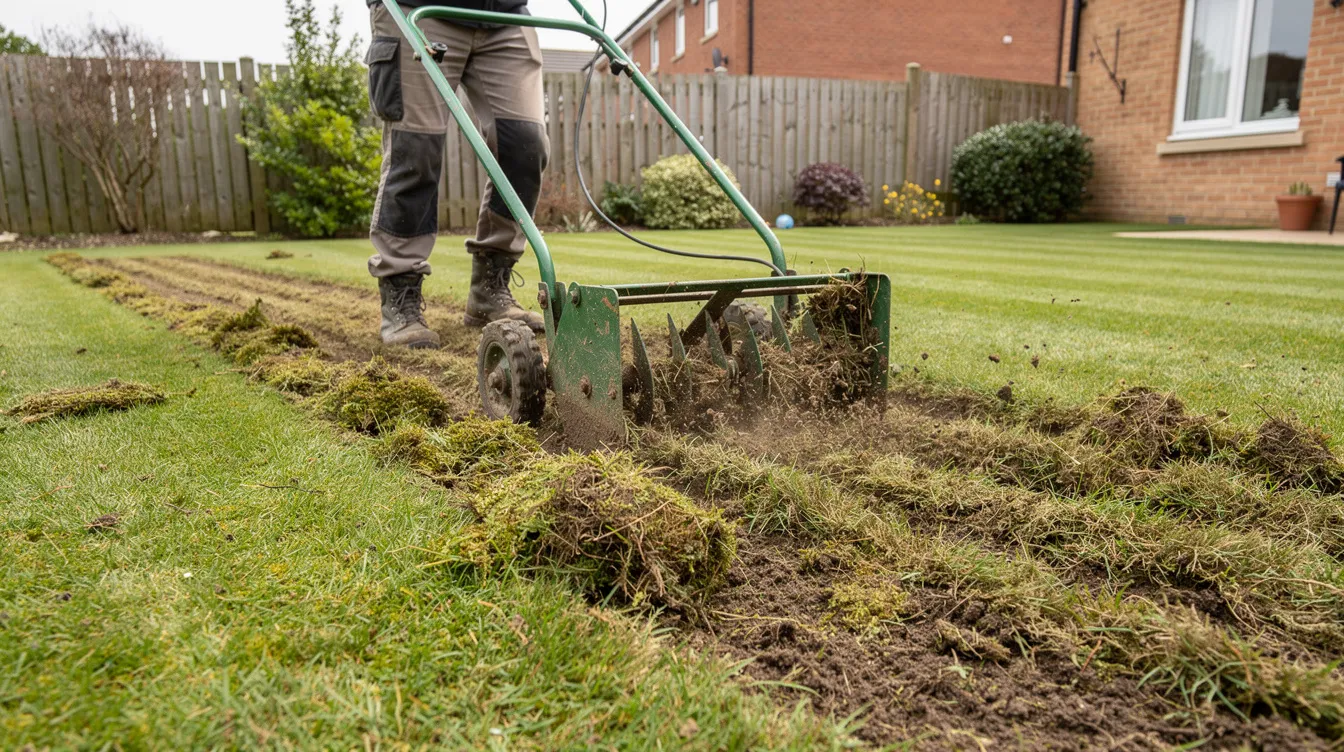
Before sowing grass seed, it is important to kill off any weeds and ensure the soil is well-tilled to create a suitable seed bed. Scarification and core aeration are effective methods for preparing the soil, as they help remove thatch and improve seed-to-soil contact, which is critical for successful germination.
GREENER’s prepare step, including POWER for moss and guidance on scarifying and aeration, fits naturally here.
Preparing Soil for a New Lawn from Seed
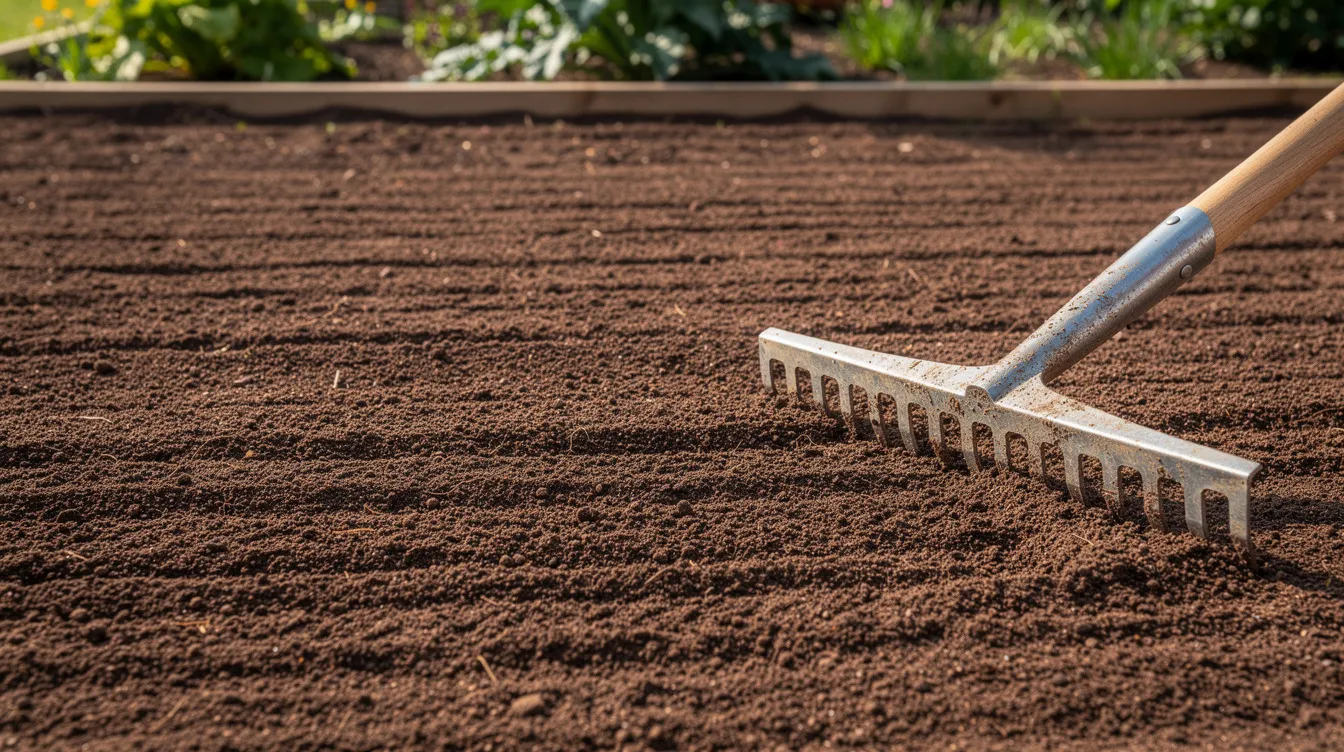
For a new lawn, start with bare soil. Soil preparation involves removing all rocks, roots, and perennial weeds, digging and leveling the soil, and firming the ground to create a seedbed.
Follow this sequence:
-
Clear old turf, rubble, roots, large stones and perennial weeds such as docks or dandelions.
-
If using weedkiller, wait as instructed on the label before sowing lawn seed.
-
Dig or rotovate the top 10 to 15 cm. Add garden compost, organic matter or another soil improver to sandy ground or clay soils to improve drainage and moisture retention.
-
Rake to a level surface, filling hollows and reducing high spots so the ground level falls gently away from buildings.
-
Firm by walking heel-to-toe, then rake again so the soil surface is fine and crumbly.
-
Remove remaining debris.
This extra day of work can save months of frustration later.
Preparing an Existing Lawn for Overseeding
Overseeding involves sowing grass seed directly into an established lawn to improve density, color, and resilience without starting over. Seeding an existing lawn can thicken the turf, repair bare patches, and crowd out weeds, with effective timing in early autumn or mid-spring.
Prepare like this:
-
Mow the existing lawn low, around 20 mm, and collect clippings.
-
Scarify with a spring-tine rake or machine.
-
Aerate compacted areas with a garden fork or hollow-tine aerator.
-
Rake away moss, thatch and dead plants.
-
Add a thin layer of screened topsoil, compost or lawn dressing where needed.
Scarification before overseeding improves seed-to-soil contact, which is critical for successful germination. Grass seed left on thatch or long grass blades rarely grows well.
How to Sow Grass Seed on a New Lawn
For a new lawn, most packs recommend 35 to 50 grams per square meter, or per square metre, depending on the lawn seed mix. Always follow the label.
Measure length × width, then weigh the seed. Split it into two halves. Sow the first half walking up and down, then the second batch side to side. These two passes help spread seed evenly. A spreader can save time on larger lawns.
Grass seed should sit in the top 6 mm of soil, not be buried deeply. Lightly rake the sown area, then firm it gently with a roller or by treading. Add a light layer of compost if birds are a problem.
Keep children, pets and garden furniture off the seed. Under favourable growing conditions, grass seed typically begins to germinate within 7 to 21 days under favorable conditions, which include warm soil temperatures and adequate moisture.
How to Overseed an Existing Lawn and Fill Bare Patches
Overseeding is ideal when the lawn is mostly alive but thin, patchy or uneven in colour. Use around 20 to 35 g per square metre, choosing the higher rate where soil is visible.
After mowing, scarifying and aerating, spread seed evenly by hand or spreader in two passes. Lightly rake so the seed drops into grooves and holes.
For bare patches:
-
Loosen the soil with a hand fork.
-
Remove dead grass and weeds.
-
Mix lawn seed with fine compost or screened soil.
-
Spread the mix to rebuild the patch.
-
Firm with the back of a rake and water gently.
A quality seed mix improves colour and density quickly. GREENER LAUNCH is designed to blend into typical UK lawns.
Watering, Mowing and Early Lawn Care After Seeding
The first weeks matter most. The seedbed must be kept constantly moist for the first 3 to 4 weeks after sowing, with the top 1 to 2 inches of soil remaining moist but not waterlogged.
In dry spells, water gently once or twice a day. Do not flood the soil, as heavy watering can move seed and create puddles. Once seedlings are a few centimetres tall, reduce watering frequency to encourage deeper root growth.
Do not mow until new grass reaches 5 to 7 cm. On the first cut, remove no more than one third of the grass blade length. Use a sharp mower blade on a high setting so seedlings are not pulled out by the roots.
A light pre seeding fertiliser, general purpose fertiliser or balanced lawn feed can help, but avoid overfeeding. GREENER GROWTH and BOOST are timed to support young grass through early growth without juggling separate products.

Using a Simple System: How GREENER Helps Remove the Guesswork
Most failed seeding lawns projects come down to missed steps: poor preparation, wrong timing, no feed or inconsistent watering.
Device Authority’s GREENER system follows four steps:
-
Prepare: tackle moss, thatch and compacted soil.
-
Feed: apply nutrients at the right time.
-
Seed: use LAUNCH, a premium grass seed for UK lawns.
-
Boost: support stronger root growth with BOOST biostimulant.
The Transformation Kit and Seasonal Care Kits cover up to 100 m², arrive with a step-by-step guide, and give you everything in one box. It is a simple way to grow grass without trial and error.
FAQ: Common Questions About Seeding Lawns
How long does it take for a newly seeded lawn to become usable?
Although germination can start in 7 to 21 days, a new lawn usually needs 8 to 12 weeks before normal family use. Wait until it has been mown 3 to 4 times and feels firm underfoot.
Can I seed a lawn where I already have a lot of moss and weeds?
Not successfully. Moss and weeds compete for light, space and nutrients. Remove moss, scarify, deal with major weeds, then sow. GREENER POWER and the prepare steps are designed for this stage.
Is it worth doing a soil test before I sow grass seed?
For most gardens, no full lab test is needed. A simple pH test helps if grass repeatedly fails, yellows despite feeding, or the garden soil is very chalky or peaty.
Can I mix different types of grass seed together myself?
You can, but over-mixing can create uneven colour and texture. A professionally blended lawn seed mix is usually easier and more reliable.
What should I do if my grass seed doesn’t germinate evenly?
Patchy germination is usually caused by dry soil, poor contact, birds or cold ground. Lightly rake, reseed thin areas, add a light topdressing, and keep the whole surface evenly moist.


