


Introduction to Lawn Care Products
The right products for lawn care can turn a thin, patchy garden into a dense, green lawn. In practice, that usually means choosing the right grass seed, applying the right lawn feed, and using specialist moss killer or weed killer only when the lawn actually needs them.
This guide focuses on concrete lawn care products widely used in 2026, not vague tips. We’ll cover lawn seed, lawn fertiliser, weed and moss control, soil improvers, tools, spreaders, and a simple lawn care calendar for year round maintenance.
Maintaining a healthy lawn requires a combination of feeding, weed control, and moss management. Using targeted fertilizers and iron-rich moss controls helps restore lawn health effectively, especially after winter damage, dry spells, pet wear, or heavy foot traffic.
Choosing the Right Grass Seed and Lawn Seed Mixes
Grass seed can mean a single grass variety, but lawn seed usually means a blend created for a specific purpose. Effective lawn care requires matching products to the specific grass type and issues being faced. Most lawns consist of a blend of grass types that require different treatments based on their characteristics.
The main types are:
-
Hard-wearing family mixes: often rich in Ryegrass. Hard-wearing family lawns typically use tough grasses like Ryegrass, which require regular feeding. These are suitable for children, pets, games, and regular mowing.
-
Fine ornamental mixes: usually based on fine fescues and bent grasses, sometimes with very fine ryegrass. Fine ornamental lawns are slow-growing and require careful, less aggressive feeding routines.
-
Shade-tolerant mixes: useful under trees, beside fences, or in north-facing gardens. When selecting grass seed, consider the sun and shade conditions of your lawn area, as some grass types perform better in full sun while others are more shade-tolerant.
-
Drought-tolerant blends: designed for dry conditions, sandy soil, or exposed sites where watering is limited.
Choosing the right grass seed depends on factors such as climate, soil type, and the intended use of the lawn, whether for aesthetics, recreation, or low maintenance. There are various types of grass seeds available, including cool-season grasses that thrive in northern climates and warm-season grasses suited for southern regions. In the UK, most lawn care products use cool-season species because they suit our spring, autumn, and wet winter pattern.
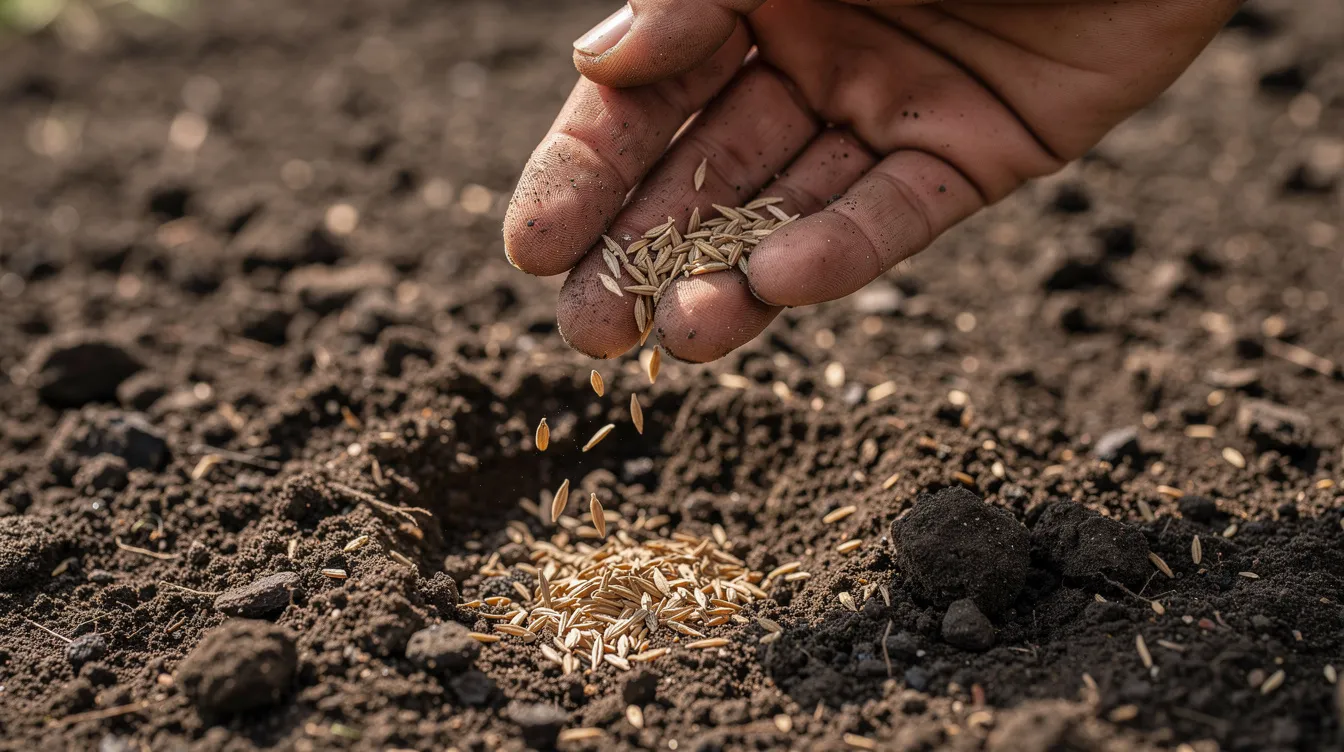
Read the bag before buying. Check coverage per kg, rate per square metre, germination time, and season. Many UK mixes germinate in 7–21 days: Ryegrass is often quickest, while fescues can take longer. For a new lawn, products often recommend roughly 35–50g per square metre; for overseeding an existing lawn, 25–35g per square metre is common.
The best time to sow grass seed is usually March to May or September to October. In early spring, wait until the soil is warming and frosty weather is less likely; late march can work in mild areas, but April is safer for many gardens. In autumn, the ground is still warm, rain is more reliable, and weeds are less aggressive.
For bare patches, use repair products that combine seed, feed, and moisture-holding coir or mulch. New grass seeds need steady watering, so use a fine sprinkler in dry weather rather than flooding the soil. Products such as miracle gro Patch Magic-style repair mixes are designed to help treat dog damage, light wear, and small gaps without buying separate seed and fertiliser.
Lawn Feed and Lawn Fertiliser Types
Lawn feed supplies nutrients that grass loses through mowing, rain, and growth. Nitrogen supports lush green leaf growth, phosphorus helps roots establish, and potassium improves stress, drought, frost, and disease resistance.
Spring and summer lawn fertiliser products are usually higher in nitrogen. A typical spring product might have an NPK close to 20-5-10 or 30-0-4. Apply granular fertiliser evenly with a spreader, not by throwing handfuls across the turf. Uneven feeding causes stripes, scorch, or weak areas that weeds can exploit.
Autumn and winter lawn feed is different. It should be low in nitrogen and higher in potassium, often around 3-5-12 or 4-0-14. The goal is not fast top growth but stronger roots and better resistance before cold, wet weather.
Liquid lawn feed is useful when you want quick colour before a summer party or family visit. Many liquid products are applied 3–5 days before you want the lawn to look greener, but they do not last as long as granular feeds. Use them only when rain is forecast or you can water them in.
Slow-release fertiliser is a good choice for established lawns because it can feed for 8–12 weeks, reducing the need for frequent applications. Natural fertiliser and other organic options improve soil fertility over time without risk of synthetic chemical buildup, although they may green up more slowly.
Follow label rates closely. Do not apply fertiliser to drought-stressed grass, in dry conditions without watering, or before heavy rain that may cause runoff. Keep pets and children off treated areas until granules have dissolved or liquid treatment has dried.
Weed Killer and Moss Killer for Lawns
Selective weed killer and moss killer are specialist lawn care products. They are not the same as general-purpose herbicides, which can kill grass, wild plants, flowers, and nearby plants in colourful borders if spray drifts.
Selective weedkiller is recommended to treat weeds without harming the grass, and it is important to follow the product instructions for best results. Lawn weed killer targets broadleaf weeds such as dandelion, plantain, buttercup, daisy, and clover while leaving grass intact. Apply when weeds are actively growing, typically April to September in mild weather.
Granular weed and feed treatments should be applied during the active growing season, from April to September. These are convenient, but they are still chemicals, so use the exact rate and avoid overlapping passes. Do not use lawn weed killer on newly sown areas until at least 2 months old, or after several mows.
Hand-weeding is an effective method of removing unwanted plants from lawns, especially if there are not too many weeds present. Hand weeding is also useful near ponds, edible crops, or wildlife areas where chemical security and drift control matter.
Moss often thrives in damp, poorly drained lawns, and spring is a good time to rake it out to promote grass growth in those areas. Ferrous sulphate-based moss control products usually blacken moss within days. After the moss turns black, use a rake or scarifier to remove it; otherwise, the dead material can leave bare patches and block new growth.
Combined “4-in-1” products feed the lawn, kill weeds, kill moss, and improve resistance in one application. A combined product is most useful in late spring or early autumn when the lawn is growing strongly enough to recover. Avoid using high-nitrogen combinations during dry spells or on stressed turf.
Before using any treatment, check the label around wildlife ponds, edible crops, pets, pests, and children. Do not mow for a few days before or after weed treatment, so weed leaves have enough surface area to absorb the active ingredient.
Soil Conditioners, Topdressings, and Lawn Repair Products
A healthy root zone is as important as the visible grass. If the soil is compacted, sour, too wet, or low in organic matter, even the best seed and lawn feed will only give short-term results.
Lawn topdressing mixes usually combine sand, loam, and compost. They are spread after aeration to improve drainage, fill shallow hollows, and create a fine surface for overseeding. Sandy dressings help wet clay lawns drain; compost-rich dressings help sandy lawns hold moisture and nutrients.
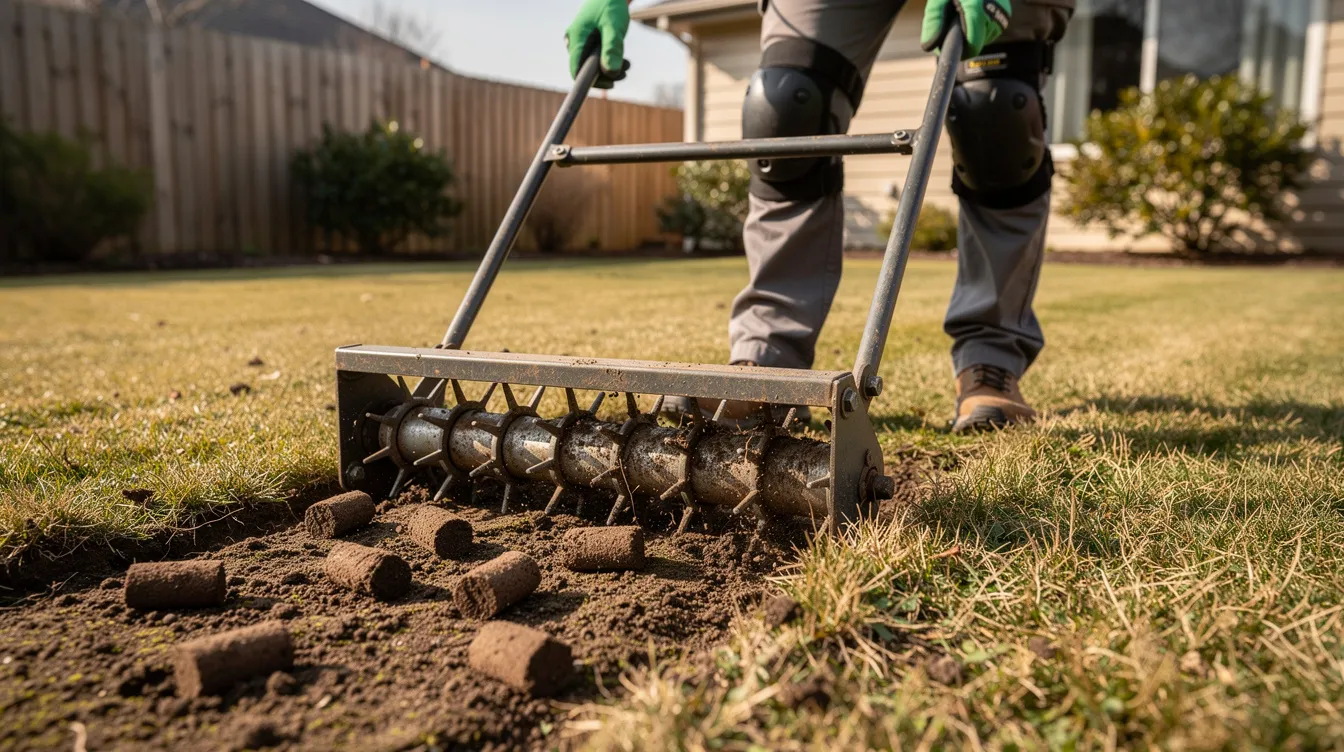
Regular mowing and foot traffic can compact the soil, starving roots of oxygen. Aeration tools create pathways for air, water, and fertilizers to reach deeper into the soil. This is why a balanced combination of fertilizers, weed controllers, and aeration tools is essential for maintaining a healthy lawn.
Patch repair products are useful for bare patches caused by dog urine, games, furniture, or heavy wear. Many include grass seed, starter feed, coir, mulch, or gypsum. The coir helps hold moisture around the seed, while feed supports early growth for the first few weeks.
Soil conditioners are more gradual. Gypsum may help improve heavy clay structure, while compost, biochar, and peat-free organic improvers support deeper roots and natural soil biology. Use these products in spring or early autumn when the grass is actively growing and can recover quickly.
Tools, Spreaders, and Application Equipment
Accurate application matters. The right tools make lawn care products safer, cheaper, and more effective.
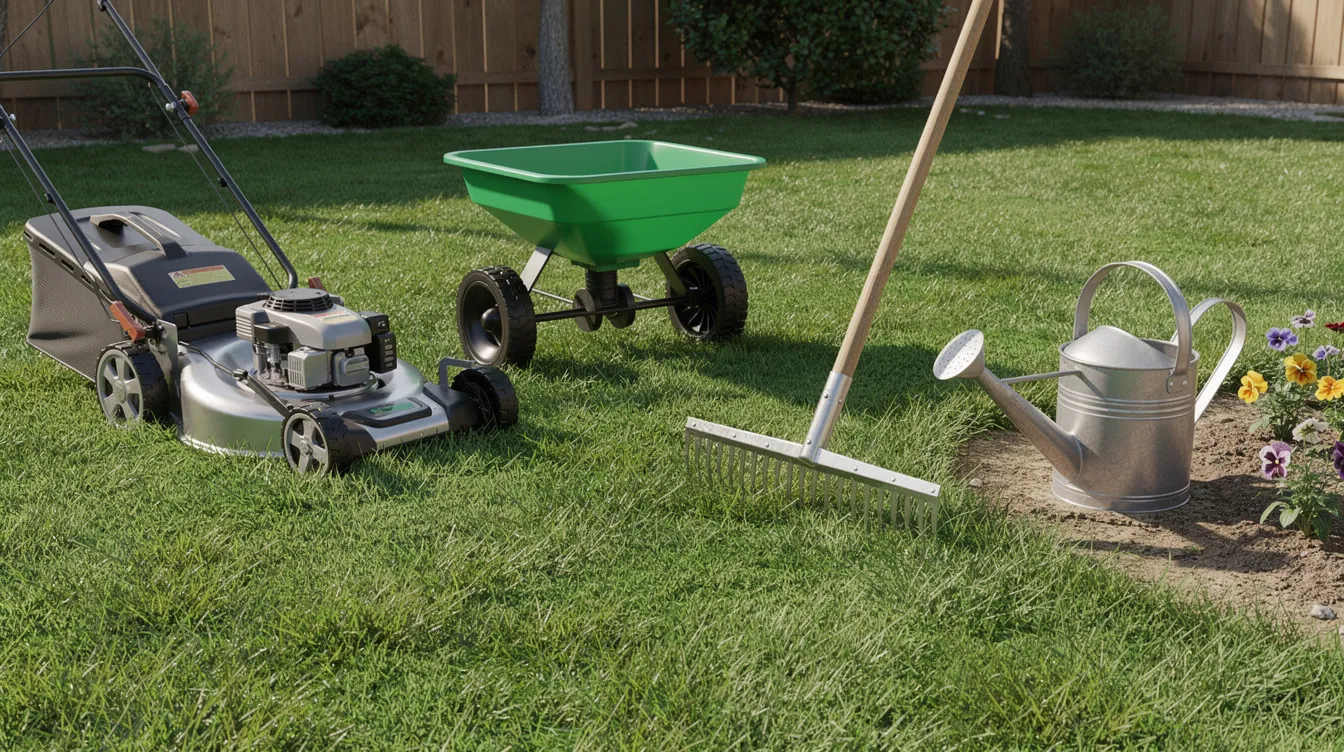
Hand-held spreaders suit small lawns, while wheeled rotary or drop spreaders are better for larger areas. Use the spread setting on the bag for grass seed and lawn fertiliser, then make a test pass over a measured area if you are unsure. This prevents over-application, scorch, weak coverage, and wasted product.
Basic aeration tools include a garden fork, spiked sandals, and hollow-tine aerators. Hollow-tine tools remove plugs of soil, which is better for compacted ground than simply making holes. After aeration, brush topdressing into the holes so water and nutrients move down to the roots.
Measure your lawn before buying products. A tape measure, measuring wheel, or online calculator helps estimate area in m². Almost every seed, fertiliser, moss killer, and weed killer label uses a square metre rate, so guessing can lead to poor results.
Clean tools after use. Rinse spreaders and sprayers, brush off dried fertiliser, sharpen mower blades, and store the mower somewhere dry. Winter is the best time to check spreaders, sprayers, and mowers so they are ready before the early spring rush.
Year-Round Lawn Care Calendar and Product Planner
A lawn care calendar helps you use the right product at the right time instead of reacting late. Here is a simple UK planner.
|
Season |
What to do |
Products to use |
|---|---|---|
|
December–February |
Avoid heavy walking on frosty weather grass. Remove fallen leaves. Service the mower, sharpen mower blades, clean spreaders, and plan purchases. |
No routine feed. Buy seed, lawn fertiliser, moss control, and repair products ready for spring. |
|
March–May |
Start maintenance as growth returns. Mow lightly, apply first spring feed, rake moss, and sow grass seed when soil is warm enough. |
Spring lawn feed, moss killer, selective weed killer, lawn seed, topdressing, sprinkler for watering. |
|
June–August |
Raise mowing height in dry weather. Feed lightly if rain is forecast. Avoid heavy fertiliser during drought or dry spells. |
Liquid lawn feed, slow-release summer feed, spot weed killer, repair seed only where watering is possible. |
|
September–November |
Repair summer wear, overseed, topdress, and prepare turf for winter. |
Autumn lawn feed, lawn seed for overseeding, soil conditioner, patch repair products, moss killer if needed. |
In spring, most lawns benefit from feeding once growth is steady. If moss is heavy, treat it first, wait for it to blacken, then rake it out. If weeds are the bigger issue, use selective weed killer while plants are actively growing.
In summer, the best advice is restraint. Mow little and often, never remove too much leaf at once, and avoid forcing growth during dry conditions. A light liquid feed can help achieve better colour, but only if the lawn has enough moisture.
In autumn, overseeding is often the most valuable job. The soil is warm, the weather is cooler, and seed has time to establish before winter. Repair bare patches, topdress low areas, and use autumn fertiliser to maintain strong roots rather than soft top growth.
Note: don’t worry about owning every product in the range. Start with the essentials: suitable lawn seed, seasonal lawn feed, selective weed killer, moss killer, a spreader, a rake, and one aeration tool. Used at the right time, these products for lawn care can help you maintain a healthy lawn without professional treatment.
Ready to restore your lawn properly?
The GREENER Transformation Kit gives you everything you need in one sequenced system — liquid iron to suppress moss, premium UK grass seed to fill the patches, granular fertiliser with mycorrhizal inoculant to build strong roots, and a liquid seaweed biostimulant to support recovery. Applied in under an hour. Visible results in 4 weeks.
28-Day Lawn Pledge — full refund if no visible improvement. No returns needed.


