


Key Takeaways
-
Summer lawn care is mainly regular mowing, smart watering, feeding, weed control and repairing lawn patches from heat, play and wear.
-
In dry spells, mow higher, water deeply, and avoid heavy raking or harsh treatment when the lawn is heat-stressed.
-
Late summer, especially August to September, is ideal for grass seed, fixing thin areas and preparing for autumn.
-
The GREENER system removes guesswork with a clear Prepare, Feed, Seed and Boost process for UK lawns.
-
Even a tired summer lawn with dead grass, moss or weeds can recover with the right timing, lawn food and care.
Introduction: Why Summer Lawn Care Matters
A lawn in summer works hard. The summer months bring family games, family bbqs, a paddling pool, garden furniture, foot traffic, sun, heat and sometimes long periods without rain. The result is often yellow grass, lawn weeds, bare lawn patches and tired-looking areas.
Good summer lawn treatment is not about chasing perfection. It is about protecting the grass plant through summer heat and helping it recover when the weather changes.
The easiest way to do this is to follow a system, not random products. That is exactly what GREENER approach is designed for: simple lawn care for UK homeowners who want a thicker, greener, healthy lawn without expert knowledge.
Summer Lawn Maintenance Basics (Mowing & Everyday Care)
Summer lawn maintenance starts with regular mowing. During the warmer months, grass growth accelerates, so mow at least once a week. In strong growth, mowing the lawn regularly or even twice a week keeps it tidy and helps prevent weeds from taking over.
For hardwearing family lawns, keep grass around 25–40 mm. Fine lawns can sit lower, around 10–15 mm, but they need more care. In hot weather or dry weather, set mower blades higher, around 5 cm or 2 inches, and allow grass to grow a bit longer than usual. This shades the soil, protects moisture and keeps the lawn healthy for longer.
Never cut more than one-third of the grass height at a time. Scalping weakens roots and stresses the lawn. If the grass is very brown during drought, do not mow. Let it rest, then mow again once rain returns and the lawn starts to recover.
Avoid heavy raking or dethatching during summer because it exposes the soil and causes it to dry out faster. Light edging with a half-moon iron or spade once a month is enough to keep your outdoor space neat.
Watering Your Lawn in Summer Without Wasting Effort
Established UK lawns usually survive dry conditions. According to the RHS lawn care guidance, brown grass in mid-summer is often dormant rather than dead and can green up again after regular rainfall.
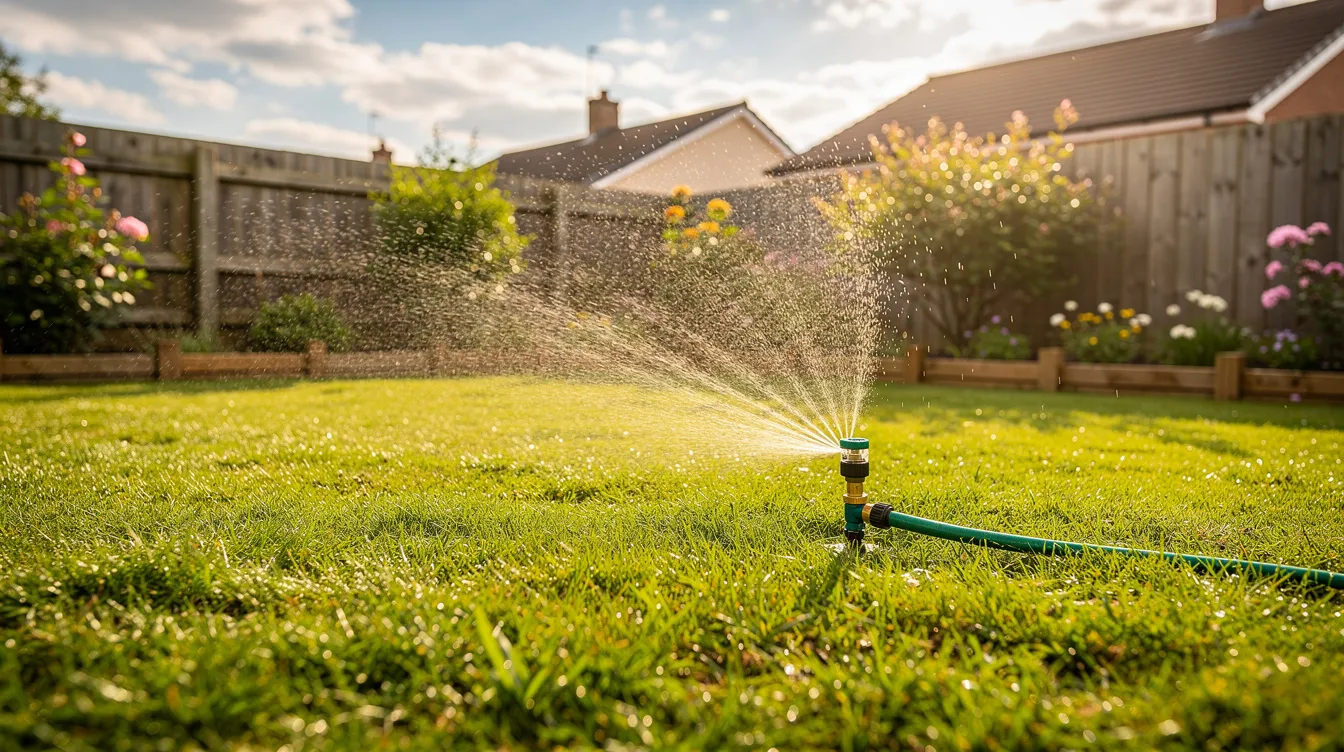
If you want a lush summer lawn that will stay greener summer long, use deep watering. During dry spells, water deeply once or twice a week rather than giving light sprinklings every day, as shallow watering can lead to weak root systems. In hot, dry weather, give your lawn a deep soak two to three times a week to encourage stronger root growth.
Watering should ideally be done early in the morning or late evening to minimise evaporation and allow moisture to soak into the ground. Early morning is best because it also helps reduce fungal disease risk.
As a guide, a sprinkler may need 20–30 minutes per area, depending on soil, hose pressure and weather. Collected rainwater or suitable grey water can make summer lawn care more efficient.
Feeding Your Lawn in Summer: Choosing the Right Lawn Food
Frequent mowing removes nutrients. During summer, grass can become nitrogen deficient, so the right lawn feed helps healthy growth, colour and recovery from summer heat and foot traffic.
|
Option |
Best for |
Notes |
|---|---|---|
|
Granular feed |
Season long nutrition |
A slow release fertiliser can feed for 12-16 weeks |
|
Liquid fertiliser |
Fast green-up |
Liquid lawn feeds can turn grass lush green in as little as 24 hours |
|
Soluble feeds |
Short period boost |
Useful before gatherings, but apply carefully |
Apply a spring or summer granular fertiliser in late May or June when soil has moisture. Do not apply granular feed to bone-dry soil. Water it in if no rain is expected within 24 hours.
A light liquid feed in July or August can help before family bbqs or when the lawn looks tired. Avoid feeding in the hottest part of the day. GREENER Feed stage uses GROWTH fertiliser, seasonally adjusted for UK conditions, so you do not have to guess which lawn food to use.
Dealing with Lawn Weeds and Moss in Summer
Lawn weeds become more visible in summer because stressed grass leaves space for weed growth. Dandelions, clover and plantain compete with your lawn for water and nutrients. Weeds and moss compete with your lawn for water and nutrients, especially during dry conditions, making their control essential for maintaining a healthy lawn.
To maintain a healthy lawn, weeds should be treated individually as they appear instead of applying heavy chemical weed killers when the lawn is heat-stressed. Pull larger weeds with a hand fork or weed puller, especially where children and pets play.
To manage weeds specifically, use a lawn weedkiller formulated to target lawn weeds without harming the grass. A quick application of a summer lawn treatment can effectively eliminate weeds and moss, with visible results typically seen within a week when used correctly.
Moss usually points to shade, weak grass, compaction or poor drainage. An iron-rich moss killer such as GREENER POWER can darken moss and improve colour where appropriate. Dense grass is still the best long-term weed control because it leaves less bare soil and helps prevent weeds.
Repairing Lawn Patches and Bare Areas in Summer
Summer damage is common. Dogs, football, trampolines and paddling pool use can leave dead grass or bald spots. If your lawn develops patches of dead grass or bald spots, re-seeding these areas can help restore its appearance, even during summer, provided you water diligently.
For small repairs:
-
Remove debris and dead grass.
-
Loosen compacted soil. Aeration of compacted areas allows oxygen, water, and nutrients to penetrate deeply into the soil.
-
Add a thin layer of fine topsoil.
-
Scatter suitable grass seed.
-
Rake lightly, firm down and keep moist.
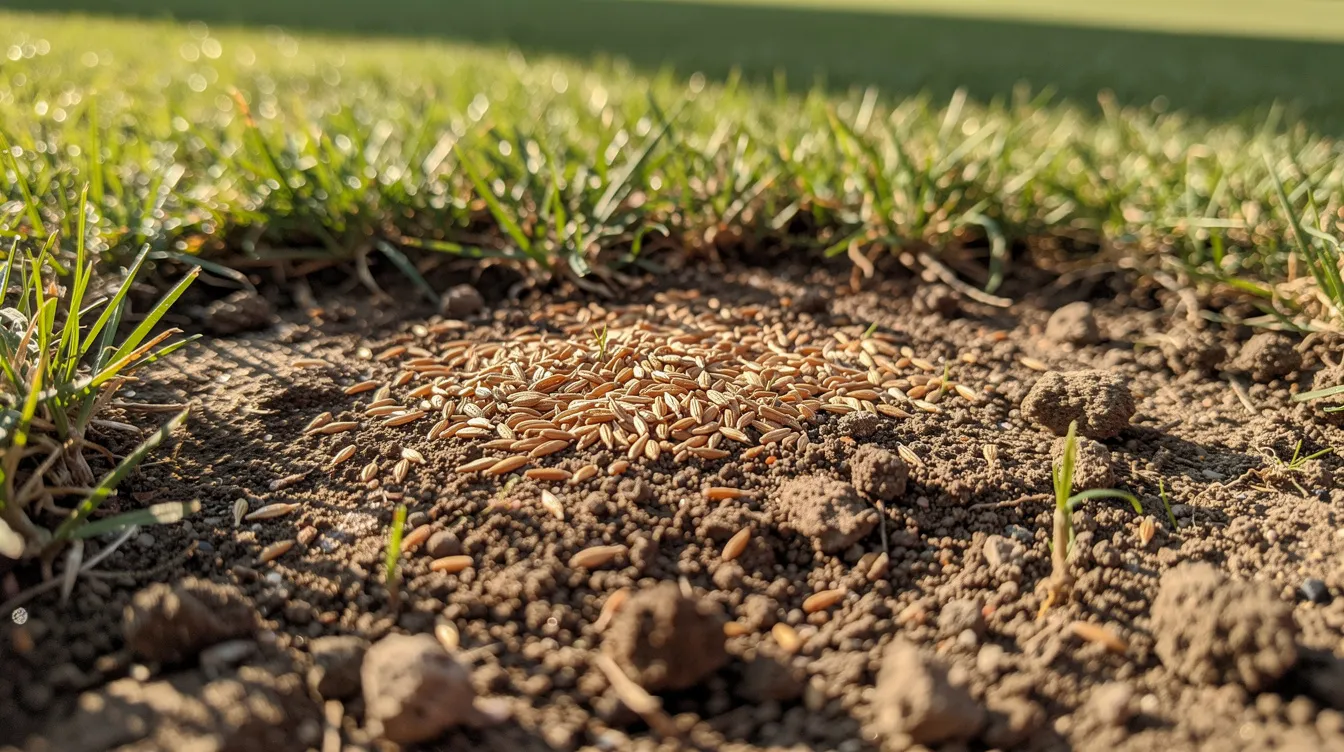
The best times for grass seed are spring and early autumn, but careful summer repair works if you water daily until germination. When repairing your lawn, using a durable lawn repair product can be effective, as these products are designed to grow in various conditions and can help restore damaged areas.
Avoid walking on newly repaired areas until the grass has established properly. GREENER LAUNCH grass seed and BOOST biostimulant support faster, thicker regrowth on summer lawn patches with minimal guesswork.
Late Summer Lawn Care: Preparing for Autumn Recovery
Late summer lawn care is the turning point. Late August to September is when focus shifts from surviving heat to rebuilding the lawn healthy for autumn.
As temperatures drop, mow slightly lower again, but do not cut too close. Apply a late summer lawn feed to support roots and healthy growth. Rake out light debris, but avoid harsh scarifying until conditions are kinder.
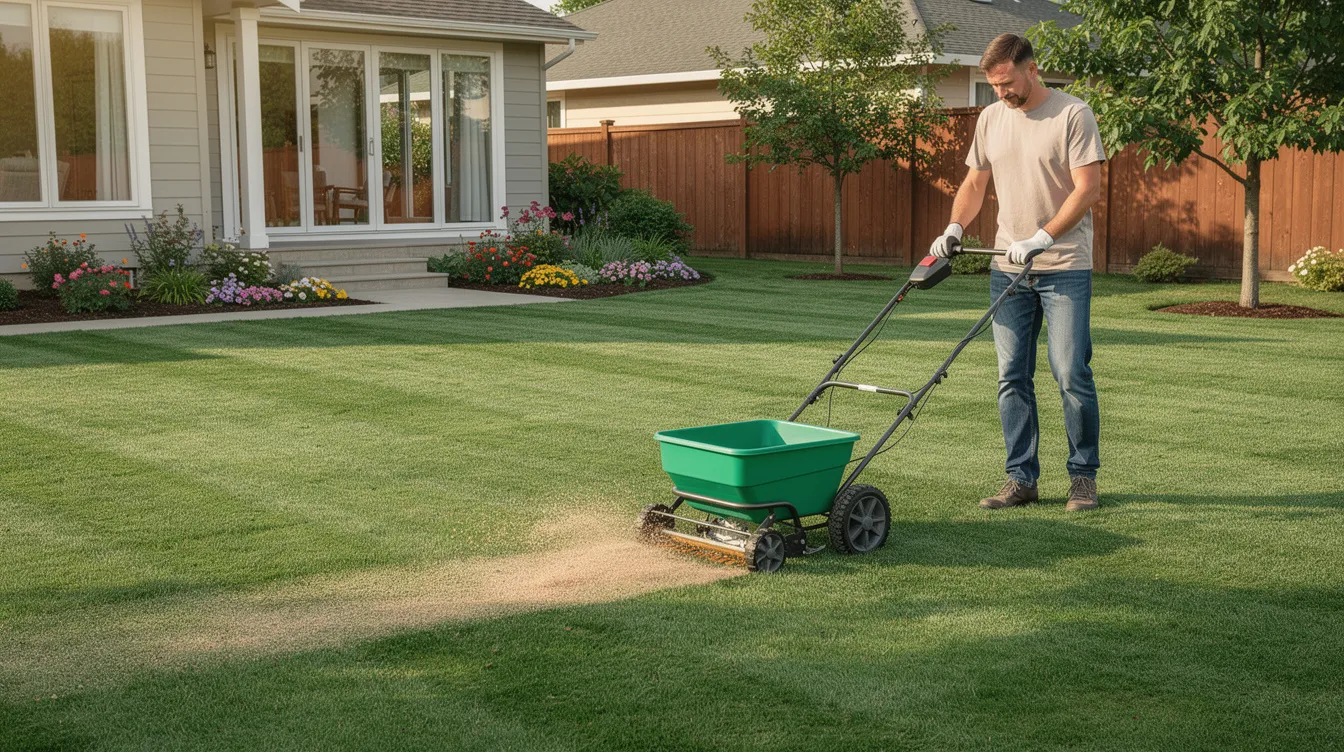
Late summer is also the ideal time to overseed thin areas. New grass has warm soil, more reliable rain and time to establish before winter. This reduces weeds and moss the following year.
GREENER System: No-Guesswork Summer Lawn Care
Most lawns struggle because there is no clear process, not because homeowners do not care. Random seed, fertiliser and treatment often give random results.
The GREENER system helps keep it simple:
-
Prepare: reduce moss, thatch and weak areas.
-
Feed: give the lawn nutrients at the right time.
-
Seed: add strong UK-suitable grass seed.
-
Boost: support stronger root growth and faster establishment.
The GREENER Transformation Kit includes grass seed, seasonally tuned fertiliser, iron treatment and BOOST biostimulant. It covers up to 100 m², can be applied in under an hour, and includes step-by-step instructions.
Seasonal Care Kits arrive at the right time of year, removing guesswork around summer treatment, late summer lawn care and autumn recovery. If you want professional-level structure without regular service visits, explore GREENER kits.
FAQ: Summer Lawn Treatment & Care
How often should I mow my lawn in summer in the UK?
Most family lawns need mowing once or twice a week from June to August. Follow the one-third rule and keep hardwearing lawns around 25–40 mm. In very dry periods, mow less often and keep grass longer.
Is it worth watering an established lawn during a hot summer?
Yes, if you want a green, usable lawn for entertaining or children’s play. Established lawns can survive without watering, but deep watering once or twice a week during prolonged dry spells helps turf become more drought-resistant.
Can I use lawn feed on my grass if the weather is very hot?
Only if the soil is slightly moist. Avoid feeding bone-dry grass. Apply granular lawn food in cooler conditions and water it in. Liquid fertiliser can work fast, but avoid the hottest part of the day.
When is the best time to repair bare lawn patches with grass seed?
The best windows are mid-April to late May and late August to late September. Summer seeding can work on small areas if you keep the soil moist until the seed germinates.
Do I need a professional lawn service for summer lawn care?
Not usually. Mowing, feeding, light weeding and small repairs are manageable for most homeowners. GREENER gives you the structure and products of a planned lawn care system, delivered to your door.


