


Nobody wants a lawn that looks like it’s been through a battle. Those bare spots, thinning grass, and areas of patchy grass can make your whole outdoor space feel neglected. The good news? To fix patchy grass, the process is simpler than most people think, and with the right approach, you can see real results in just a few weeks.
Start with the diagnosis: If you are not yet sure why the damage has appeared, use our complete guide to repairing patchy grass before choosing a treatment.
This guide covers everything UK homeowners need to know—from quick fixes you can do this weekend to preventing patches from coming back.
Quick answer: how to fix a patchy lawn fast
Before diving into the detail, here’s the “do this now” version. In the UK, your main window for fast lawn repair runs from April to October, with early spring being an ideal time to start fixing a patchy lawn or establishing a new lawn. The best results appear within 2–4 weeks during mild weather.
Your weekend action plan:
-
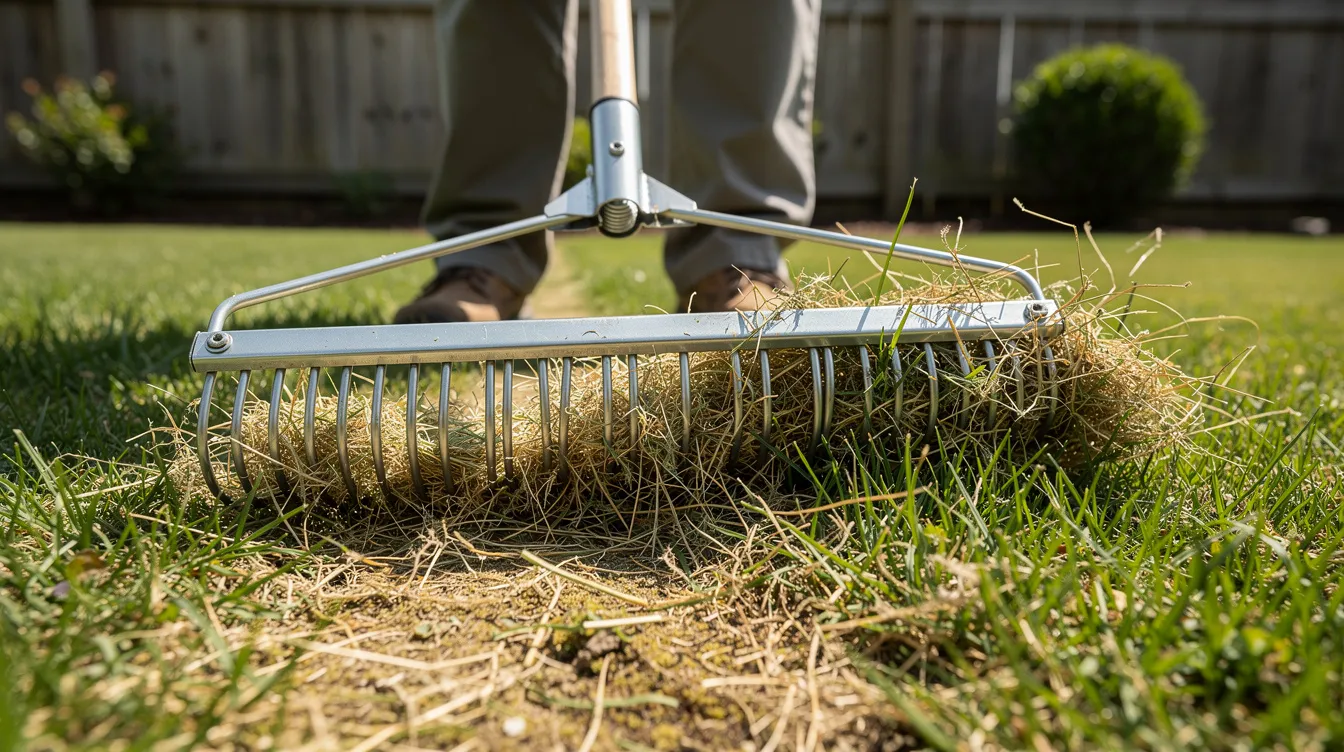
Rake out dead grass and moss from each patch. Effective methods to repair lawn patches include removing dead material and improving soil contact for new seeds.
-
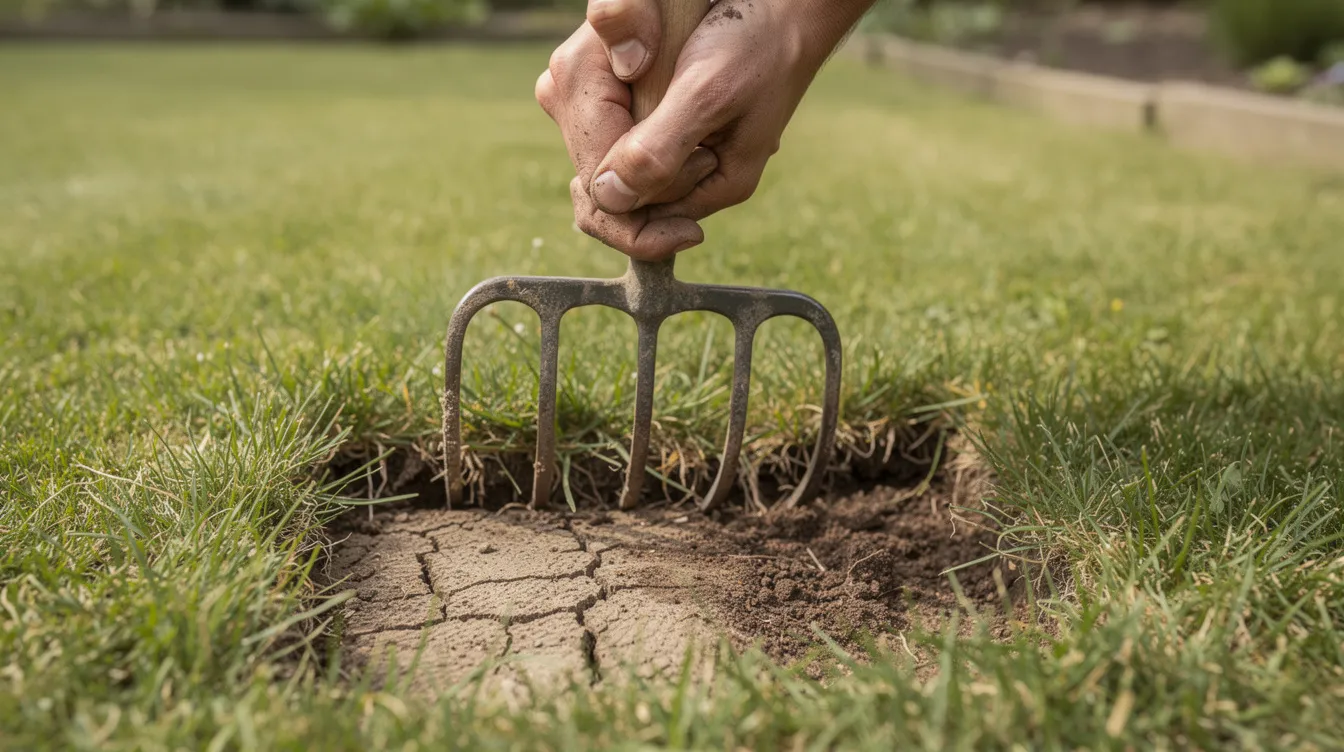
Loosen the top 2–3 cm of soil with a hand fork
-
Add a thin layer of fresh lawn topsoil
-
Sow a UK-appropriate lawn seed (perennial ryegrass mix for sunny areas, fescue mix for shade) to match your existing lawn
-
Lightly cover with compost or topsoil and firm gently
-
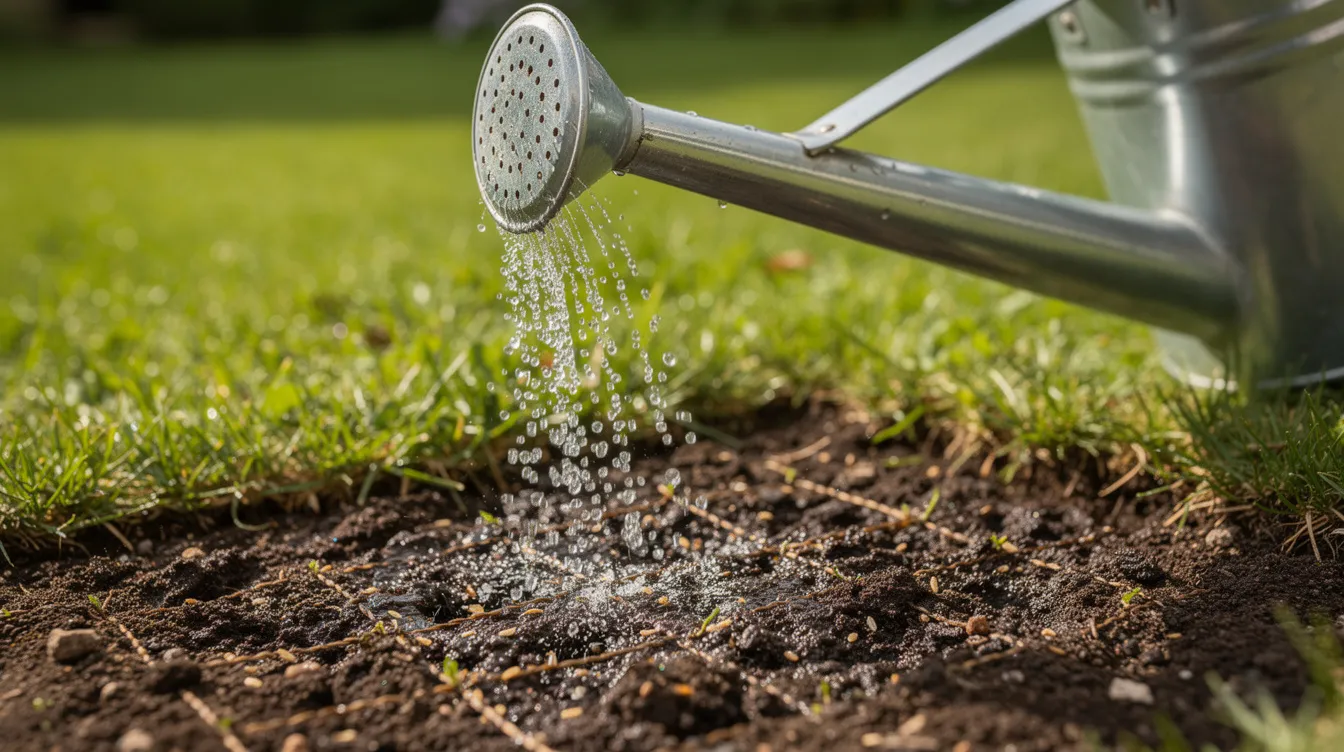
Water little and often to keep soil moist—not soaked—for 2–3 weeks. For new patches, moisture management is essential: keep the soil damp but not waterlogged during the first stages of growth.
For the quickest, most reliable results without the guesswork, the GREENER Transformation Kit bundles everything you need with clear instructions tailored to UK seasons.
Consistent watering is crucial for newly seeded areas—water daily (or twice daily in hot weather) for at least 7–14 days until the grass is established. These steps can also be used to establish a new lawn if needed.
Why your lawn is patchy in the first place
Fixing bare patches is faster when you know what caused them. Otherwise, they’ll likely return within a few months. Patchy grass and lawn patches are common symptoms of underlying issues that need to be addressed for a healthy, uniform lawn.
Heavy foot traffic is one of the biggest culprits. Think goalmouths where the kids play, the route to your washing line, or the path to the garden shed. Compacted soil from 500+ passes can cause 70% grass loss on clay soils.
Dog urine creates those familiar yellow-brown circles with bare spots in the centre. The high nitrogen content essentially burns the grass roots. This affects roughly one in three UK gardens with dogs.
Shade and tree roots steal both light and moisture. Under a mature oak, grass might receive 50–70% less sunlight while tree roots compete for water and essential nutrients.
Compacted soil is especially common on new-build gardens where builders’ rubble sits under thin topsoil. If you’ve moved into a post-2015 estate in clay-heavy areas like London or Essex, this is worth investigating.
Drought and hosepipe bans cause summer die-back. The 2022 heatwave killed 20–30% of turf cover across the UK. Overcutting (mowing below 4 cm) scalps the grass and delays recovery dramatically.
Moss and weeds thrive in damp, poorly drained spots—particularly common in north-facing gardens across Manchester and Glasgow where annual rainfall exceeds 1,200mm.
Pest infestations such as chafer grubs or leatherjackets can damage grass roots, resulting in visible lawn patches and deterioration.
Lawn diseases like Red Thread and Fusarium Patch can weaken and discolor grass, leading to patchy areas in the lawn.
When is the best time to fix a patchy lawn in the UK?
Timing can speed things up dramatically. Grass seed needs soil temperatures above 8–10°C to germinate properly.
Early spring (late March to late May) offers warming soils (typically 10–18°C) and regular spring showers, making it a key period for reseeding and fertilizing. You’ll see the first green haze of seedlings in 7–14 days, with usable coverage by 4–6 weeks.
Early September to mid-October is arguably even better. The soil holds warmth from summer (12–15°C), autumn rain reduces watering chores, and there’s less weed competition. Trials show 20% denser establishment compared to spring.
High summer (June–August) works but demands more care. Seed germinates faster in the warmth, but you’ll need to water 2–3 times daily during hot spells—tricky if there’s a hosepipe ban.
Winter (November–February) isn’t realistic for fast results. Growth almost stops below 5°C soil temperature, extending timelines to 8–12 weeks minimum.
During the growing season, regular fertilization every 6 to 8 weeks is essential to support robust grass growth and maintain a healthy lawn.
Set realistic expectations: first visible sprouts in 7–14 days during mild weather, mowable grass by week 4, and a fully blended patch by week 6.
Step-by-step: how to repair bare and thin patches with seed
This is the main method most UK homeowners can complete in an afternoon. Each step matters—skip one, and you’ll slow your results by weeks. If you want to fix patchy grass and restore your lawn quickly, following this step-by-step process is essential. Proper soil preparation—including removing debris, aerating the soil, and ensuring good seed-to-soil contact—is crucial for successful lawn repair and faster, healthier grass growth.
1. Clear the patch properly
Good seed-to-soil contact is essential for seed germination. Dead material, moss, and thatch block this contact and trap moisture that can rot seeds. Preparing the patch also means assessing and improving soil conditions to support optimal grass growth.
Use a spring-tine rake or hand rake to pull out dead grass, moss, and debris. Cut back loose edges of existing turf with a half moon edging iron or spade to create neat, defined patch boundaries. On newer UK estates, check for stones, bricks, and builder’s rubble hiding just below the surface. Loosen the top 2-3 inches of soil in the patch to ensure good seed-to-soil contact, which is crucial for successful grass establishment.
Tip: Aim for a bare, clean soil surface over each patch—roughly A4 size or larger works better than lots of tiny holes. Be careful not to tear up healthy grass growth around the edges.
2. Loosen and improve the soil
Compacted soil is a major reason repairs fail. When soil is compressed, grass roots can’t penetrate deeply, and water sits on the surface instead of soaking in. Compacted soil also restricts air and nutrient flow to the roots, making aeration a necessary step before seeding to enhance overall lawn health and nutrient absorption.
Use a hand fork to break up compacted areas to a depth of about 5–7 cm. Aeration improves soil structure by allowing better air, water, and nutrient penetration to the roots, which is essential for healthy grass growth and optimal nutrient absorption. If your soil is heavy clay (common across the Midlands and South East), mix in some sharp sand and organic matter to improve drainage. Sandy soils benefit from compost or bagged lawn topsoil to help retain moisture.
Finish with the soil slightly raised above the surrounding lawn to allow for settling. The difference is dramatic—compare a compacted path area (where you can barely push a fork in) to a flowerbed, and you’ll understand why loosening matters for nutrient penetration and overall lawn vitality.
3. Choose the right grass seed for fast results
Grass seeds are broadly categorized into two types: cool-season grasses and warm-season grasses. Cool-season grasses, such as Kentucky Bluegrass, Fescue, and Ryegrass, thrive in regions with cold winters and mild summers, making them ideal for UK lawns due to their high frost tolerance and dense growth pattern. Warm-season grasses, including Bermuda, Zoysia, and St. Augustine, require warm temperatures and abundant sunlight, so they are best suited for southern climates where they exhibit vigorous summer growth. Selecting the right seed species is critical for fast results when fixing a patchy lawn.
Perennial ryegrass mixes are one of the fastest-growing grass types for temperate climates, germinating in 7–10 days and creating tough, wear-resistant turf. These are ideal for family lawns, sunny spots, and areas with heavy foot traffic.
Fescue or shade mixes have finer blades and take 14–21 days to establish, but they perform far better under trees and in north-facing shaded areas.
When reseeding, it's important to choose a grass seed variety that closely matches your existing lawn for a uniform appearance once the new grass establishes. Match “multi-purpose” or “family lawn” seed mix to your existing lawn type. Avoid cheap unknown “general grass seed” bags from bargain shops—they often germinate unevenly and contain too many annual grasses.
Check the sowing rate on your seed packet (typically 30–35 g/m²). Don’t oversow thinking more is better—crowding actually slows establishment and promotes disease.
4. Sow the seed and cover it lightly
Scatter new grass seed by hand in two directions—left to right, then up and down—to achieve even coverage. You want seed just covering the soil surface, not piled in clumps.
Sprinkle 0.5–1 cm of fine compost or lawn topsoil over the seeded areas so most seed is just hidden. This protects against birds and helps retain moisture.
Gently firm the area with the back of a rake or by light foot-tamping on a small board. This presses newly sown grass into contact with soil, which is crucial for water uptake.
If birds are a problem, lay very light garden fleece over the patch for a fortnight. Just ensure you’re not blocking all light—ventilate or lift daily in warm weather.
5. Water correctly for fast germination
The “little and often” rule applies for the first 2–3 weeks. Your goal is to keep the top layer consistently moist without creating waterlogged conditions that rot seed. After sowing grass seed, regular watering is essential to keep the soil consistently moist but not soggy, especially during the first few weeks to support germination and establishment. Regular watering during this period also helps promote deep root growth, making your lawn more resilient in the long term.
Use a fine rose on a watering can or a gentle sprinkler setting. In typical spring or autumn UK weather, water gently once a day if it hasn’t rained. During hot spells, increase to 2–3 light waterings.
Water regularly in early morning or late evening to reduce evaporation—this is especially important in July and August.
Realistic growth milestones:
-
Days 2–4: Seeds swell visibly
-
Days 7–14: First green sprouts appear
-
Weeks 3–4: Grass reaches 5–7 cm, ready for first very light mow
Fast repair with turf: when returfing patches is better
New turf gives instant cover and works brilliantly for high-visibility spots or when you’re selling your home soon. Laying new turf is also a recommended method for establishing a new lawn, providing immediate visual improvement in bare or damaged areas compared to sowing grass seed, which may take longer to establish. For patching a lawn, you can either sow grass seed or use turf from another part of the lawn—turf offers instant results, while seed is a slower solution. All-in-One Patch Kits, which contain seed, fertilizer, and mulch (such as coir), can also be used and often show visible results in just 4–7 days.
Turf vs seed comparison:
|
Factor |
Turf |
Seed |
|---|---|---|
|
Immediate appearance |
Green from day one |
Takes 2–4 weeks |
|
Cost |
£5–10 per m² |
£0.50–2 per m² |
|
Light traffic ready |
~2 weeks |
4–6 weeks |
|
Best for |
Small patches, high-traffic areas |
Larger areas, budget repairs |
Key steps for patch turfing:
-
Cut out the damaged area to a neat rectangle
-
Prepare and level soil 3–4 cm below surrounding lawn
-
Lay matching new turf from a reputable supplier and butt edges tightly
-
Firm with a board, then water consistently for 10–14 days
If you’re creating a new border elsewhere in your garden, save the spare turf to repair goalmouths or pet-damaged corners—perfect colour match guaranteed.
Dealing with common problem patches (dogs, shade, heavy use)
Not all patchy areas are equal. Addressing the underlying cause prevents them reappearing in a few months.
Dog damage happens because urine contains 2–4% nitrogen, which burns grass through salt scorch. The telltale sign is patchy grass with brown centres and green edges where diluted nitrogen actually fertilises the grass. Rotate your dog’s toilet areas if possible, and dilute fresh urine spots with a watering can immediately. When repairing these areas, proper soil preparation is crucial: remove debris, aerate the soil, test pH levels, and add nutrients to create optimal conditions for grass growth. Reseed with a tougher ryegrass mix that tolerates higher nitrogen levels.
Shady corners under fences or trees may never hold a perfect lawn. Patchy grass often appears here due to insufficient sunlight. Use shade-tolerant fescue seed and mow at a slightly higher setting (5 cm+) to give grass more leaf area for photosynthesis. Before reseeding, prepare the soil by removing debris, aerating, testing pH, and adding nutrients. For extreme shade where grass repeatedly fails, consider bark mulch, gravel, or shade-loving plants instead of fighting a losing battle.
High-traffic routes benefit from structural solutions. Patchy grass is common where people always walk the same path. Consider stepping stones or pavers to redirect foot traffic away from grass. For remaining lawn areas, use harder-wearing seed mixes and aerate that strip each spring with a garden fork to relieve soil compaction. Proper soil preparation—removing debris, aerating, testing pH, and adding nutrients—will help these areas recover faster.
How to keep new patches looking good (and stop more appearing)
Once you’ve fixed bare areas, a few simple habits and regular maintenance keep your lawn thick and prevent thinning patches from returning. Caring for your lawn regularly—through mowing, feeding, watering, and aeration—ensures its ongoing health and resilience.
Mowing: Follow the one-third rule—never remove more than a third of the blade length at once. Keep family lawns at 4 cm minimum, especially in summer when grass is under stress. Regular mowing at the right height encourages deep root systems and is a key part of regular maintenance.
Feeding: Apply fertiliser evenly in spring (March–May) with an NPK feed to promote healthy grass growth and tillering. Follow with an autumn feed (September–October) to strengthen grass roots for winter. Feeding your lawn regularly helps prevent future problems.
Watering: In dry spells, give deep, occasional soaks—20–30 minutes once or twice weekly—rather than daily splashes. This encourages grass roots to grow downward seeking moisture, promoting deep root growth. Watering as part of your regular maintenance routine is essential for a healthy lawn.
Aeration: Once yearly, use a garden fork to spike compacted areas in a 10 cm grid pattern. Focus on paths, play zones, and anywhere water tends to pool. Annual aeration is an important part of regular maintenance to keep your lawn healthy.
Overseeding: Each spring or autumn, sprinkle lawn seed over any thin areas before they become bare patches. This keeps the lawn thick and crowds out weeds before weed control becomes necessary. Overseeding as part of your regular maintenance routine helps maintain a lush, patch-free lawn.
A simpler option: fixing a patchy lawn with the GREENER system
Traditional lawn repair can feel like guesswork. Which seed? Which feed? When do you apply what? Most homeowners end up with a shed full of half-used products and inconsistent results.
GREENER is a UK-based lawn care brand built for homeowners who want a lush green lawn without becoming lawn experts. Everything arrives at your door with clear, step-by-step instructions matched to UK seasons.
For patchy lawns specifically:
-
Transformation Kit (£89.99): Designed to repair tired lawns quickly, targeting both patchy grass and bare spots with coordinated seed, nutrition, and soil conditioning. No calculating rates or matching products—it’s all planned for you.
-
Seasonal Care Kit (£39.99 per quarter): Maintains your results year-round so bare spots and patchy grass are less likely to return.
The benefit isn’t just convenience. You get professional-level results without hiring a gardener, and visible improvement in a few weeks when you follow the instructions.
If you’d rather avoid trial and error, the GREENER Transformation Kit takes the guesswork out of achieving a healthy lawn.
Summary: your fast-track plan for a fuller, greener lawn
A patchy lawn, often caused by patchy grass due to pet damage, soil issues, or wear, looks worse than it is. With the right approach, you can transform bare areas into a lush lawn in just a few weekends.
Your action checklist:
-
Pick the right moment—spring or early autumn delivers the fastest, easiest results
-
Clear, loosen, and improve soil quality in each patch before opening the seed bag
-
Match the right grass seed to your lawn and conditions (tough ryegrass for sun, shade mixes where needed)
-
Sow evenly, cover lightly, and keep soil consistently moist for 2–3 weeks
-
Protect new grass from heavy feet until it reaches mowing height
-
Build simple habits—regular mowing, feeding, and annual overseeding—to prevent patchy grass from returning
Whether you DIY with products from garden centres or use a coordinated system like GREENER, clear steps are the key. Your lush green lawn is closer than you think.


