


Introduction to Seeds of Grass
Grass Seed may look similar in the bag, but the result in your garden can be very different. Grass seed is the general term for seeds used to grow grass, while lawn seed usually means a selected mix for turf: family lawns, ornamental lawns, shade, dry ground, or a hard wearing grass area.
The right grass seed matters because lawn seed mixtures are designed for specific growing conditions. A shaded lawn under trees needs a different blend from a play lawn for children and pets. With the right grass seed and method, a new lawn can show green shoots within 7–10 days in spring or early autumn, especially where soil is warm and moisture is steady.
Quick answer: choose quality seeds, prepare the ground well, sow evenly, water with a fine spray, and keep traffic off until the lawn is established.
TOP TIP: Choosing High‑Quality Grass Seed First
Choosing good quality grass seed is crucial, as cheaper options may contain weeds or coarse grasses unsuitable for lawns. High-quality grass seed products are essential for creating a lush, green lawn and can significantly affect the lawn’s durability and appearance.
Look for:
-
Certified or professional-grade lawn seed tested for germination and purity. UK seed certification is overseen by bodies such as SASA.
-
Fresh stock with a clear sow-by date.
-
Low weed seed content and no unwanted agricultural ryegrass.
-
Turf-type perennial ryegrass labelled “turf” or “fine” for a dense, dark-green lawn.
-
Reputable grass seed brands, because lower quality seeds may contain weeds or undesirable grass types, impacting the overall quality of the lawn.
A well-prepared, level seedbed plus quality seed is essential for creating a level, dense, well-rooted, weed-free new lawn.

Which Grass Seed Mix Is Right for Your Lawn?
No single grass suits every lawn. Grass seeds are generally categorized into Cool-Season and Warm-Season types, each with distinct growth patterns and maintenance needs. Cool-season grasses thrive in regions with cold winters and mild summers, peaking in growth during spring and autumn.
Grass seed products are often formulated for specific conditions, such as high-traffic areas, shaded lawns, or drought-prone regions, ensuring optimal growth and resilience. Use these simple matches:
-
Family lawns: for high-traffic lawns with children or pets, durable grass varieties are essential, such as those with a high percentage of perennial ryegrass and strong creeping red fescue. This produces hard wearing turf that can recover from play, football, and pets.
-
Ornamental lawns: choose fine leaved chewings fescue, hard fescue and browntop bent for a neat, velvety finish.
-
Shade: when selecting grass seed, consider the lawn’s exposure to sunlight; shady lawns benefit from mixes containing hard fescue and creeping fescue. Fescues are suitable for shaded areas, while Kentucky Bluegrass and Perennial Ryegrass prefer full sun.
-
Drought and sandy soils: fine fescues and tall fescues have deep root systems, making them highly drought-resistant. Tall fescue is especially useful where watering is limited.
-
Clay soils: on heavy clay soils or waterlogged spots, improve soil structure first. Deeper-rooting ryegrass and tough fescues can help, but drainage matters as much as the mix.
For dry shade under trees, use hardy fescue-heavy lawn seed rather than a fast growing ryegrass-only mix.
Key Grass Species Used in Lawn Seed Mixes
Perennial ryegrass is the quickest to germinate, often showing results in under a week. Perennial ryegrass (Lolium perenne) is a popular grass type known for its fast establishment and persistence, lasting around 5 years and yielding approximately 13 tons of dry matter per hectare in forage systems.
Dwarf or turf perennial ryegrass has a shorter growth habit and high tiller count. It suits close mowing, small patches, repairs, and sports fields where fast recovery is useful.
Slender creeping red fescue has fine leaves and creeping roots that help fill gaps. Slender creeping red fescue is valuable in a new lawn because it blends durability with a softer finish.
Chewings fescue is tufted, dense, and very fine textured. Chewings fescue is best for low-wear ornamental turf where appearance matters more than rough play.
Hard fescue is slow growing, compact, and drought tolerant. Hard fescue performs well on poor soil, banks, low-maintenance lawns, and wildlife-friendly areas.
Tall fescue has deep roots and strong drought performance. Tall fescue is less refined than fine fescues, but it is tough in heat, frost, and dry spells.
Italian ryegrass (Lolium multiflorum) is a short-lived grass that lasts for about two years, providing high yields of up to 18 tons of dry matter per hectare in suitable soils, but it is rarely the best choice for a top quality lawn. Cocksfoot (Dactylis glomerata) is a drought-tolerant perennial grass that thrives in light, free-draining soils and is known for its comprehensive root structure, making it suitable for various environmental conditions, especially rougher grass areas rather than fine lawns.
When to Sow Grass Seed for Best Results
Timing affects how quickly seeds germinate and how well newly sown lawns survive their first season. The best months to sow grass seed are in spring, from March to May, or in early autumn, from September to mid-October, when the soil is warm and moist.
Aim to sow when soil is consistently above about 8–10°C for at least two weeks. Spring gives a long growth season. Early autumn gives warm soil, reliable rain, and fewer weeds.
Avoid frozen winter soil, waterlogged ground, late autumn cold snaps, and very hot midsummer conditions unless you can irrigate carefully.
How to Prepare the Ground Before You Sow Grass Seed
Good preparation is essential for sowing grass seed, ensuring the area is level, dense, well-rooted, and weed-free. Start by removing old turf, perennial weeds, moss, large stones, and debris.
Digging or rotavating the soil to 10–15 cm helps loosen compacted ground. Add compost to poor soil, especially sandy soils, and improve clay soils with organic matter to support roots and soil structure.
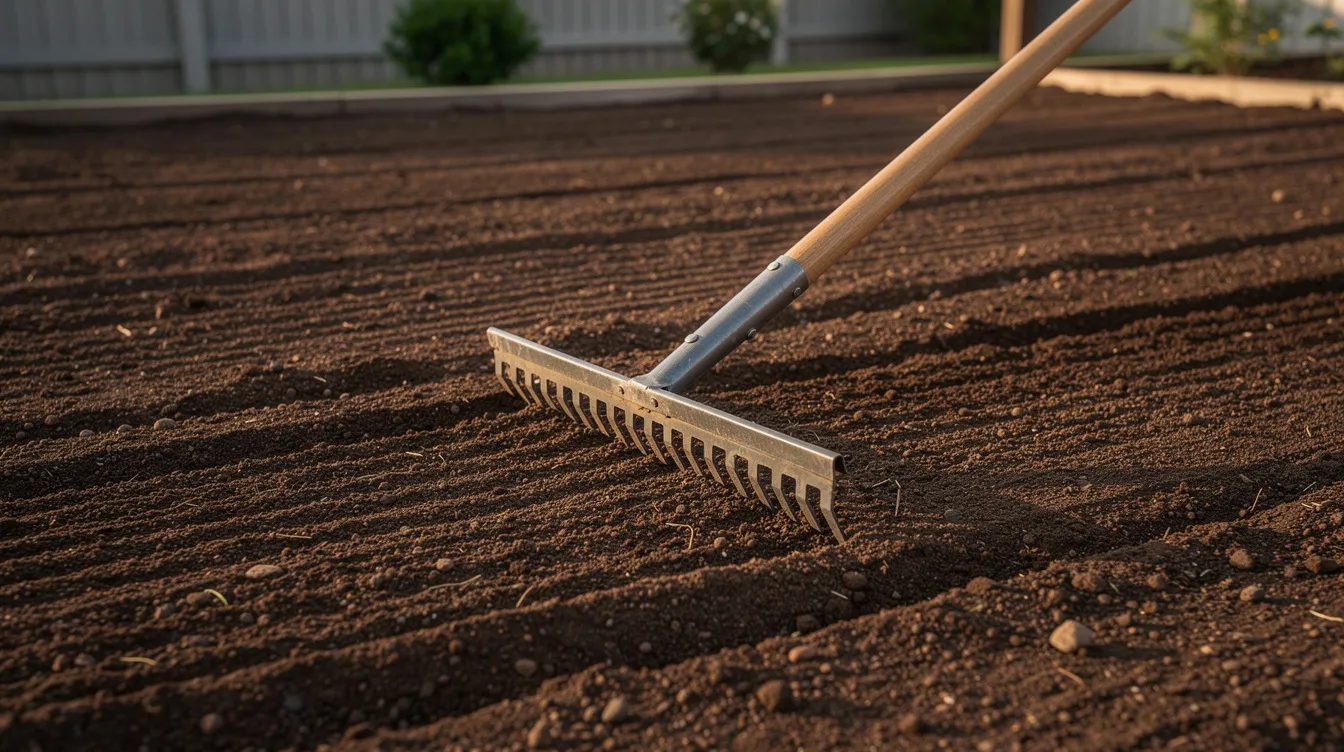
Next, rake to ground level, tread lightly, then rake again. This firm-and-rake process is key to creating an even surface. A thin layer of fine soil on top helps seed contact.
Rake in a balanced pre-seeding fertiliser 7–10 days before sowing. If that is not available, a light general purpose fertiliser can help, but avoid overfeeding with nitrogen. Later, once established, use a suitable lawn feed.
How to Sow Grass Seed on New and Existing Lawns
Grass establishment from seed generally involves four key phases: soil preparation, even sowing, consistent moisture for germination, and gentle early care.
-
For a new lawn, calculate the area and follow the recommended sowing rate. Grass seeds should be sown at a rate of about 35-50 grams per square meter.
-
Divide the seeds into two equal batches. Sow the first half lengthways and the second batch widthways. To achieve a successful lawn, it is important to scatter the seeds as evenly as possible during the sowing process.
-
Lightly rake the grass seed into the top few millimetres of soil so it is not left loose on the surface.
-
Firm gently with the back of a rake or roller to improve seed-to-soil contact.
-
Water the freshly sown area lightly and frequently to keep the soil surface moist during germination. Use a fine spray so the sown area does not puddle or wash away.
-
For overseeding an existing lawn, mow short, scarify, remove thatch and moss, then sow grass seed onto exposed soil between plants.
-
Stay off newly sown lawns until the grass reaches around 5–7 cm high, then prepare for the first gentle mow.
Early Care for Newly Sown Lawns
Ryegrass often appears in 5–10 days. Fine fescues such as slender creeping red fescue and chewings fescue can take 10–21 days, depending on temperature, light, and moisture.
Keep the soil just damp, adjusting watering for rain. Once grass blades are visible, transition to long-term care by watering less frequently and allowing the grass to reach 7-10 cm before the first mow.
Begin mowing when growth is strong. Reduce height gradually to about 4–5 cm and never remove more than one-third of the blade at once. Avoid weedkiller until the lawn has been mown three or four times; hand-pull obvious weeds instead.
Understanding and Managing Seed Heads in Your Lawn
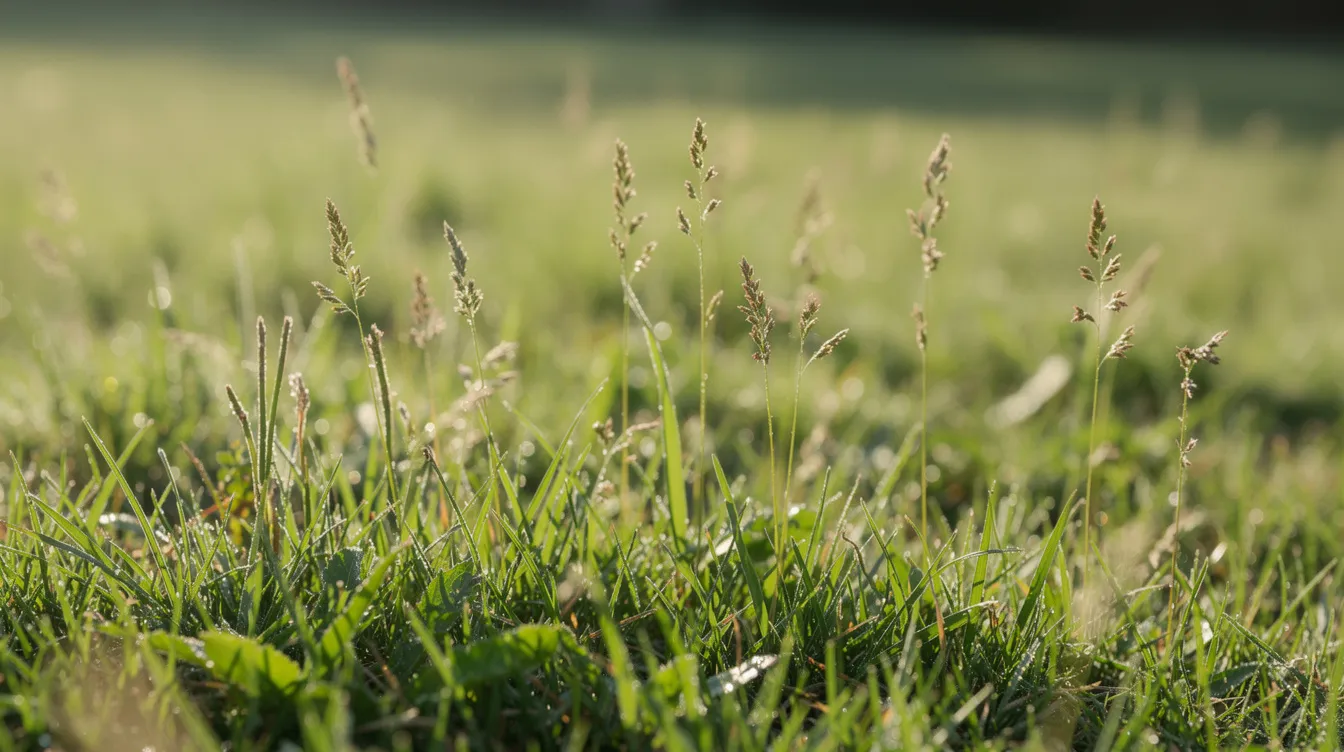
Seed heads are normal. They are produced when grass plants flower, especially in late spring and early summer, often May–June in the UK.
Perennial ryegrass forms upright seed spikes, while fescues and bentgrasses form finer seed heads above the leaf blades. They are not automatically a sign of poor health.
However, heavy flowering can make a lawn feel rough and uneven. Regular mowing removes many seed heads, but avoid scalping because that weakens the plants.
Good lawn seed with fewer undesirable species helps reduce coarse, unsightly seed heads from annual meadow grass and other grasses.
Grass Seed for Special Situations and Home Lawns
Different lawn seed mixes solve different problems:
-
Kids and pets: choose perennial ryegrass, ryegrass turf cultivars, and strong creeping red fescue for hard wearing repair.
-
Shade beside fences or trees: use hard fescue, creeping fescue, and smooth-stalked meadow grass. A north-facing garden may grow slower, but it can stay thicker with the right blend.
-
Dry or free-draining areas: use tall fescue and hard fescue. A coastal lawn on sandy soils, for example, will usually cope better with deep-rooted fescues than with ryegrass alone.
-
Heavy clay: improve drainage and soil structure before sowing. On clay soils, a tough mix is useful, but standing water will still limit growth.
-
Low-maintenance cover: choose slower fescue-rich mixes rather than fast growing ryegrass.
Match the mix to how you use the garden. A display lawn, a rough play area, and a low-input green cover all need different seeds.
Summary: From Grass Seed to Lasting Lawn
A successful lawn comes from three things: quality grass seed, correct timing in spring or early autumn, and thorough ground preparation.
Choose the right grass seed for traffic, shade, drought, and soil.
Prepare the ground, remove weeds, level the surface, and sow evenly.
Keep the seedbed moist until the seeds germinate, then move gradually into normal watering and mowing.
With the right seeds of grass and a little patience, bare soil or tired turf can become a thick, green lawn within a few weeks.


