


Key Takeaways
-
In the UK, fertilising your lawn is best when soil temperature is consistently around 8–10°C and grass shows active growth, usually from late March to September.
-
For optimal lawn health, fertilise your lawn 2 to 4 times per year, with a minimum of once in spring and once in autumn.
-
Use a slow release fertiliser as your core spring and autumn lawn feed; add liquid fertiliser or quick-release feed only when weather conditions are suitable.
-
New lawns, new turf, and seeded areas need gentler, phosphorus-rich fertiliser every 4–6 weeks until established.
-
Timing, lawn condition, moisture, and the right fertiliser matter more than the exact calendar date.
Fertilising lawn areas properly is one of the simplest ways to get green grass, stronger roots, and a healthier garden. This guide explains when to apply fertiliser, what lawn fertiliser to choose, and how to avoid scorching or over fertilising.
Why You Need to Fertilise Your Lawn
Mowing, rain, foot traffic, and general use gradually remove nutrients from soil. A lawn fertiliser programme replaces the essential nutrients grass needs for consistent growth.
All lawn fertilizers use an NPK ratio: nitrogen, phosphorus, and potassium. Nitrogen promotes lush, green top growth and leafy growth. Phosphorus ensures deep root development and root growth. Potassium boosts overall hardiness and disease resistance, helping strengthen cell walls against stress.
Even naturally fertile UK gardens lose nutrients if clippings are removed by a mower. Fertilising your lawn is essential for restoring vital nutrients, particularly nitrogen, which promotes the regeneration of grass and helps it recover from wear and stress.
A well-fed lawn recovers faster, uses water better in dry conditions, and helps prevent weeds and moss because dense turf leaves less room for weeds to establish.
Is Lawn Feed Always Necessary?
Some lawns on rich soil cope with minimal feed, but most uk gardeners get better results from at least two feeds yearly. Light, sandy, compacted, or heavily used lawns usually need regular maintenance and lawn regularly feeding.
A new lawn from seed or new turf is especially hungry, but it must never be pushed with a strong nitrogen rich feed. Pale colour, weak growth, bare patches, moss, and nutrient deficiency are signs your lawn condition needs attention.
Soil Testing and Lawn Feed Choice
Soil testing makes fertilising more accurate and helps avoid underfeeding or over fertilising. Testing every 3–4 years is enough for most domestic lawns unless problems persist.
Knowing pH and nutrient levels helps you choose the best fertiliser: high-nitrogen blends for spring and early summer, phosphorus for establishing new turf, and potassium blends for autumn and winter.
Many UK lawns are slightly acidic, which affects how roots absorb nutrients. The RHS lawn care guidance is a useful starting point for general lawn care decisions.
Simple Soil Testing at Home
Inexpensive kits or probes can measure pH and sometimes nitrogen, phosphorus, and potassium. Aim for pH 5.5–7.0, with most lawns happiest around 6.0–6.5.
Take several soil samples from root depth, mix them together, test the blended sample, then interpret results against the kit guide. Strongly acidic soil below about 5.5 may need garden lime and balanced grass fertiliser.
Matching Feed Type to Lawn Condition
An existing lawn in good health usually suits slow release granular fertiliser. Thin, tired turf may benefit from quick-release or liquid feeds for faster colour.
Compacted or thatchy lawns will not respond well until aerated or scarified, because roots cannot reach fertiliser properly. Standard lawn feed suits most established lawns; specialist grass fertiliser may help shady lawns, clay soils, or high-wear family areas.

Conditions Before You Fertilise (Soil, Weather, and Lawn Health)
Fertiliser application should follow biology: soil temperature, active growth, and moisture. Cornwall and the Scottish Highlands can reach the same date with very different growth stages.
It is better to wait a week than apply lawn feed too early, when nutrients may leach away or damage grass.
Soil Temperature and Active Growth
It is recommended to fertilise lawns when soil temperatures reach around 8–10°C and the grass shows signs of active growth, typically between mid-March and late April in the UK.
The best time to apply fertiliser in spring is typically between late March and April, once soil temperatures reach around 8-10°C and the grass shows signs of active growth. Practical signs include mowing starting again, new shoots, and natural green colour.
Apply a high-nitrogen fertilizer when the soil temperature reaches 12°C (55°F) and the grass begins its active growth cycle in spring/early summer. Feeding dormant grass wastes fertiliser and risks groundwater leaching.
Weather Conditions and Moisture Levels
Fertilizer should be applied when the soil is warm, the grass is dry, and gentle rain is expected, or watered in immediately. The soil should be moist, not waterlogged.
Avoid frost, heatwaves, strong sun, heavy rain, and drought. Water granular fertiliser in within 24 hours if rain is not expected.
Check the Lawn Condition First
Before fertilising, ensure that the lawn is not stressed due to drought or disease, as this can hinder nutrient uptake and weaken the grass.
Treat compaction with aeration, thatch with scarifying, and serious moss with appropriate moss killer before feeding. For example, a compacted mossy lawn should be scarified, aerated, overseeded, then given gentle lawn feed rather than a harsh high-nitrogen dose.
When to Fertilise: Season-by-Season Guide
The main fertilising window runs from late march to October, when grass is actively growing. The goal is to support spring summer growth and autumn winter resilience, not force growth in winter.
Spring (March–May): Kick-Start Growth
Spring is the key feed. Applying fertiliser at the right time, particularly in spring when grass begins its primary growth spurt, is crucial for ensuring that nutrients are effectively absorbed by the lawn.
Use slow release lawn fertiliser with higher nitrogen to restore colour and repair winter damage. Light aeration helps nutrients reach roots.
Summer (June–August): Maintain Colour and Resilience
Summer feeding maintains resilience, not excessive growth. A balanced, slow-release formula should be used in mid-summer to keep turf resilient against heat and foot traffic.
Quick-release fertilisers act rapidly, providing an immediate nutrient boost to the lawn, which is particularly beneficial during peak growth periods in spring and summer. Raise mowing height in drought and avoid heavy feeding.
Autumn (September–October): Build Strong Roots
In autumn, the ideal time to fertilise is September or October, which helps strengthen the lawn before winter and ensures better recovery in spring.
Use a low-nitrogen, high-potassium autumn feed. Autumn and winter fertilisers are typically lower in nitrogen but higher in potassium and phosphorus, which help strengthen the grass's root system and improve its resilience against cold weather.
Winter (November–February): Mostly Rest Period
Winter is mostly rest. Strong nitrogen in cold weather encourages soft growth and disease. A very light quick-release feed is only suitable in mild spells when soil is not frozen or waterlogged.
How Often to Fertilise and What Schedule to Follow
Most family lawns need two feeds: spring and early autumn. Better lawns use three feeds, adding late summer. Premium ornamental lawns may use four or five lighter feeds.
How often your lawn depends on soil type, use, and product. Slow release needs fewer applications than quick-release products.
Different Lawn Types, Different Needs
New lawns from seed or new turf benefit from phosphorus-focused starter fertiliser every 4–6 weeks in the first growing season. Busy lawns need 2–3 feeds. Ornamental lawns need lighter, more precise feeding with trace elements.
Sandy soils often need smaller, more frequent doses because nutrients wash through quickly.
Choosing the Right Lawn Fertiliser
Lawn fertilizers are categorized by their release mechanism and nutrient composition, expressed as an N-P-K ratio.
Granular feeds are best for planned seasonal work. Liquid fertilisers can be applied using a watering can or a backpack sprayer for faster and more even coverage across the lawn.
Organic Fertilizers are derived from natural plant or animal sources and feed the soil's natural microorganisms, releasing nutrients slowly without burning the grass. Synthetic Fertilizers are chemically manufactured to deliver exact, highly concentrated nutrient ratios and can scorch grass if over-applied.
Slow Release vs Quick-Release Feeds
Slow-release fertilisers are designed to provide nutrients gradually over an extended period, typically lasting several weeks to months, making them ideal for maintaining lawn health during the growing season.
Use slow release in spring and autumn. Use quick-release or liquid fertiliser only for short-term recovery or colour when conditions are favourable. Always follow the fertiliser product rate.
Season-Specific Products (Spring Summer vs Autumn Winter)
Spring summer products are higher in nitrogen for green growth. Autumn winter products contain less nitrogen and more potassium for hardier turf.
Using the wrong seasonal product gives weak results and may increase disease.
Fertilisers for New Lawns, Seeding and Turfing
For new lawns, use starter fertiliser high in phosphorus to encourage roots and deep roots. Apply gently 7–10 days before sowing or turfing, then again 4–6 weeks after germination.
Avoid strong high-nitrogen products on young plants because they can scorch blades and create soft growth.
How to Apply Lawn Fertiliser Safely and Effectively
Mow, clear debris, check weather, apply evenly, water in, then keep traffic off briefly. Wear gloves and keep children and pets away until granules dissolve and the surface dries.
Applying Granular Grass Fertiliser
For even distribution and to prevent patchy over-application, use a broadcast or drop lawn spreader.
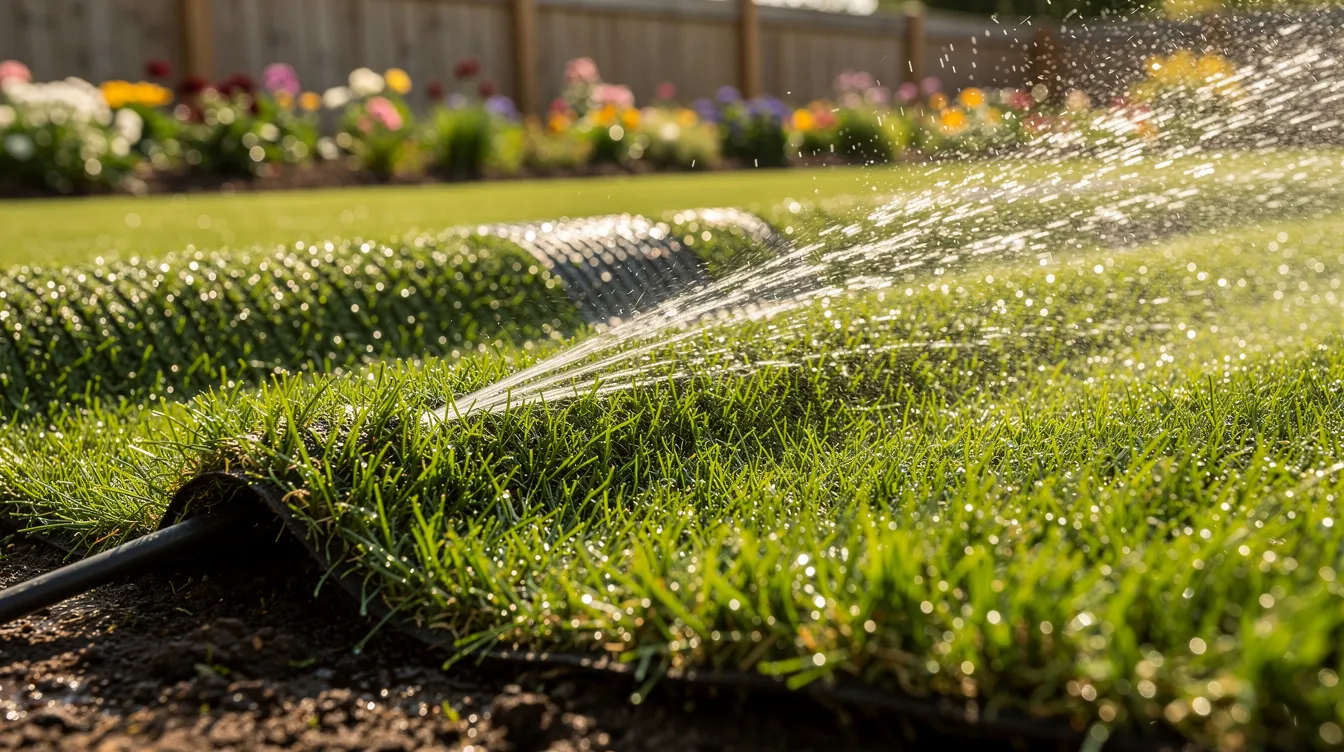
Mow 24–48 hours before feeding and collect clippings. When applying granular fertiliser, it is important to water it off the grass blades to prevent burning, ideally doing so on a day when rain is expected or using a hose or sprinkler system.
Applying Liquid Lawn Feed
Liquid feeds suit small or awkward lawns and quick recovery. Apply with a watering can and rose or sprayer, keeping dilution and walking speed consistent.
Mowing: Before and After Fertilising
Mow 1–2 days before fertilising, not immediately after. Wait at least 48 hours before mowing again so nutrients enter the soil.
Robotic or mulching mowers return fine clippings, acting as a natural supplement and reducing the need for extra lawn feed.
Common Problems and How to Avoid Over-Fertilising
More fertiliser does not mean a better lawn. Too much can turn brown patches, scorch tips, cause uneven greening, and increase disease risk.
If you over-apply, water heavily to dilute nutrients and pause further feeding.
Factors That Reduce Fertiliser Uptake
Compacted soil, thatch, cold soil, very dry soil, poor drainage, and incorrect pH all reduce uptake. Combine fertilising with aeration, scarifying, correct watering, and sensible mowing.
Alternatives and Complements to Traditional Lawn Feed
Mulch mowing returns clippings as a natural grass fertiliser. It can reduce extra feed needs, although poor or heavily used soils still benefit from light, well-timed lawn fertiliser.
Regular fertilisation can help prevent the establishment of weeds and moss, as a well-nourished lawn is better equipped to outcompete these unwanted plants. For weed control, combine dense growth with targeted treatment rather than relying on fertiliser alone.
FAQs
These FAQs cover practical gaps such as safety, reseeding, weedkillers, and visible results. Use label instructions first, especially with combined products.
How soon after fertilising can I let pets and children back on the lawn?
Usually wait until granular fertiliser has been watered in and the grass is dry, often 24–48 hours. Some pet-safe products differ, so follow the label and sweep granules from paths.
Can I fertilise and apply weed or moss killer at the same time?
Combined feed, weed and moss killer products exist. Do not mix separate fertiliser and herbicide unless the manufacturer allows it. Treat severe moss first, then feed during recovery.
How long does it take to see results after fertilising?
Quick-release and liquid feeds can green up grass in 3–7 days. Slow release may take 1–2 weeks, then support growth for much longer.


