


If you’ve ever stood in your garden wondering why the grass looks patchy, mossy, or just a bit tired, you’re not alone. Lawn care can feel overwhelming when you’re not sure what to do or when to do it. The good news? A healthy lawn doesn’t require endless hours of work—it comes from doing the right small jobs at the right time.
Quick-start: what your lawn needs right now
Let’s cut through the confusion. Whether you’re dealing with bare patches, weeds and moss, or simply want your lawn lush and green, the principles are surprisingly straightforward.
A thriving lawn rests on three core pillars:
-
Mowing correctly – keeping grass at the right height with sharp blades
-
Feeding at the right times – using seasonal nutrition like GREENER’s GROWTH, POWER and BOOST to match what your grass actually needs
-
Fixing problems promptly – tackling moss growth, compaction and thin areas before they spread
Your “this week” action list
Depending on the season, here’s what to prioritise:
-
In spring: Give your first light mow once the grass is actively growing (often late March), tidy the edges, and apply a spring lawn feed to kickstart healthy growth
-
In summer: Raise your mower height to protect roots during dry weather, and water deeply in the early morning if we hit a proper dry spell
-
In autumn: This is renovation time—scarify, aerate, overseed bare areas, and apply an autumn feed to strengthen roots before winter sets in
-
In winter: Stay off frosty or waterlogged grass, clear fallen leaves, and use the downtime to service your mower
If this still feels like guesswork, you’re not alone. Visit grassisalwaysgreener.co.uk to see how GREENER’s Transformation and Seasonal Care system takes the confusion out of lawn care—so you know exactly what your lawn needs and when.
Understanding your UK lawn and seasons
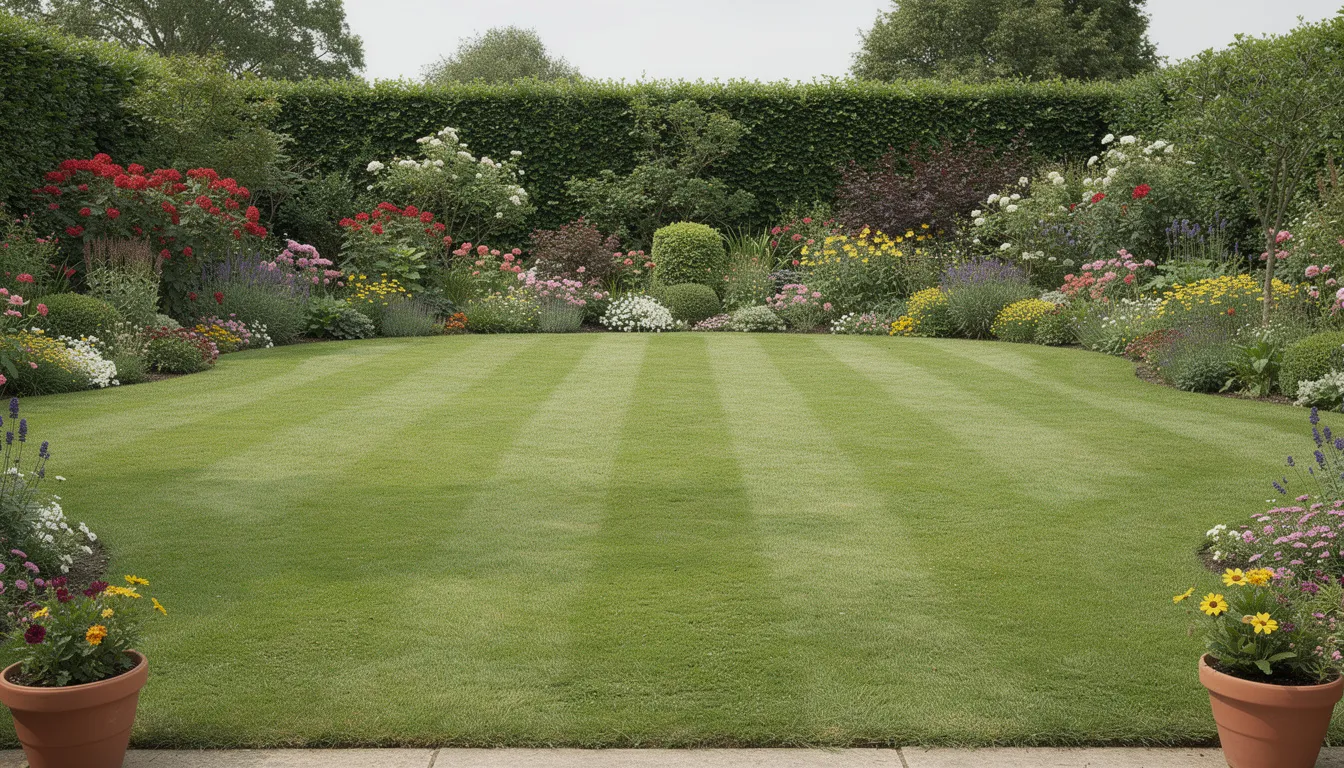
UK lawns follow a clear seasonal rhythm. Once you understand this, everything else falls into place. Our cool season grasses—typically perennial ryegrass, fescues and bentgrasses—thrive in mild temperatures between 15-25°C and follow predictable growth patterns throughout the year.
Here’s how your grass behaves across the seasons:
-
Early spring (March–April): Roots are waking up after winter dormancy. Soil temperatures rise, and this is the ideal window for your first feed and light renovation work. Growth starts slowly but accelerates as temperatures climb.
-
Late spring to mid-summer (May–July): This is peak growing season. Expect strong, vigorous growth that demands regular mowing. Watch for drought stress if we get extended dry spells, and adjust your routine accordingly.
-
Late summer to autumn (August–October): Growth slows but conditions are perfect for repair work. This is your prime window for overseeding, scarifying and heavier renovation—the soil is still warm but the heat stress has passed.
-
Winter (November–February): Your lawn enters dormancy. Growth almost stops when temperatures drop below 5°C. This is a time for protection and minimal intervention, not active lawn care tasks.
The “little and often” mindset
The biggest mistake homeowners make is ignoring the lawn for months and then attempting a massive rescue mission. Instead, think little and often. A quick mow every week or two, feeding three times a year, and addressing problems when they’re small—this approach prevents the need for expensive, time-consuming renovation later.
Your soil type matters too. Clay-heavy soils (common across much of England, especially the Midlands) hold water and compact easily. Sandy soils drain fast but lose nutrients quickly. Shaded areas present their own challenges, encouraging moss and weakening grass plants. We’ll cover solutions for these throughout this guide.
GREENER’s lawn subscription kits system is built specifically around these UK seasonal patterns. That means treatments arrive when your grass can genuinely respond—not just when it’s convenient.
Spring lawn care: wake-up, tidy and feed
March through May is the make-or-break window for your lawn. What you do now sets the foundation for the entire growing season. Get spring right, and most lawns will reward you with thick, resilient grass that naturally crowds out lawn weeds and shrugs off summer stress.
First inspections in March
Before you do anything, walk your lawn and take stock. Look for:
-
Patches of moss (often bright green and spongy)
-
Thatch build-up (a brown, fibrous layer at soil level)
-
Soggy spots that haven’t drained after winter rain
-
Compacted areas where foot traffic was heaviest
-
Bare patches or thin areas that need attention
Take photos of problem spots. You’ll be surprised how satisfying it is to compare them against your progress by autumn.
Your first mow
Don’t rush this. Wait until the grass is actively growing—typically mid to late March in most of the UK, though it varies with local weather. Choose a dry, frost-free day and set your mower height high, around 4-5cm.
The one-third rule is critical: never cut more than one-third of the grass blade in a single pass. Scalping your lawn—cutting too short—weakens root growth and can reduce photosynthesis by up to 50%, inviting weeds and disease to take hold.
Make sure your mower blades are sharp. Dull blades tear rather than cut, leaving ragged edges that turn brown and become entry points for infection. Sharp blades make all the difference to grass health.
Edging in April
Once growth picks up, use a half-moon edging tool or flat spade to cut a neat “gutter” edge around your borders. This stops grass creeping into flower beds and gives your lawn that crisp, cared-for look. Clean edges make even an average lawn look intentional.
Light scarifying and raking
By mid-April, when the lawn is properly growing, you can lightly scarify or rake to remove dead grass, moss debris and other debris that accumulated over winter. Don’t go too aggressive in spring—heavy scarifying is best left for autumn when the lawn has more recovery time.
The goal here is to open up the sward, improve airflow at soil level, and remove the layer of organic matter that can smother new grass grow.
Spring feeding
This is where the magic happens. A spring fertiliser rich in nitrogen kickstarts healthy growth, thickens the sward, and helps grass outcompete weeds naturally. Dense grass shades the soil, preventing weed seeds from germinating—research shows well-fed lawns achieve up to 50% weed reduction simply through competition.
GREENER’s GROWTH formula is designed for exactly this moment: controlled-release nitrogen that feeds steadily without causing a flush of soft, disease-prone growth.
Apply according to the recommended rate per square metre (typically around 25-35g/m² depending on the product) and water in if rain isn’t forecast.
Overseeding thin areas
Mid-April through May is ideal for overseeding. After raking or light scarifying, reseed bare patches and thin areas at roughly 35-50g/m². Choose a UK grass seed mix suited to your conditions—ryegrass-dominant blends work well for hard-wearing family lawns.
Keep the surface lightly moist until germination (usually 10-14 days). Avoid heavy foot traffic on newly seeded areas until the new grass seeds are established and have been mowed at least twice.
If your existing lawn feels more moss than grass, spring is the time to consider GREENER’s Transformation service—a comprehensive reset that tackles renovation properly rather than patching forever.
Summer lawn care: protect against heat, wear and drought
British summers are unpredictable. One week you’re dealing with a heatwave; the next, it’s raining for days. This variability stresses lawns in ways that steady climates don’t. The key to summer lawn care is protection—shielding your grass from heat damage, managing dry spells without over-watering, and accepting that a slightly less perfect lawn in August is completely normal.
Mowing in summer
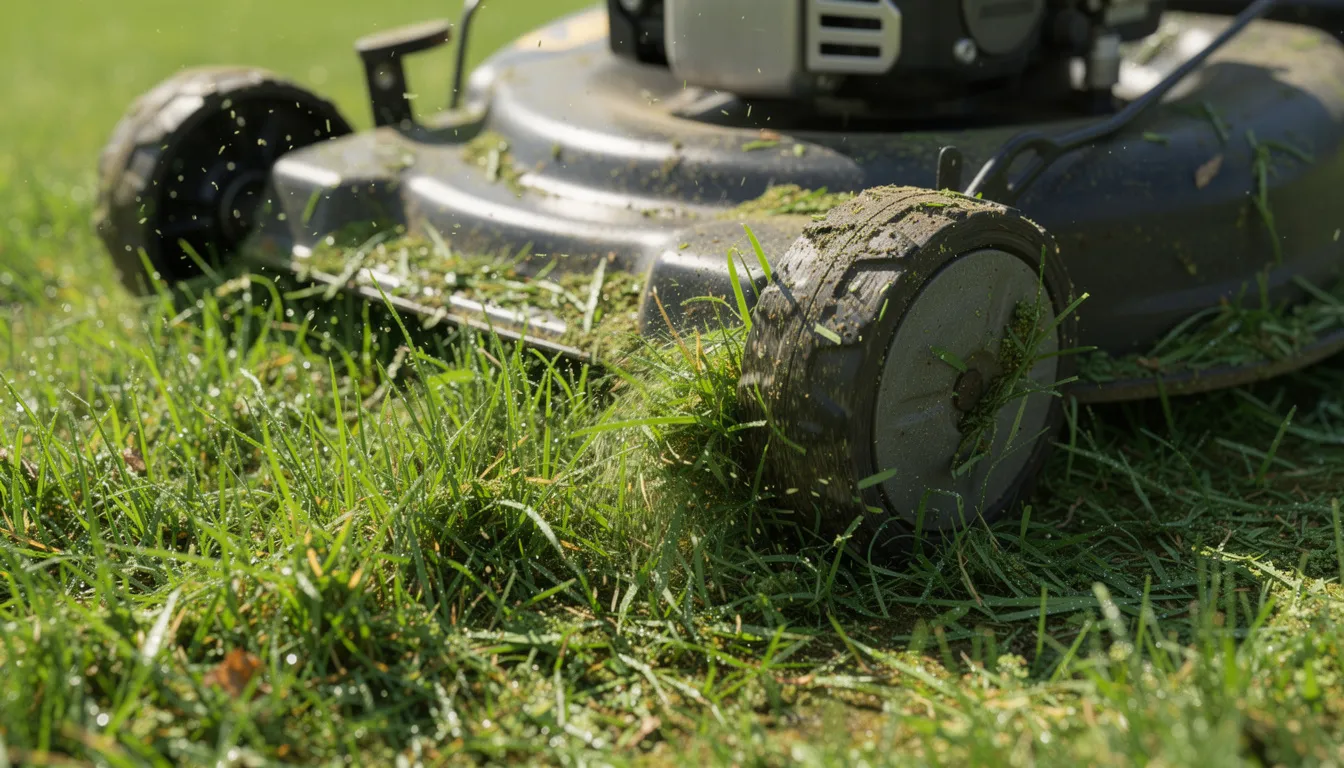
Raise your mower height to around 5-6cm during hot, dry weather. Taller grass shades the soil, keeping roots cooler and reducing moisture loss. This simple adjustment can make the difference between a lawn that survives a heatwave and one that browns off completely.
Keep to the one-third rule and mow little and often. In peak growing season, this might mean cutting every 5-7 days. For small lawns, a push mower works perfectly well. Bigger lawns benefit from a powered rotary or cylinder mower.
Avoid mowing during the hottest part of the day or when the grass looks scorched and crispy. Early morning or late evening mowing is gentler on both you and the grass.
Watering wisely
Here’s where most people go wrong: they give the lawn a light sprinkle every evening, which encourages shallow root growth and makes grass more vulnerable to drought. Instead, water deeply but less often.
-
Aim for roughly 25mm of water per session—you can measure this by placing a jam jar in the sprinkler zone
-
Water once or twice a week maximum during prolonged dry spells, rather than daily
-
Time it right: early morning (before 10am) or late evening reduces evaporation by up to 50%
-
Use rainwater collected in butts where possible to conserve water from the mains
Established lawns in much of the UK often manage without extra water except in genuine drought. The grass may turn brown in late summer during dry spells, but this is usually dormancy, not death. It will recover when rain returns if the lawn is otherwise healthy.
Summer feeding
Avoid heavy feeding during severe drought—nitrogen pushes soft, leafy growth that struggles in heat and becomes vulnerable to disease. If you want to feed in summer, use a lighter, balanced treatment and time it for when rain is forecast.
GREENER’s POWER formula is designed for summer: it provides potassium for stress resistance and helps grass stay resilient through difficult conditions without forcing excessive growth.
Managing wear and tear
Summer brings barbecues, children’s games and garden furniture. All that foot traffic takes its toll, especially on already-stressed grass.
-
Rotate furniture and play equipment every few weeks to prevent permanent compression
-
Create sacrificial zones—accept that the goal mouth or trampoline spot will suffer, and plan to overseed these areas in early fall
-
Brush off clumped grass clippings after mowing in wet conditions, but otherwise leave light clippings on the lawn (grasscycling returns nutrients to the soil)
Don’t panic if your lawn looks tired by August. Real repair work comes in September when conditions improve. For now, focus on protection rather than perfection.
Autumn and winter lawn care: repair, strengthen and protect
Autumn is renovation season. September through October offers the perfect combination of warm soil (which grass seed needs) and cooler air temperatures (which reduce stress). This is when you tackle the damage from summer and prepare your lawn to survive winter sets in.
Autumn repair: the renovation window
If you’re going to do one serious lawn care session each year, make it early autumn. Here’s the sequence:
-
Deep scarifying (September): Remove the layer of thatch, moss and dead grass that’s built up. This opens the sward and allows air, water and nutrients to reach the roots. Scarifying looks brutal—your lawn will appear worse before it gets better—but recovery is rapid when the soil is still warm.
-
Aeration: After scarifying, relieve compaction by spiking or hollow-tining. This is especially important on clay soils or areas with heavy traffic. Aeration improves root growth by 20-30%, enhancing drainage and preventing waterlogging over winter.
-
Topdressing: Apply a thin layer (2-5mm) of sandy, loam-based mix to level minor hollows and improve soil structure. Learn more in our lawn topdressing guide for UK gardens, and work it into the surface with a stiff brush.
-
Heavy overseeding: This is the time to properly address bare areas and thin patches. After scarifying, sow lawn seed at 35-50g/m² using a UK grass mix suited to your conditions. Keep the surface moist for 2-3 weeks until the new grass establishes.
Autumn feeding
Switch to an autumn fertiliser lower in nitrogen but higher in potassium. This doesn’t push leafy growth (which would be vulnerable to frost); instead, it toughens roots and builds disease resistance for the cold months ahead.
GREENER’s BOOST formula is designed for exactly this: strengthening the grass plant from the roots up so it emerges from winter in good shape, ready for spring.
Apply in September or early October, following the recommended rate per square metre.
Winter habits (November–February)
Winter is about protection, not intervention. Most lawns need almost nothing from you during frosty weather—and that’s the point.
-
Stay off frozen or waterlogged grass. Walking on frosty lawns bruises the grass blades, leaving brown footprints that persist for weeks. Wet, compacted soil recovers slowly.
-
Clear fallen leaves regularly. A blanket of leaves smothers grass and creates perfect conditions for fungal diseases like fusarium. Light raking or running the mower on a high setting (if conditions allow) keeps the lawn clear.
-
Pause major work. Stop mowing once growth effectively stops (usually when temperatures consistently stay below 5°C). Save scarifying, aerating and reseeding for when soil temperatures rise again in late March.
-
Use the downtime wisely. Service your mower, sharpen blades, check your tools. Research shows clean cuts from sharp blades reduce disease entry by up to 30%.
If your lawn still looks thin and weak by October despite your efforts, consider GREENER’s Transformation programme. Running over autumn and spring, it properly resets problem lawns rather than chasing symptoms year after year.

Mowing, feeding and watering basics (the core routine)
Master these three fundamentals and you’ll solve most everyday lawn problems. Everything else—from weed control to moss treatment—builds on this foundation of regular, correct mowing, appropriate feeding, and sensible watering.
Mowing fundamentals
Target cutting heights:
-
Spring and autumn: 3-4cm for typical family lawns
-
Summer (especially dry weather): 5-6cm to protect roots
-
Shaded areas: Keep slightly longer (4-5cm) year-round
Key principles:
-
Never remove more than one-third of the blade in a single cut
-
Mow regularly during the growing season—typically weekly in peak growth
-
Keep mower blades sharp; service your machine at least once a year
-
Avoid scalping edges, slopes and uneven areas
-
Consider leaving some lawn edges longer for wild plants and pollinators if you have space
For most lawns, a rotary mower works fine. If you’re after a finer finish with visible stripes, a cylinder mower delivers sharper cuts—reducing grass tear by up to 40%.
Feeding fundamentals
UK lawns benefit from feeding at least twice a year—spring and autumn—especially on poor, sandy or heavily used soils. The classic mistake is either not feeding at all or dumping too much fertiliser and burning the grass.
GREENER simplifies this with a three-stage system:
-
GROWTH (Spring): Nitrogen-rich feed for density, colour and vigorous green-up
-
POWER (Summer): Balanced formula for resilience during heat and drought stress
-
BOOST (Autumn): Potassium-focused feed for root strength and winter hardiness
Always follow application rates carefully—over-fertilising causes nutrient burn and pushes soft, weak growth that’s vulnerable to disease. Apply when rain is forecast or water in lightly after spreading.
Watering fundamentals
Established lawns across much of the UK manage without extra water except during prolonged dry spells. Before reaching for the hose, try the footprint test: walk across the lawn, then look back. If your footprints remain visible and the grass doesn’t spring back, it needs water.
When you do water:
-
Apply roughly 20-25mm per deep watering session (measure with a jar)
-
Water deeply once or twice a week, not lightly every day
-
Avoid watering in the middle of the day when evaporation is highest
-
Use saved rainwater where possible to conserve water
Consider keeping a simple notebook or phone notes of when you mow, feed and water. Patterns emerge quickly, and you’ll spot issues—like a patch that always dries out first—before they become serious problems.
Dealing with common problems: moss, weeds and bare patches
Every UK lawn faces challenges. Moss in damp, shaded areas. Dandelions popping up in spring. Bare areas where the dog always runs or the kids play football. Understanding why these problems occur is the first step to solving them properly.
Tackling moss
Moss isn’t just a nuisance—it’s a symptom. Healthy grass in the right conditions will outcompete moss naturally. When moss dominates, it’s usually telling you something about:
-
Shade: Grass needs light; moss thrives in shaded areas
-
Poor drainage: Compacted or waterlogged soil favours moss over grass
-
Weak grass: Underfed, thin lawns leave gaps that moss fills
-
Acidic soil: Moss thrives below pH 6; UK soils often test acidic (average around 5.5)
The fix isn’t just applying moss killer and hoping for the best. That removes the moss but doesn’t address the cause. Instead:
-
Improve drainage through aeration and topdressing where needed
-
Reduce shade where possible (trim overhanging branches)
-
Scarify to remove existing moss
-
Overseed to thicken the grass
-
Feed regularly to strengthen the sward
Iron-based treatments (like ferrous sulphate at 50g/m²) are effective—achieving around 80% moss kill rate—but they must be combined with proper renovation and feeding for lasting results.
Managing weeds
A few daisies or clover flowers won’t ruin your lawn—some people actually like them for pollinators. The problem comes when unwanted plants start crowding out grass, creating patchy, weak areas.
Your best weed control is a dense, healthy sward. Thick grass naturally suppresses weed growth by shading the soil and preventing weed seeds from germinating. Regular mowing at the right height is remarkably effective—studies show dense turf achieves 50% weed reduction through competition alone.
For persistent weeds:
-
Hand weeding works well for isolated dandelions or dock—dig out the whole root
-
Spot treatments with targeted weed killer address problem patches without blanket chemicals
-
Avoid broad herbicide applications unless absolutely necessary; they can harm beneficial organisms
Remember: healthy grass is the best prevention. If weeds keep returning, focus on why the grass isn’t thriving rather than just attacking symptoms.
Fixing bare patches
Bare areas have many causes: dog urine, heavy wear, scalping, disease or just poor establishment. The repair process is straightforward:
-
Loosen the top 1-2cm of soil with a rake or hand fork
-
Apply quality lawn seed—ryegrass-dominant mixes are most hard-wearing for family lawns
-
Rake lightly to ensure seed-to-soil contact
-
Keep moist (not waterlogged) until germination, typically 10-14 days
-
Avoid heavy foot traffic for 6-8 weeks until the new grass is properly established
For high-traffic zones like lawn patch areas near goals or swing sets, be realistic: constant wear defeats even the best grass. Consider creating a harder-wearing surface in genuinely heavy-use spots, or accept that these areas will need regular renovation.
Addressing compaction
Compaction is invisible but damaging. Clay soils are particularly prone, and 40% of UK gardens have significant compaction issues. Signs include:
-
Puddles that persist after rain
-
Thin, mossy areas on regular walkways
-
Hard soil that water runs off rather than soaks into
-
Poor grass growth despite feeding
The solution is aeration—punching holes and removing soil cores to create space for air, water and nutrients. Annual aeration in autumn makes a genuine difference, improving root penetration by 20-30% in heavy soils.
Where possible, redirect foot traffic with stepping stones or paths to protect recovering areas.
GREENER’s Transformation service tackles all these issues together—moss, compaction, weeds and bare areas—rather than chasing one problem at a time. It’s a comprehensive reset designed for lawns that need more than patching.
Planning your year: a simple UK lawn care calendar
Having a lawn care calendar removes the guesswork. Here’s a month-by-month overview for an average UK lawn, though always adjust based on your local weather rather than following dates rigidly.
March–April: The wake-up
This is early spring revival time. Focus on:
-
First mow once grass is actively growing (often late March)
-
Light raking to remove winter debris and dead grass
-
Spring feed (like GREENER GROWTH) to kickstart growth
-
Early overseeding of thin areas while soil is moist
May–June: Peak growth
The lawn is now in full growing season mode:
-
Regular mowing, typically weekly, following the one-third rule
-
Edging to keep borders sharp and prevent weeds creeping in
-
Spot weed control for any persistent problem areas
-
Adjust mower height upward as temperatures rise
July–August: Protection mode
Late summer brings heat and drought challenges:
-
Protect from heat with higher mowing heights (5-6cm)
-
Deep watering only during prolonged dry spells, ideally early morning
-
Minimal feeding—avoid heavy nitrogen in drought conditions
-
Note areas of damage for autumn repairs; don’t stress about brown patches
September–October: Renovation window
This is prime time for serious work:
-
Scarify to remove thatch and moss
-
Aerate to relieve compaction from summer use
-
Overseed all bare patches and thin areas
-
Autumn feed (like GREENER BOOST) to build winter resilience
November–February: Rest and protect
When winter sets in, switch to protection mode:
-
Keep off grass when frosty or very wet to avoid compaction
-
Clear fallen leaves weekly to prevent disease
-
Service your mower and sharpen blades ready for spring
-
Plan improvements based on what worked (or didn’t) this year
Don’t panic if you miss a month or the weather throws your schedule off. The lawn responds best when you sync lawn care tasks with actual conditions rather than rigid calendar dates. A warm October means renovation can stretch later; a cold, wet spring means holding off until the ground dries.
Consider pinning a simple version of this schedule in your shed or saving it on your phone. Better yet, GREENER’s Seasonal Care garden subscription programme is built around this UK lawn care calendar—treatments arrive when your grass can actually use them, not just on arbitrary dates.
When to call in expert help (and next steps)
Some lawns need more than weekend DIY. Years of neglect, severe moss infestation, poor soil or persistent problems despite your best efforts—these situations call for professional intervention to properly reset.
Signs you might need expert help
-
Moss dominating more than half the lawn despite repeated treatment
-
Bare areas that won’t establish no matter how often you sow grass seed
-
Severe compaction with standing water after rain
-
Repeated disappointment after buying lawn feed, weed killer and seed with no lasting improvement
-
A new lawn that never properly established after turf or seeding
What professional help looks like
A proper assessment from GREENER involves inspecting soil condition, thatch depth, shade patterns, usage and existing grass quality. From there, we design a tailored Transformation plan combined with ongoing Seasonal Care that actually addresses the root causes—not just the symptoms.
Expert help doesn’t replace you as the homeowner. You’ll still need to mow lawn regularly and follow basic good practice. What it removes is the guesswork: knowing exactly what products to use, when to apply them, and how to sequence renovation for maximum effect.
The difference between a struggling lawn and one that’s thick, healthy and the envy of the street often comes down to getting the fundamentals right—year round, season after season.
Ready to transform your lawn?
If you’ve read this far, you’re serious about getting results. Whether you want to tackle renovation yourself with the right guidance or prefer expert help from the start, GREENER’s lawn care service is here to make it happen.
Visit grassisalwaysgreener.co.uk to start your lawn transformation. Take our simple assessment, compare DIY lawn care costs with our subscription kits, get a personalised plan for your garden, and finally remove the guesswork from lawn care.
Your lawn can be thick, healthy and genuinely beautiful. Let’s make it happen.


