


A beautiful lawn isn’t built on gadgets, gimmicks or weekend warrior heroics. It comes from consistent, simple habits—done at the right time, in the right way. If you’ve ever wondered why your neighbour’s grass looks lush while yours struggles with patchy areas, moss creeping in from the edges, or worn areas where the kids play football, you’re not alone.
The truth is, most UK homeowners face the same problems: bare patches that never seem to fill in, weeds popping up faster than you can pull them, muddy ruts after wet weather, and genuine confusion about when to feed, mow or water. This guide cuts through the noise and gives you a clear, practical framework for year-round lawn care in the UK—with quick wins you can action this week.
GREENER is a premium, results-driven lawn care brand built specifically for UK conditions. Our system removes the guesswork with a proven approach: Transformation for lawns that need serious renovation, plus Seasonal Care using GROWTH, POWER and BOOST treatments that sync with your grass’s natural cycle. By following this guide, you’ll know exactly what to do and when—and where GREENER can step in to handle the heavy lifting if you’d rather leave it to the experts.
Quick-start: how to care for your lawn this week
You don’t need to read an entire guide before taking action. Here’s how to care for your lawn right now, in the next few days, whatever the season.
Five simple steps any UK homeowner can do this week:
-
Check your mowing height – Set your mower to leave grass around 3–4 cm tall. This single adjustment improves colour, encourages deeper roots, and helps the lawn cope with dry spells.
-
Remove debris – Clear fallen leaves, twigs, toys and anything else sitting on the grass. Debris blocks light and traps moisture, encouraging moss and disease.
-
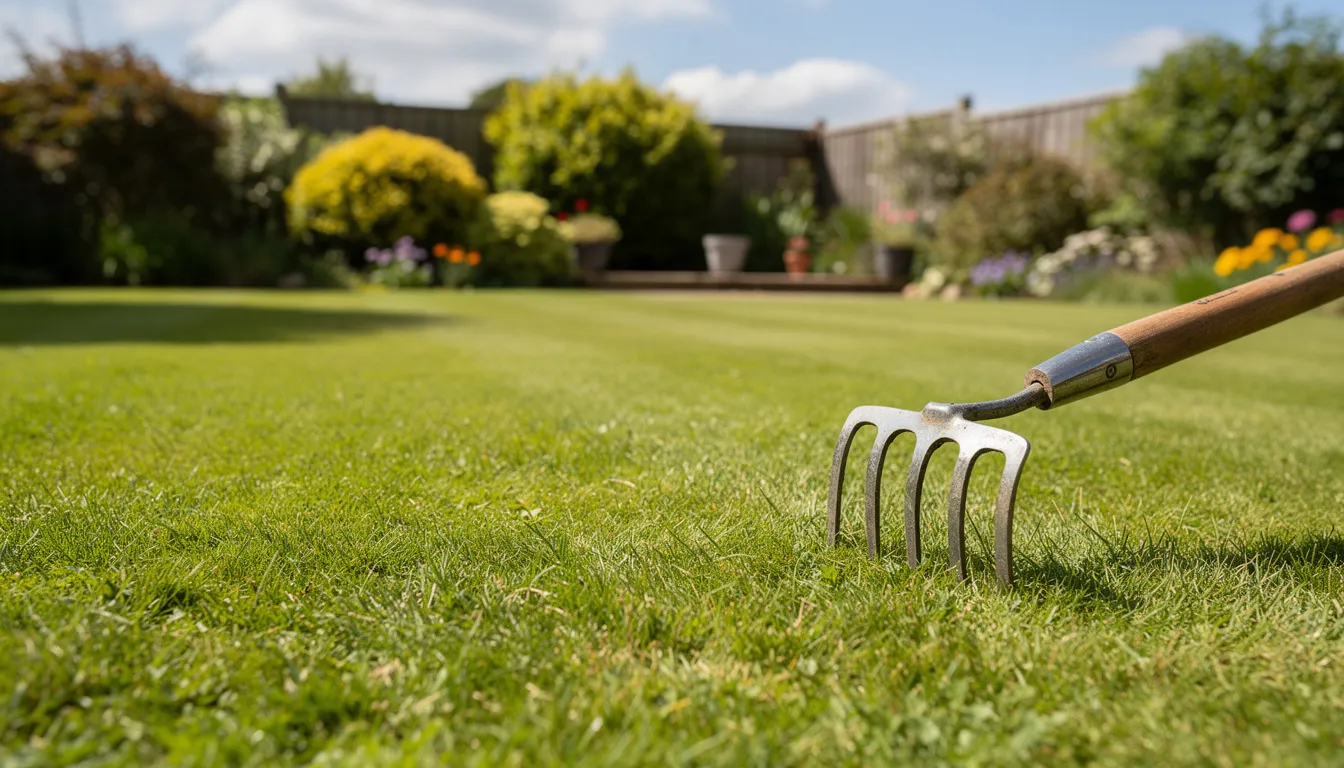
Lightly rake – Use a spring-tine rake to lift any flattened grass and brush away worm casts before your next mow. This prevents smearing and keeps the surface tidy.
-
Spot-check for problems – Walk the lawn and note any bare patches, mossy areas or waterlogged spots. Knowing what you’re dealing with is half the battle.
-
Avoid saturated or frosty ground – If the lawn squelches underfoot or there’s frost on the blades, stay off it. Compaction and bruising set recovery back weeks.
Why does mowing height matter so much? Taller grass blades capture more sunlight, which fuels stronger healthy growth. Research shows roots can reach 15–30 cm deep when grass is kept at the right height, compared to just 2.5–5 cm when lawns are regularly scalped. That deeper root system makes your turf far more resilient to drought and wear.
This week’s quick checklist:
|
Task |
When to do it |
|---|---|
|
Mow (if grass is growing) |
Dry day, ground firm |
|
Clear leaves and debris |
Any dry day |
|
Brush worm casts |
Before mowing |
|
Stay off lawn |
Wet and frosty weather |
|
Take a few photos of your lawn now so you can track improvement through the season. It’s surprisingly satisfying to compare “before” and “after”—and if you want expert support turning an “OK” lawn into something genuinely impressive, GREENER is here to help. |
|
Understanding your UK lawn: soil, grass type and shade
Good lawn care starts with knowing what you’re working with, not just copying a generic lawn care calendar from the internet. Your soil, grass species and light conditions all shape how your lawn behaves—and what it needs from you. If you’re completely new to this, GREENER’s lawn care for beginners guide walks through these basics in more detail.
Typical UK lawn grasses
Most UK lawns contain a mix of perennial ryegrass and fescues, sometimes with bent grasses thrown in. Ryegrass is tough and recovers quickly from wear, making it ideal for family gardens. Fescues tolerate shade and dry conditions better but are slower to repair damage. Understanding this helps you set realistic expectations: a shaded fescue lawn won’t bounce back from a summer barbecue as quickly as a sunny ryegrass patch.
Checking your soil type
You don’t need a laboratory test. Grab a handful of damp soil and squeeze it:
-
Clay soil – Sticks together in a ball, feels smooth and heavy. Common in around 60% of UK gardens. Prone to compaction and waterlogging.
-
Sandy soil – Falls apart easily, feels gritty. Drains fast but doesn’t hold nutrients well.
-
Loam – Crumbly, holds together loosely. The ideal balance of drainage and nutrient retention.
Clay soils benefit hugely from aeration; sandy soils need more frequent feeding. Knowing your soil helps you target the right treatment.
The impact of shade
Shade from fences, trees and buildings is one of the biggest challenges in UK gardens. Less light means slower growth, thinner grass and more moss. Shaded lawns need different expectations: they won’t look as dense as sunny areas, and they benefit from higher mowing heights and moss control programmes.
GREENER assesses soil and site conditions at the start of every Transformation programme, so feeding and renovation are matched to your actual lawn—not a one-size-fits-all formula.
Core lawn care tasks: mow, feed, water, repair
All good lawn maintenance boils down to a few core tasks done at the right time, rather than an endless collection of products and gadgets. Get these right and you’re 90% of the way to a lawn you’re proud of.
Mowing your lawn properly
Mowing is the single most important thing you do for your lawn. Get it right and everything else becomes easier; get it wrong and you’ll be chasing problems all season.
UK-specific mowing height guidance:
|
Lawn type |
Ideal height |
Notes |
|---|---|---|
|
Family lawn |
3–4 cm |
Balances appearance with resilience |
|
Ornamental lawn |
2–3 cm |
Needs more attention and feeding |
|
During hot, dry weather |
Raise by 1 cm |
Helps grass cope with drought |
|
How to adjust through the year: |
|
|
-
Spring (late March onwards): First gentle cut once growth starts, on the highest setting
-
Late spring and summer: Regular mowing, typically weekly during the growing season
-
Autumn: Reduce frequency as growth slows
-
Winter: Mostly rest; occasional light trim in mild spells if growth continues
Key practical tips:
-
Never remove more than one-third of the blade length at once
-
Keep mower blades sharp—blunt blades tear grass, causing brown tips and disease entry points
-
Clear stones, toys and debris before you mow to protect both lawn and machine
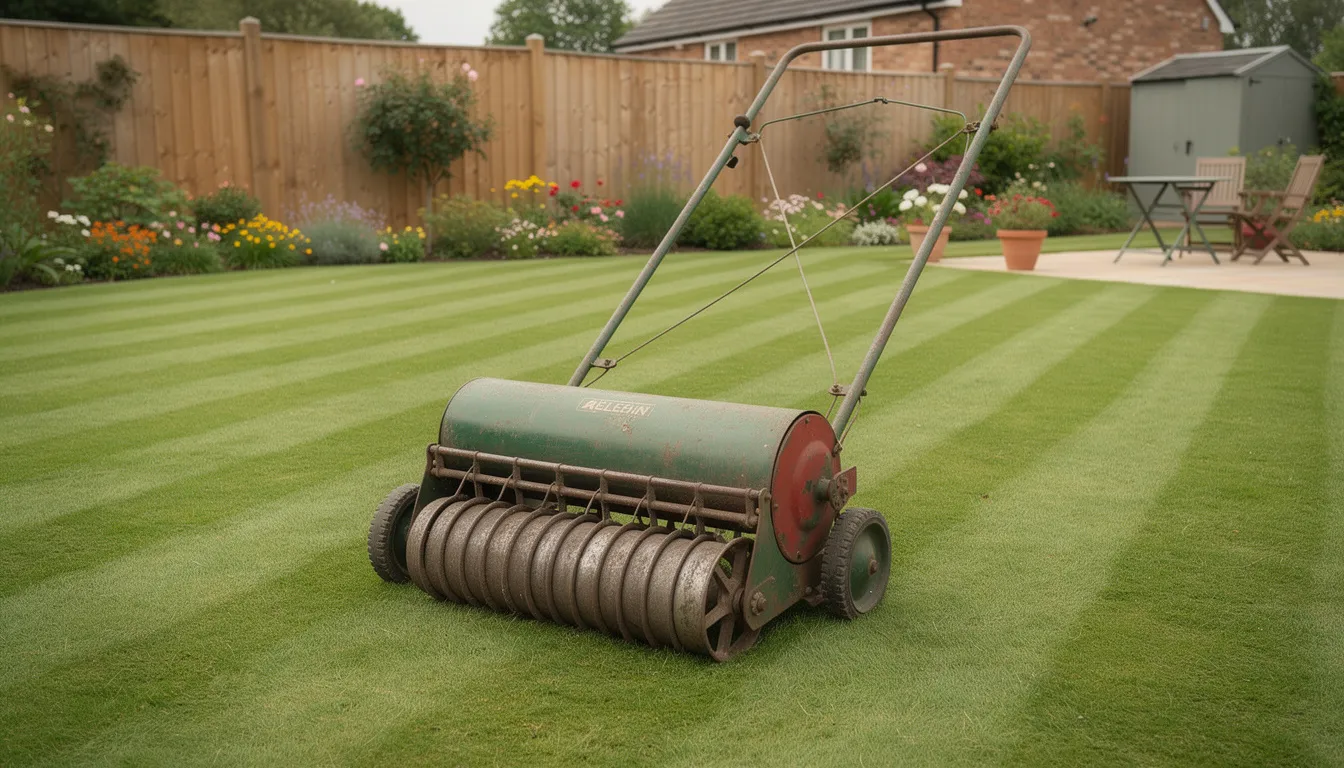
Grasscycling—leaving short clippings on the lawn during active growth—returns nutrients to the soil and can reduce your fertiliser needs by up to 25%. As long as clippings are short and dry, they won’t cause thatch problems.
Feeding your lawn with the right fertiliser
Mow regularly and you’re constantly removing nutrients from the soil. In the UK climate, where rain leaches goodness away quickly, feeding is non-negotiable for a rich green lawn.
Spring and summer feeds are high in nitrogen (N) to drive lush, leafy growth. Autumn feeds shift the balance towards potassium (K), strengthening roots and disease resistance ready for winter.
The key is “little and targeted” rather than random feeding. If you’d like a detailed month‑by‑month plan, follow GREENER’s guide on when to fertilise your lawn in the UK. Apply lawn feed when:
-
Soil temperatures are above 8°C (grass is actively growing)
-
Rain is expected within 24–48 hours (helps wash granules in)
-
You haven’t applied anything else recently
GREENER’s system makes this simple—especially if you use The GREENER Kit seasonal lawn care subscription:
-
GROWTH – Builds density and colour in spring and early summer
-
POWER – Tackles moss and weeds as part of a Transformation programme
-
BOOST – Maintains strength and resilience through the seasons
Avoid over-feeding—more is not better. Excessive lawn fertiliser causes rapid soft growth that’s vulnerable to disease, and can scorch grass in dry conditions. For an even finish without streaks, use a spreader or consider expert application.
Watering wisely in UK conditions
Let’s be honest: most established lawns in the UK don’t need much watering. Our climate delivers enough moisture most of the time, and grass is remarkably good at recovering from summer browning once autumn rain arrives.
When to water established lawns:
-
During extended dry spells (more than two weeks with no significant rain)
-
When grass is showing widespread drought stress (bluish tinge, footprints staying visible)
How to water effectively:
-
Water deeply and infrequently—aim for 15–25 mm per session, once or twice a week maximum
-
Water early morning or late evening to reduce evaporation
-
Focus on getting moisture to the root zone, not just dampening the surface
New lawns are different. Whether you’ve laid turf or sown lawn seed, new grass needs consistent moisture for the first 6–8 weeks. Keep the top few centimetres of soil evenly moist, especially during dry conditions, but don’t waterlog it.
Use collected rainwater where possible, and always respect hosepipe bans. A brown lawn recovers; a fine from the water company doesn’t.
Dealing with moss, weeds and thatch
Moss and weeds are facts of life in UK lawns, especially in damp, compacted or shaded areas. The good news? They’re almost always fixable with the right approach.
Moss
Around 40% of UK gardens have moss problems, according to RHS surveys. Moss thrives where grass struggles: shade, compaction, poor drainage, low fertility and acidic soil. Quick-fix products like iron sulphate kill existing moss in 7–14 days, but unless you address the underlying causes, it returns.
Long-term moss control means:
-
Improving drainage (aeration)
-
Reducing shade where possible
-
Feeding regularly to strengthen grass
-
Scarifying to remove dead moss and thatch
Weeds
Hand weeding works for occasional invaders. For widespread problems—clover, daisies, dandelions—a selective weed killer applied during active growth (usually late spring) tackles them without harming grass. The healthier your lawn, the less space weeds have to colonise.
Thatch
Thatch is the spongy layer of dead organic matter between the grass blades and soil. A little is fine; more than about 1 cm becomes a problem, blocking water, air and nutrients. Lawn scarifying every few years removes this layer and revives tired turf.
GREENER’s Transformation service combines moss control, weed treatment, scarifying, aeration and reseeding into one structured programme—rather than piecemeal fixes that never quite solve the problem. Incorporating lawn topdressing using the GREENER method after aeration can further improve soil structure and long‑term lawn health.
Seasonal lawn care in the UK: what to do and when
For a month‑by‑month breakdown of tasks, see GREENER’s lawn care calendar for each UK season, and if you prefer a ready-made routine built around the weather, explore the best lawn care routine for UK gardens.
UK weather, not calendar dates, should guide your lawn care. But there’s still a helpful seasonal rhythm that keeps you on track year round.
Spring: wake-up and repair
UK lawns typically wake up as soil temperatures rise above 7–8°C, often in late March or early spring in southern areas, a few weeks later further north.
Key spring jobs:
-
First light mow – Set the mower high and take just a little off the top
-
Rake out debris – Remove winter detritus, moss and dead grass
-
Check for problems – Note bare patches, moss invasion and compacted areas
-
Start feeding – Apply a spring lawn feed (like GREENER GROWTH) once growth is steady
-
Overseed thin areas – Mid to late spring, when soil is warm enough for new grass seeds to germinate
If you’re planning moss treatment, do it before heavy raking or scarifying to avoid spreading spores across the lawn.
Spring is the ideal time to book or begin a GREENER Transformation so your lawn is strong before peak summer use.
Summer: protect and enjoy
Summer lawn care is about balancing a smart routine with actually enjoying your garden. You don’t need to be out there every day.
Summer mowing guidelines:
-
Raise cutting height slightly during hot, dry weather
-
Mow regularly but never scalp—keeping grass taller shades the soil, conserves moisture and crowds out weeds
Recognising drought stress:
In genuinely prolonged dry spells, grass may go dormant and turn straw-coloured. This looks alarming but is usually survivable. If you choose to water, do so deeply and infrequently—a good soak once a week beats a light sprinkle every day.
Dealing with summer wear:
Paddling pools, football goals and garden furniture all create worn areas. Rotate positions where possible, or use temporary grass mats under heavy items. Patch repairs are easier in early autumn once moisture returns.
GREENER BOOST treatments help maintain colour and resilience through summer, especially ahead of hot spells or heavy garden use.
Autumn: strengthen and renovate
Early autumn is the ideal window for serious improvement work. Soil is still warm, moisture is returning, and weeds are slowing down—perfect conditions for renovation.
Key autumn tasks:
|
Task |
Why it matters |
|---|---|
|
Scarifying |
Removes thatch and moss, lets air and nutrients in |
|
Hollow-tine aeration |
Relieves compaction, improves drainage |
|
Topdressing |
Levels surface, improves soil structure |
|
Overseeding |
Thickens the lawn, fills bare patches |
|
Autumn fertiliser |
Strengthens roots for winter |
|
An autumn lawn fertiliser with more potassium and less nitrogen helps roots and disease resistance through the colder months. |
|
GREENER’s Transformation is often planned around autumn so the existing lawn can recover and knit together, emerging strong in spring.
Winter: protect and plan
Winter is mostly about not causing damage while the lawn rests.
Winter dos and don’ts:
-
Don’t walk on frozen or waterlogged lawns—compaction and bruising cause muddy ruts and slow recovery
-
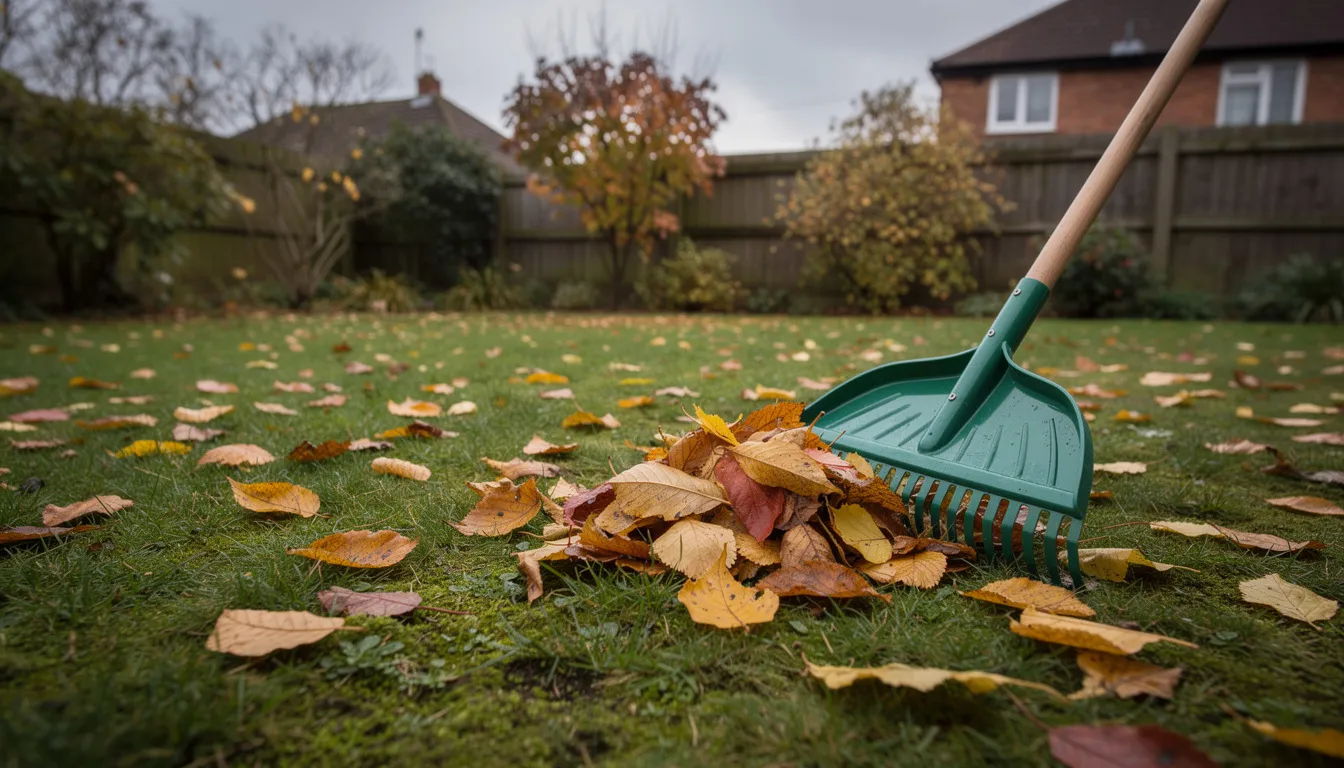
Do keep fallen leaves cleared with gentle raking on dry, firm days
-
Do give a light, high mow in milder spells if new growth appears
-
Do service your mower, sharpen blades, and plan next season’s care
Use winter to research and book GREENER visits for spring, or map out your DIY schedule so you’re ready when the growing season arrives. You can also browse GREENER’s library of step‑by‑step lawn care guides to plan specific jobs.
Caring for new lawns: seed and turf
A new lawn—whether from seed or turf—needs more consistent attention than established lawns, especially in the first year.
Preparation basics:
-
Level the ground and remove stones, rubble and weeds
-
Firm the soil by treading or rolling, but don’t over-compact
-
For seed: sow grass seed at around 50g per square metre in warm, moist conditions
-
For turf: lay immediately after delivery, staggering joints like brickwork
Watering new lawns:
Keep the top few centimetres of soil evenly moist for several weeks. This may mean daily light watering during dry conditions, but avoid waterlogging. The goal is to encourage roots to establish before the first mow.
First mow timing:
Wait until grass reaches about 5–7 cm, then trim lightly with a very sharp blade. Never remove more than a third of the height on any cut.
GREENER can take on the aftercare of new lawns with tailored feeding and weed control once the turf or seed is established and strong enough for treatment, and many homeowners find that a lawn subscription kit is worth it for keeping new grass fed at the right times without extra hassle.
When your lawn needs a full renovation or GREENER Transformation
Sometimes, a lawn is simply too far gone for quick fixes. If you’re looking at more moss than grass, persistent wild plants taking over, water sitting on the surface for days after rain, or a bumpy, thinning mess of coarse grasses—it’s time to consider a full renovation.
Signs a Transformation is the best route:
-
Bare patches covering more than 30% of the lawn
-
Thick moss that returns within weeks of treatment
-
Severe compaction (use a garden fork: if it’s hard to push in, so are roots)
-
Mixed coarse grasses that don’t respond to feeding
-
Dead grass that won’t recover despite watering
What a modern renovation involves:
-
Assessment – Understanding soil, drainage, shade and existing grass mix
-
Moss and weed control – Apply moss killer and appropriate treatment for weeds
-
Scarifying – Remove thatch and dead material, often extracting litres of debris per square metre
-
Aeration – Hollow-tine aeration pulls cores from the soil, relieving compaction and improving air and water penetration
-
Overseeding – Spread new lawn seed matched to your conditions
-
Structured feeding plan – Ongoing nutrition to support recovery
GREENER’s Transformation + Seasonal Care packages join all these steps into a single, easy-to-follow system. You get the renovation work done properly, then ongoing GROWTH, POWER and BOOST treatments keep the lawn lush and well maintained season after season. If you prefer deliveries to your door, a garden care subscription service can provide season‑specific products and instructions on autopilot.
The value of expert help versus years of trial-and-error is real. A failed DIY renovation costs time, money and morale. GREENER delivers reliable, premium results—and you get to enjoy your garden rather than stress over it.
Next steps: start your lawn transformation with GREENER
Caring for lawn is about understanding the seasons, doing a few core tasks well, and knowing when to call in help. It’s simpler than the internet often makes it seem.
It’s never “too late” in the year to start improving your lawn. The plan simply looks a little different depending on the season. Spring is for feeding and repair; summer is for maintaining and enjoying; autumn is for serious renovation work; winter is for protecting and planning.
Here’s your next step: walk around your garden today. Note the problems—bare patches, moss, compaction, weeds. Decide whether you want to tackle it yourself using this guide, or let GREENER handle it for you.
Ready to take action?
Visit https://grassisalwaysgreener.co.uk/ to explore GREENER’s Transformation and Seasonal Care services, request a quote, or book an assessment, and learn more about GREENER as a lawn care company. Our team will assess your lawn, recommend the right approach, and deliver results you can see—not just promises.
GREENER is the expert guide that turns “just grass” into a beautiful lawn you’re genuinely proud of, season after season. Your lawn is waiting. Let’s make it great.


