


Choosing the best turf seed for your garden is one of those decisions that pays dividends for years or haunts you every time you look out the window. The right grass seed mix establishes quickly, handles your family's lifestyle, and looks good through rain, frost, and the occasional heatwave. The wrong one thins out, invites weeds, and leaves you reseeding every spring.
Grass seed germinates in 7 to 14 days under the right conditions, but that window matters enormously. Different grass species respond to shade, foot traffic, soil conditions, and drought in fundamentally different ways. Combining grass species often yields a more resilient lawn than relying on a single variety, which is why most seed mixtures blend two or more cool season grasses for balanced performance.
This guide breaks down the seven best turf seed types for UK gardens, explains exactly how we evaluated them, and helps you match the right seed to your specific situation.
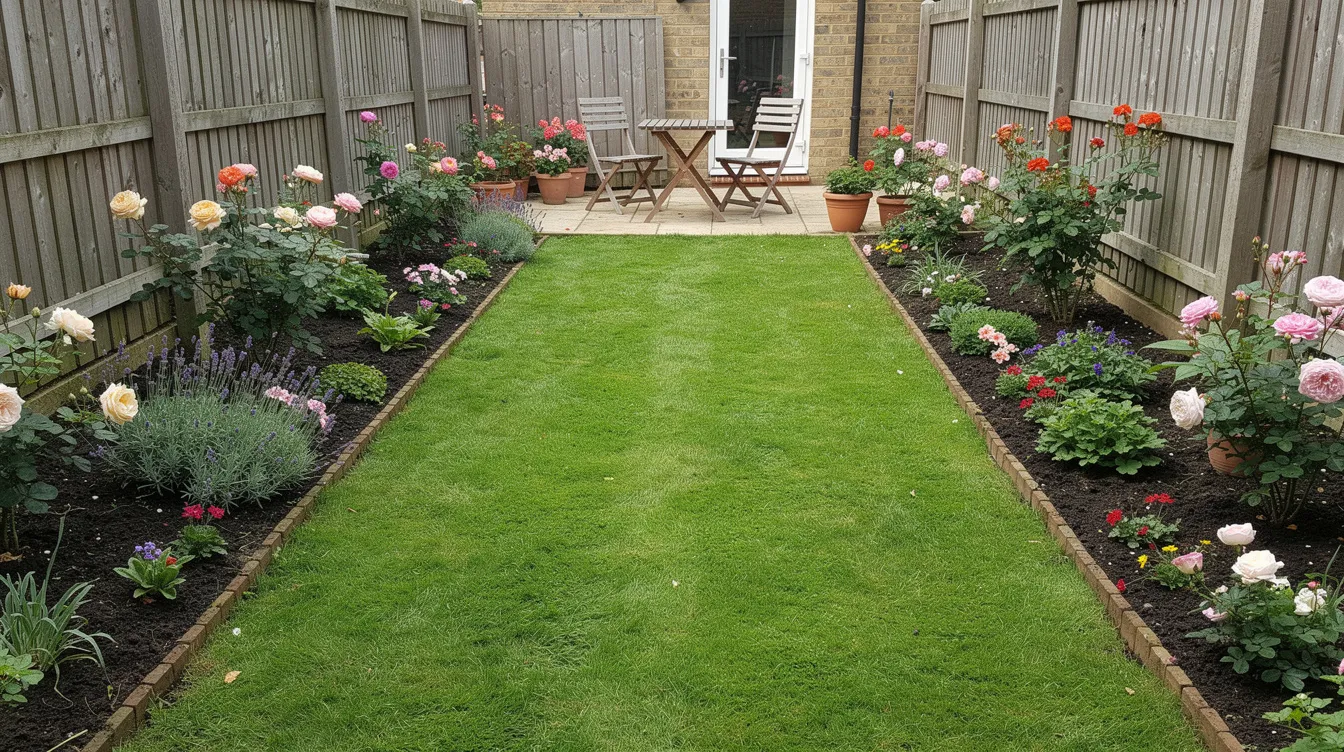
How We Chose the Best Turf Seeds
We evaluated each grass seed mixture against eight criteria that matter most for UK lawns:
-
Germination speed: How quickly seeds emerge in typical UK soil temperatures (above 8–10°C). Perennial ryegrass germinates in 5 to 10 days under ideal conditions, while fine fescues and kentucky bluegrass can take several weeks.
-
Weather tolerance: Performance through wet winters and variable British summers.
-
Wear durability: STRI trial ratings for foot traffic resistance and recovery.
-
Light performance: How each grass type handles full sun, partial shade, and deep shade.
-
Soil adaptability: Suitability for clay, sandy soils, and loamy conditions common across the UK.
-
Disease resistance: Resilience against fusarium, rust, and other common lawn diseases year round.
-
Value for money: Cost per square metre at standard sowing rates (new lawn approximately 35g/m²; overseeding approximately 25–30g/m²). For reference, a 7-pound bag of grass seed covers up to 2,800 square feet.
-
Authoritative backing: RHS recommendations, STRI data, and proven cultivar performance.
Choosing turf seed depends on local climate and soil type. No single variety wins across every category, which is exactly why we selected seven distinct types.
Best 7 Turf Seeds for UK Gardens
1. Premium Perennial Ryegrass Blend
Perennial ryegrass is the backbone of British lawns. This perennial grass establishes faster than any other cool season grass seed, producing a dense, hard wearing lawn that bounces back from damage quickly. Perennial ryegrass is common in high-traffic lawn mixtures for good reason.
Why It Stands Out
Perennial ryegrass is known for quick establishment, with quick germination often visible within a few weeks of sowing. Tetraploid Perennial Ryegrass has faster germination than standard rye, making modern blends like Turfix ProSelect Speed Germ viable even in cooler early or late-season soil temperatures. Excellent winter hardiness means it powers through British conditions without thinning.
Best For
High traffic lawns, family gardens, and sports areas. Perennial Ryegrass tolerates heavy foot traffic and thrives in sunny spots. A higher percentage of Dwarf Perennial Ryegrass is recommended for lawns with kids and pets, as Dwarf Perennial Ryegrass is fast growing and highly durable.
Key Strengths
-
Perennial ryegrass germinates quickly in 7 to 14 days
-
Superior wear tolerance rated highly in STRI trials
-
Thrives in cool, wet UK conditions
Possible Limitations
-
Requires regular watering in dry spells and consistent moisture during establishment
-
Less drought tolerant than fescue varieties
-
Ryegrass establishes quickly but requires more frequent mowing to prevent thatch
2. Fine Fescue Shade Mix
Fine fescue blends are the answer for shady areas where other grasses struggle and die. These seed mixtures combine creeping red fescue, chewings fescue, hard fescue, and sometimes sheep fescue to create a lawn that thrives under canopy cover with minimal effort.
Why It Stands Out
Fine Fescues thrive in low-light conditions where ryegrass simply can't compete. Research from Ohio State University confirms that shade tolerance varies significantly between cultivars, but as a group, fine fescue species consistently outperform other cool season grasses under reduced light. A higher percentage of Fine Fescues is preferred for shaded areas.
Best For
Gardens with trees, north-facing slopes, or limited sunlight. Chewings Fescue is fine-leaved and excellent for shade tolerance, making it essential in any shade-focused grass seed mix.
Key Strengths
-
Fine fescue blends thrive in shady areas and require less water
-
Low maintenance - Fine Fescues require less fertilizer and water compared to other grasses
-
Strong creeping red fescue delivers a dense root system for drought tolerance
-
Creeping red fescue germinates within 10 to 14 days
Possible Limitations
-
Slower to establish than ryegrass
-
Less tolerant of heavy foot traffic - fine texture suits lighter use

3. Kentucky Bluegrass Premium Mix
Kentucky bluegrass is known for its fine texture and dense growth, delivering the kind of striped, carpet-like finish that makes neighbours jealous. This grass type spreads via rhizomes, meaning it can fill in bare spots and repair itself over time.
Why It Stands Out
No other lawn seed creates quite the same ornamental finish. Kentucky bluegrass forms a dense lawn suitable for moderate traffic, with a beautiful dark green colour that holds through winter. The self-repairing rhizome network sets it apart from bunch-type grasses.
Best For
Front gardens and ornamental lawns where a lush green lawn appearance is the priority. Kentucky bluegrass forms a dense, attractive lawn that photographs beautifully.
Key Strengths
-
Dense, carpet-like growth habit
-
Beautiful dark green colour year round
-
Self-repairing through underground rhizomes that fill bare patches
Possible Limitations
-
Slower establishment - often 3–4 weeks before visible growth, sometimes longer
-
Higher maintenance requirements including regular feeding, watering, and mowing
-
Weaker in shade than fescue varieties
4. Tall Fescue Hard-Wearing Blend
Tall fescue is the workhorse of turf grasses. Modern turf-type cultivars retain the species' legendary toughness while offering a finer leaf blade than older varieties. Tall fescue is drought resistant and suitable for various climates, including the increasingly warm UK summers.
Why It Stands Out
Tall Fescue is highly drought resistant and stays green in dry conditions when other grasses go brown. Its deep root system pulls moisture from deep underground, giving it unmatched resilience. Tall fescue can handle heavy foot traffic effectively, making it ideal for heavy-use areas.
Best For
Dog runs, play areas, and commercial landscapes. Tall fescue tolerates drought and heavy foot traffic simultaneously - a combination few other grass species can match. A mix of tall fescue and perennial ryegrass is recommended for maximum durability. Tall Fescue and Perennial Ryegrass can also withstand wet conditions in clay soil.
Key Strengths
-
Exceptional drought tolerance thanks to deep roots
-
Handles compacted soil well
-
Excellent disease resistance
Possible Limitations
-
Coarser texture than fine fescue or bluegrass varieties
-
Slower to fill bare patches as it lacks rhizomes
-
Appearance is functional rather than ornamental
5. Fast-Germinating Quick Fix Blend
When you need to repair bare soil or rescue a tired existing lawn quickly, fast-germination blends deliver visible green in days, not weeks. These mixes typically contain a high proportion of perennial ryegrass, sometimes including annual ryegrass for immediate coverage.
Why It Stands Out
Fastest germination and visible results. Perennial ryegrass germinates in 5 to 10 days, and coated seed variants with moisture-retentive additives push establishment even faster. Some blends achieve lawn quickly even in borderline soil temperatures during early summer or autumn shoulders.
Best For
Emergency lawn repairs, patching bare spots, and quick garden makeovers. Overseeding can improve lawn density and health in thinning lawns.
Key Strengths
-
Germinates in 5–7 days under good conditions
-
Provides immediate ground cover on bare soil
-
Good for overseeding thin areas of an existing lawn
Possible Limitations
-
May require reseeding for a long-term lawn - annual ryegrass varieties won't survive multiple winters
-
Fast growth means more frequent mowing in the first few weeks
-
Less fine texture than specialist mixes
6. All-Purpose Family Lawn Mix
The all-purpose family lawn mix is the best grass seed choice for gardeners who want a reliable, good-looking lawn without specialising for one extreme condition. These balanced blends typically contain 50–70% perennial ryegrass plus red fescue species and sometimes a proportion of meadow grass. Smooth-stalked Meadow Grass and Bentgrass can also persist in damp soil conditions, adding versatility.
Why It Stands Out
Blending different grass types improves lawn resilience and appearance. This grass seed mixture balances speed, durability, shade tolerance, and aesthetics into a single bag that handles the mixed conditions found in most UK gardens.
Best For
General family gardens with mixed sun and shade areas, moderate traffic, and average soil conditions. Perennial ryegrass is ideal for high-traffic lawns, while the fescue components handle the shadier corners.
Key Strengths
-
Adaptable to various light and soil conditions
-
Moderate maintenance requirements
-
Good year round performance and good value for most situations
Possible Limitations
-
Not specialised for extreme shade, drought, or ornamental finish
-
May be outperformed by dedicated mixes in specific situations

7. Drought-Tolerant Eco Mix
With UK summers trending hotter and drier, drought-tolerant eco mixes are gaining popularity fast. These blends lean heavily on hard fescue, sheep fescue, and sometimes tall fescue cultivars selected for minimal water needs. Fine Fescues and Kentucky Bluegrass also thrive in nutrient-poor, drought-prone environments.
Why It Stands Out
Lowest water requirements once established. Deep-rooting grasses are essential for warm climates with low water availability, and these mixes deliver exactly that. Fescues grow more slowly but survive long dry spells better than ryegrass, maintaining a healthy grass stand through water restrictions.
Best For
Water-conscious gardeners, naturally dry sandy soils, and south-facing gardens in full sun. Fine fescues require less water and fertilization than most other cool season grass seed options, making this a genuinely low maintenance choice.
Key Strengths
-
Excellent drought resistance through a deep root system with strong roots
-
Reduced watering needs - a sustainable choice with many benefits
-
Lower fertiliser input required
Possible Limitations
-
Longer establishment period - expect several weeks before full coverage
-
May go dormant in extreme heat (but recovers when rain returns)
-
Warm season grasses aren't viable alternatives in the UK, so these cool-season drought mixes are the best option available
Quick Comparison of the Best Turf Seeds
-
Premium Perennial Ryegrass - Best for high-traffic areas and fast germination
-
Fine Fescue Shade Mix - Best for shaded gardens and low maintenance lawns
-
Kentucky Bluegrass - Best for luxury ornamental lawns with a fine texture finish
-
Tall Fescue - Best for extreme wear conditions and drought tolerant situations
-
Fast-Germinating Mix - Best for quick results on bare patches and bare spots
-
All-Purpose Family Mix - Best for general use across mixed garden conditions
-
Drought-Tolerant Eco Mix - Best for water conservation and minimal effort upkeep
How to Choose the Right Turf Seed
Every garden presents a unique combination of light, traffic, and soil. Here's how to match your lawn seed to what your garden actually needs.
Choose Based on Your Garden's Light Conditions
-
Full sun (6+ hours): Perennial ryegrass or kentucky bluegrass blends perform best
-
Partial shade (3–6 hours): All-purpose mixes with a strong fescue component
-
Deep shade (under 3 hours): Fine fescue shade mixes - nothing else comes close
Grass should be mowed to a height of 2.5 to 4 inches, and shaded lawns benefit from mowing at the higher end to capture more light.
Choose Based on Expected Foot Traffic
-
Light use: Fine fescue or ornamental bluegrass blends
-
Family use: All-purpose or perennial ryegrass blends - hard wearing options that recover well
-
Heavy foot traffic: Tall fescue or dedicated ryegrass blends for a hard wearing lawn. Tall fescue can tolerate drought due to its deep roots while simultaneously handling wear
Choose Based on Your Soil Type
-
Clay soil: Tall Fescue and Perennial Ryegrass can withstand wet conditions. Ensure good drainage before sowing
-
Sandy soils: Fine fescue and drought-tolerant mixes thrive in free-draining conditions. Strong Red Fescue is drought tolerant and provides a dense root system
-
Loamy soil: Almost any grass seed mix will perform well - choose based on light and traffic instead
Which Option Is Best for You?
-
Choose Premium Perennial Ryegrass if you need rapid establishment and high durability
-
Choose Fine Fescue Shade Mix if your garden lacks direct sunlight
-
Choose Kentucky Bluegrass if appearance is your top priority
-
Choose Tall Fescue if you need drought resistance and can accept a slightly coarser blade
-
Choose Fast-Germinating Mix if you need to fix your lawn quickly before an event or season
-
Choose All-Purpose Family Mix if you want a single bag that handles everything reasonably well
-
Choose Drought-Tolerant Eco Mix if sustainability and low water use drive your decisions
Final Thoughts
The best turf seed for your garden depends on your specific conditions - not marketing claims on the bag. Match your grass seed to your light levels, traffic patterns, and soil type, and you'll build a green lawn that lasts.
Timing matters as much as seed selection. The best time to sow grass seed is autumn, when soil is still warm and rainfall is reliable. Spring is your second-best window, though weed seeds compete more aggressively. Whichever season you choose, grass seed should be kept moist during the first few weeks of germination - this single step makes more difference than any product upgrade.
Proper soil preparation is non-negotiable. Whether you're laying turf or sowing a new lawn from seed, clearing debris, aerating compacted ground, and ensuring seed-to-soil contact on bare soil will determine your success rate. Consider using mycorrhizal fungi at sowing time to support strong roots and faster establishment.
If you're ready to transform your lawn from patchy to pristine, the GREENER Lawn Transformation Kit gives you everything you need for a complete renovation - paired with the right seed for your garden, it's the fastest route to a lush green lawn you'll actually want to spend time on.
If your lawn is patchy, thin or struggling to establish, seed selection is only half the equation. The GREENER Lawn Transformation Kit gives you the complete system — professional-grade treatments sequenced in the right order, including LAUNCH grass seed selected specifically for UK conditions, GROWTH granular fertiliser with mycorrhizal fungi to support germination from day one, and BOOST liquid seaweed biostimulant applied immediately after sowing. No guesswork. No wrong order. Just a thicker, greener lawn in 2–4 weeks.
Use code GREENER899 for £8.99 off your first order.


