


The right lawn grass feed can be the difference between pale, patchy turf and a healthy green lawn that can handle mowing, rain, pets, children and summer use. Here is how to choose lawn feed by season, lawn size and common UK problems like weeds and moss.
Quick Answer: The Best Lawn Feed for Most UK Gardens in 2026
For a typical UK family lawn of 100–250 m², choose a slow release granular fertiliser with weed and moss killer if the lawn is tired after the wet 2025–2026 winter.
-
For most gardens, a slow release lawn fertiliser around 20-5-8 or 20-5-10 NPK with iron sulphate is the best early spring choice to promote healthy growth, new growth and greener grass.
-
The best lawn feeds use a high-nitrogen formula combined with iron and magnesium to promote healthy growth and a deep green color.
-
Small city lawns under 80 m² often suit liquid feeds or liquid fertilisers because they are fast acting and can show results in 3–5 days.
-
Granular feeds, especially slow release granules, are better for larger lawns because they spread nutrients over 6–12 weeks.
-
Heavy moss needs a combined feed weed & moss killer, not just plain plant food.
How Lawn Feed Works: The Science Behind Greener Grass
Lawn feed, lawn fertiliser or lawn food replaces essential nutrients lost when you mow, when rain leaches soil, and when grass uses food for growth.
-
Every fertilizer displays an NPK ratio representing the percentages of three primary macro-nutrients: nitrogen, phosphorus, and potassium. A 22-5-10 fertiliser has 22% nitrogen, 5% phosphorus and 10% potassium.
-
Nitrogen promotes rapid, lush green top-growth and leaf development, which is why spring feed is high in nitrogen.
-
Phosphorus stimulates strong, deep root establishment and supports root development, especially after grass seed.
-
Potassium builds overall turf resilience against frost, drought, and disease.
-
Iron is vital for chlorophyll creation and hardens turf against winter diseases.
-
Iron sulphate can be used effectively at dosages of 100g to 400g per 100 square meters for greening up lawns and controlling moss, but should be applied with caution in cooler weather.
-
A healthy lawn shades soil, leaving fewer gaps where weed seeds, weeds and moss can thrive.
Best Lawn Feed Types (Granular vs Liquid vs Organic)
There are three main lawn fertilisers to explore: granular, liquid, and organic or mineral-organic feeds. Each can deliver exceptional results if matched to the garden.
-
Granular lawn feed is ideal for medium and larger lawns. Apply it with a spreader; many turf fertilisers with moss killer come in this form and last 6–12 weeks.
-
Lawn feeds can be categorized into fast-acting feeds, which show results within 24 hours, and slow-release feeds, which provide nutrients over a longer period, typically 6-8 weeks.
-
Moowy slow-release granules are designed to last for about 60 days, making them suitable for busy gardeners or those with large lawns.
-
Liquid lawn feed is useful before guests arrive or when the patio view needs quick colour. Apply liquid with a watering can or sprayer; it greens quickly but lasts less time.
-
Organic feeds utilize plant- or animal-derived materials instead of synthetic chemicals, improving long-term soil quality and being safe for children and pets.
-
Specialist feed weed products combine lawn feed, selective weedkiller and iron sulphate. AfterCut 4-in-1 is recommended as one of the best all-in-one lawn feed products, particularly for maintaining a healthy lawn without the need for additional treatments.
-
You will find multiple variants, from miracle gro products to seaweed options, so search the range before adding anything to basket.
Seasonal Lawn Feeding Calendar for UK Lawns
Timing matters as much as product. Most lawn feeds should be applied during the growing season, which runs from spring through to autumn.
-
Early spring: Spring and autumn are the most important times to feed your lawn, promoting new growth early in the year and preparing the grass for winter. Spring lawn feed is applied in early spring, once the weather starts to warm up, and is high in nitrogen to promote strong leaf growth.
-
April–August: High-nitrogen fertilizers should be applied between April and August for grass in the active growth phase. Cool-season grasses thrive in temperatures between 15°C and 24°C, with primary growth spurts in spring and autumn.
-
Summer: Use balanced or slow release lawn fertilisers to maintain healthy growth without forcing soft growth. Do not feed during drought, hosepipe bans or heat stress.
-
Autumn: Autumn lawn feeds help to prepare the grass for winter by promoting root growth and hardening leaf blades to cope with icy temperatures. Low-nitrogen, high-potassium fertilizers are recommended for autumn and winter to strengthen roots without promoting new top growth.
-
Winter: Both grass types should not require standard nutrient feeding during winter months. For moss-prone lawns, specialized treatments high in iron and very low in nitrogen can suppress moss without promoting growth in freezing temperatures.
-
Warm-season grasses thrive in temperatures between 27°C and 35°C, growing aggressively in mid-summer and dormantly turning brown in winter.
-
Seasonal lawn feeds are designed to meet the specific needs of grass during different times of the year, with spring feeds being high in nitrogen to promote growth and autumn feeds being high in potassium and phosphates to prepare the grass for winter.
-
When lawns are dormant or stressed, improper feeding can burn the lawn, waste nutrients, or encourage disease.
How to Apply Lawn Feed Properly (Step-by-Step)
Most damage comes from poor application, not the feed itself. Even coverage is essential.
-
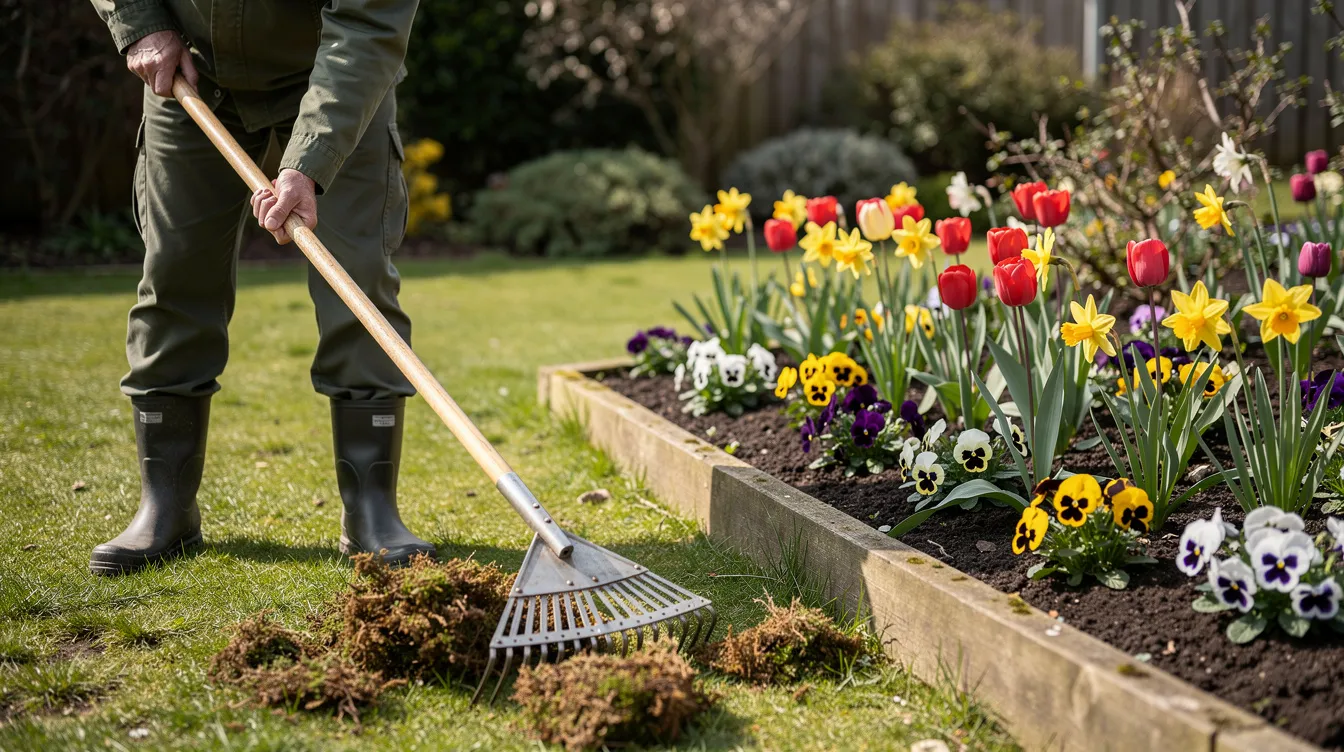
Preparation: mow 2–3 days before feeding, rake leaves, and lightly scarify if thatch blocks contact with soil.
-
Tools: use a rotary or drop spreader for granules, especially over 100 m². Use a watering can with rose or hose-end sprayer for liquid feeds.
-
Application: apply to damp soil and dry grass on a calm day. If rain is not forecast, water in within 48 hours.
-
Safety: keep children and pets off the lawn until granules dissolve and the grass is dry. Granulated lawn feeds can pose a risk if ingested by children or pets, as they may get caught between toes or swallowed, so caution is advised when using these products.
-
Avoid overlap: double passes cause dark stripes, scorch and uneven green colour.
Dealing with Weeds and Moss: Feed, Weed & Moss Killer Explained
Weeds and moss often signal an under-fed, compacted lawn. Feeding plus targeted control works better than weedkiller alone.
-
Weed control: weed and feed products combine fertilization with weed control, typically containing high levels of nitrogen and potassium, and are effective from March to September.
-
Moss control: moss killer lawn feeds use iron sulphate to blacken moss. Rake out dead moss, then overseed bare areas with quality grass seed.
-
Timing: use combined feed weed & moss killer from April to September on actively growing grass, avoiding hot or dry spells.
-
Aftercare: after heavy moss removal, a gentle fertiliser and new grass seed help the turf thicken and out-compete future moss.
Family, Pets and Environmental Considerations
Modern lawn care products are generally safe when used correctly, but labels and waiting times matter.
-
Lawn feeds are generally considered safe for children and pets once the surface has dried, but it is advisable to check the product label for specific safety instructions.
-
Seaweed extract lawn feeds are safe for children and pets even when wet, but it is recommended to allow the lawn to dry before allowing access.
-
Avoid applying feed before heavy rain; nutrients can wash into drains and streams, wasting money and harming waterways. DEFRA has discussed fertiliser reform in relation to nutrient pollution.
-
Follow the rate on the pack to maintain living soil, healthy roots and resilient plants.
Common Lawn Feeding Mistakes to Avoid
Patchy lawns often come from repeatable errors that are easy to prevent.
-
Feeding too often: causes soft, lush growth, more mowing and disease risk.
-
Using high nitrogen in drought: burns turf and wastes nutrients.
-
Overlapping spreader passes: creates stripes and scorch.
-
Feeding frozen or waterlogged lawns: increases runoff and root stress.
-
Skipping autumn feeding: weak roots, poor winter resilience and more moss in spring.
-
Choosing the wrong season: autumn is one of the important times because potassium helps strong roots before cold weather.
Choosing Lawn Feed for New Lawns and Overseeding
New lawns seeded or turfed in 2025–2026 need gentler feeding than established grass because tender roots burn easily.
-
New lawns from seed: use a low-nitrogen, phosphate-rich starter lawn fertiliser 4–6 weeks after germination, once the first mow has been done.
-
New turf: wait until turf has rooted firmly, typically 3–4 weeks after laying in UK spring conditions, then apply a light balanced feed.
-
Overseeding: after scarifying and raking moss, apply a light lawn fertiliser and quality grass seed to encourage density.
-
Avoid strong feed weed products on young grass until the lawn is established, usually after its third or fourth cut.
Frequently Asked Questions About Lawn Grass Feed
Here are common UK homeowner questions from recent seasons.
-
How often should I feed my lawn? Usually 2–4 times a year, depending on product, use and expectations for the perfect lawn.
-
Can I use all-purpose plant food on my lawn? You can, but dedicated lawn feeds have nitrogen ratios designed for turf, not flowers or general plants.
-
Why is my grass still yellow after feeding? Cold soil, under-watering, compaction, poor roots or the wrong pH can stop nutrients being used.
-
Do I still need lawn feed if I use premium grass seed? Yes. Premium seed gives potential; ongoing nutrients help it maintain healthy growth year round.
-
What should I buy first? Explore a lawn fertilisers range that suits lawn size, moss level, pets, children and season. That choice will make the biggest difference.


