


Key Takeaways
-
You can get the perfect lawn on an existing lawn in one growing season (April–September) by combining aeration, overseeding with quality grass seed, and seasonally timed lawn feed.
-
Achieving a perfect lawn requires proper soil preparation and maintenance - healthy soil, the right lawn seed, and consistent mowing and watering habits apply whether you are renovating or starting a new lawn.
-
GREENER's Transformation Kit bundles weed control, feed, and seed into one plan with date-based instructions, so you never have to guess what comes next.
-
This guide is UK-focused: real soil temperature ranges (8–10°C for seeding), realistic mowing heights, and advice shaped by typical British weather patterns.
Introduction: What a "Perfect Lawn" Really Looks Like
Picture a dense, emerald-green garden lawn in June - even coverage from fence to fence, no bare patches, and barely a dandelion in sight. That is not a fantasy reserved for bowling greens. A perfect lawn simply means turf that looks lush from April to October, handles kids and pets, and does not demand daily attention. It rests on three pillars: soil health, the right grass seed, and consistent seasonal maintenance. Below is a step-by-step plan for both an existing lawn and a new lawn, so you can create the lawn you actually want this season.
Step 1: Assessing Your Existing Lawn (or Bare Ground) Properly
Before buying anything, spend 10–15 minutes walking your garden in early spring (late March to April) or early autumn. Look for bare patches, heavy moss growth, compacted paths where water puddles after rain, and clusters of lawn weeds like dandelions or clover. Do a simple compaction test: push a garden fork 10–15 cm into the soil. If it is difficult, you need to aerate. Map shade too - note which areas are shaded at 9 am, midday, and 3 pm, because this guides your grass seed choice later. Lawn care requires a seasonal approach tailored to local weather, and this assessment is where it starts. GREENER's Transformation Kit works on both tired existing lawns and almost-bare ground, provided there is soil contact for the seed.
Step 2: Preparing the Perfect Seedbed
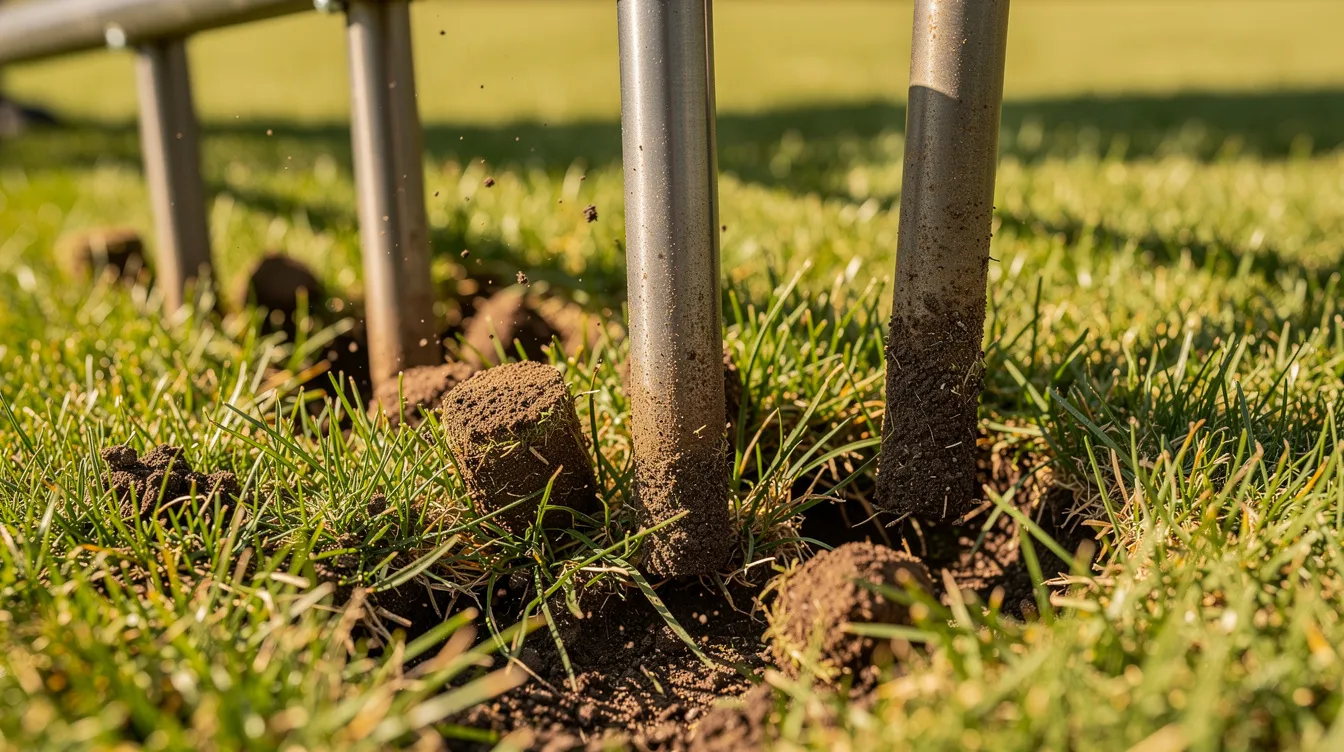
Even if you are not starting from scratch, treat the surface like a seedbed before overseeding or feeding. Hand-weed larger plants including the taproot, then rake or scarify to remove dead grass, thatch, and moss. Scarifying removes thatch and moss from the lawn, and clearing debris helps improve airflow to prevent disease. Level the surface by raking to a fine, crumbly top 1–2 cm, removing stones so seed sits against soil. Soil preparation includes aeration and adding high-quality topsoil where needed. Top dressing with compost or organic matter improves lawn appearance and health, especially on heavy clay. Aeration introduces air to compacted soil, improves water and nutrient efficiency for grass roots, improves air circulation and root development, and reduces moss growth in lawns. Aerate lawns before applying spring or autumn feed, and aim to aerate every 1–3 years for best results. Apply a light, balanced pre-seed fertiliser 7–10 days before sowing to charge the soil with nutrients.
Step 3: Choosing the Right Grass Seed
Not all grass seed is equal. Choose grass seed based on soil type and lawn usage. Hard-wearing grass seed suits lawns used by kids or pets - a ryegrass-dominant blend germinates in 5–7 days and recovers quickly from wear. Specialist grass seed mixes benefit shaded or clay soil areas; fine fescue blends handle drought and low light far better. Your soil type matters: clay soils benefit from deep-rooting species for better drainage, while sandy soils need mixes that cope with summer drought. For most readers who simply want to get the perfect lawn quickly, a high-quality multi-purpose mix - like the one in the Transformation Kit - is the safest option. Sow grass seeds when temperatures are 8–10 degrees Celsius for reliable germination.
Step 4: Sowing Grass Seed – Existing Lawn vs New Lawn
Timing is everything. The ideal UK sowing windows are mid spring (mid-April to late May) and early September to early October, when the weather warms the soil above 8°C and moisture is reliable.
For an existing lawn, overseed at around 25–35 g per square metre after scarifying. Rake lightly so seed touches soil, then water gently. Overseeding in autumn fills in thin areas of the lawn, and an annual spring or autumn overseed keeps the sward thick enough to crowd out weeds.
For a new lawn on bare ground, rake to a fine tilth, sow at roughly 70 g per square metre, rake in, and lightly firm the surface. Protect seedlings from birds with temporary netting or sow just before expected light rain. Soil must stay moist for the first 2–3 weeks - water new lawns every 7 to 10 days in dry weather, or more often on a dry day if there is no rain. Gradually reduce watering as grass grows past 4–5 cm and roots establish. The Transformation Kit instructions include clear overseeding rates and watering schedules so beginners never have to estimate.
Step 5: Watering and Feeding – Building Deep Roots
Water deeply and infrequently to encourage deep root growth. Established lawns need roughly 20–25 litres per square metre about once a week during summer drought, rather than light daily sprinkling. Test moisture by pushing a screwdriver 10–15 cm into the soil - if it slides in easily and feels cool, watering is adequate. Raising the mower height also reduces moisture loss during summer.
Spring is the best time to fertilize lawns. Use a high nitrogen fertiliser in late March–April for leafy growth, a second feed in late May–June, and apply a potassium-rich fertilizer in autumn to strengthen roots. Apply autumn fertilizer when soil is moist but grass is dry. Fertilizing helps prevent weeds and moss in lawns, and using slow-release fertilizers ensures a consistent nutrient supply without the scorch that too much nitrogen causes. Avoid excessive feed weed products that push soft growth at the expense of resilience. Leave some short grass clippings on the lawn during peak growing season as natural mulch - they return nutrients to the surface - but collect grass cuttings when you cut long grass to prevent dead material buildup.
Step 6: Mowing for a Thick, Striping-Ready Lawn
Grass should not be cut more than one-third of its blade height at a time - this is the golden rule. Set mower blades to 40mm for the first spring cut, then maintain between 3 cm and 10 cm depending on the season: around 4–5 cm for a family lawn, 3–4 cm for a formal look. Mowing height should never drop below 2.5 cm unless you are maintaining a show lawn.
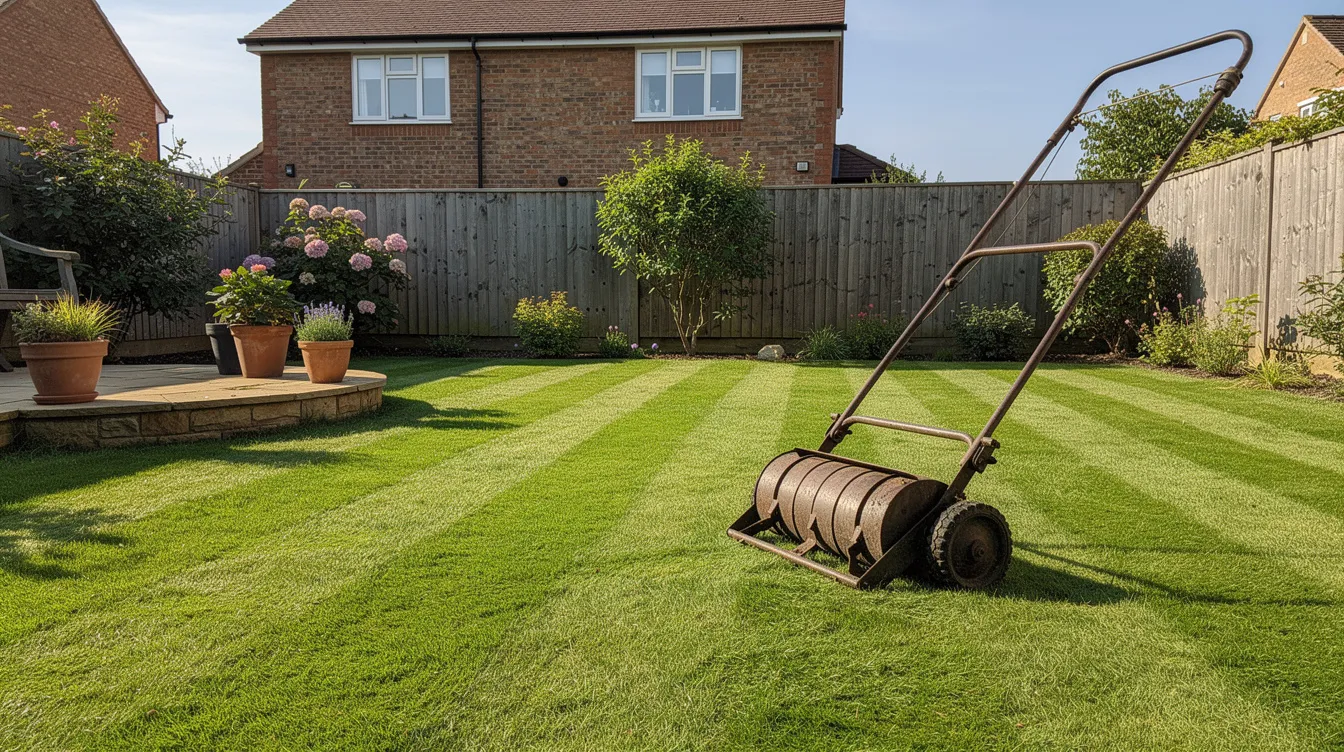
Mow every 14 days in spring and weekly in summer. Regular mowing prevents weeds and promotes strong growth. Mow in opposite directions each time for better results and to avoid grain. Use a roller mower for nice stripes on the lawn. Keep blades sharp - blunt blades tear grass, inviting disease. For lawns undergoing transformation, keep the first few cuts slightly higher to protect new seedlings. When a lawn loses vigour in late summer heat, raise the cut height. Once growth slows in autumn, gradually reduce frequency and stop mowing when the grass goes dormant in winter.
Step 7: Dealing with Lawn Weeds, Moss and Other Problems
Dense turf is the best defence against weeds and moss. Regular maintenance helps keep weeds and pests at bay. Weeds can be dug out individually, removing the tap root with a daisy grubber. Use a moss and weedkiller if necessary for control when coverage is heavy - but always fix the cause. Moss thrives in damp, poorly drained lawns with shade and compaction. Aeration improves drainage and reduces moss growth; brushing in sharp sand and pruning overhanging branches helps you work toward a moss free lawn. A moss killer applied in early spring before scarifying lifts dead moss so you can rake it away.
Common lawn pests like chafer grubs and leatherjackets cause spongy turf, yellowing, and birds pecking at the surface. Biological nematodes applied when soil is warm remain the safest treatment. GREENER's approach fixes causes - soil health, density, drainage - alongside any treatments, which is why the Transformation Kit pairs feed, weed control, and overseeding.
Step 8: Seasonal Lawn Routine – Keeping It Perfect All Year
Spring (March–May): Scarify, aerate compacted areas, apply your first high-nitrogen feed, and overseed thin patches once soil hits 8–10°C. Start regular mowing once growth begins.
Summer (June–August): Mow little and often, water deeply during dry spells, and spot-treat lawn weeds as they appear. Keep plants and grass healthy by not over-fertilising in peak heat.
Autumn (September–October): Final overseed of worn areas, an autumn feed higher in potassium to build root strength, and another round of aeration if the lawn is heavily used. Spread a thin layer of topsoil or compost as a top dressing to maintain soil structure.
Winter (November–February): Safety precautions during winter include avoiding walking on frozen grass. Keep leaves off the surface, maintain good air flow, and plan any major renovation for early spring.
Step 9: When to Use GREENER's Transformation Kit
If your lawn is patchy after a hot summer, dominated by coarse grass and weeds after years of neglect, or never truly green despite effort, the Transformation Kit acts as a reset button. It combines weed control, tailored nutrition, and overseeding in one sequence with simple, date-based instructions. The best time to start is April–May or September, when soil temperatures support fast recovery and grass can flourish before extremes hit.
Get the Transformation Kit here and check the sizing guidance to match it to your lawn area.
Our Final Thoughts on Achieving the Perfect Lawn
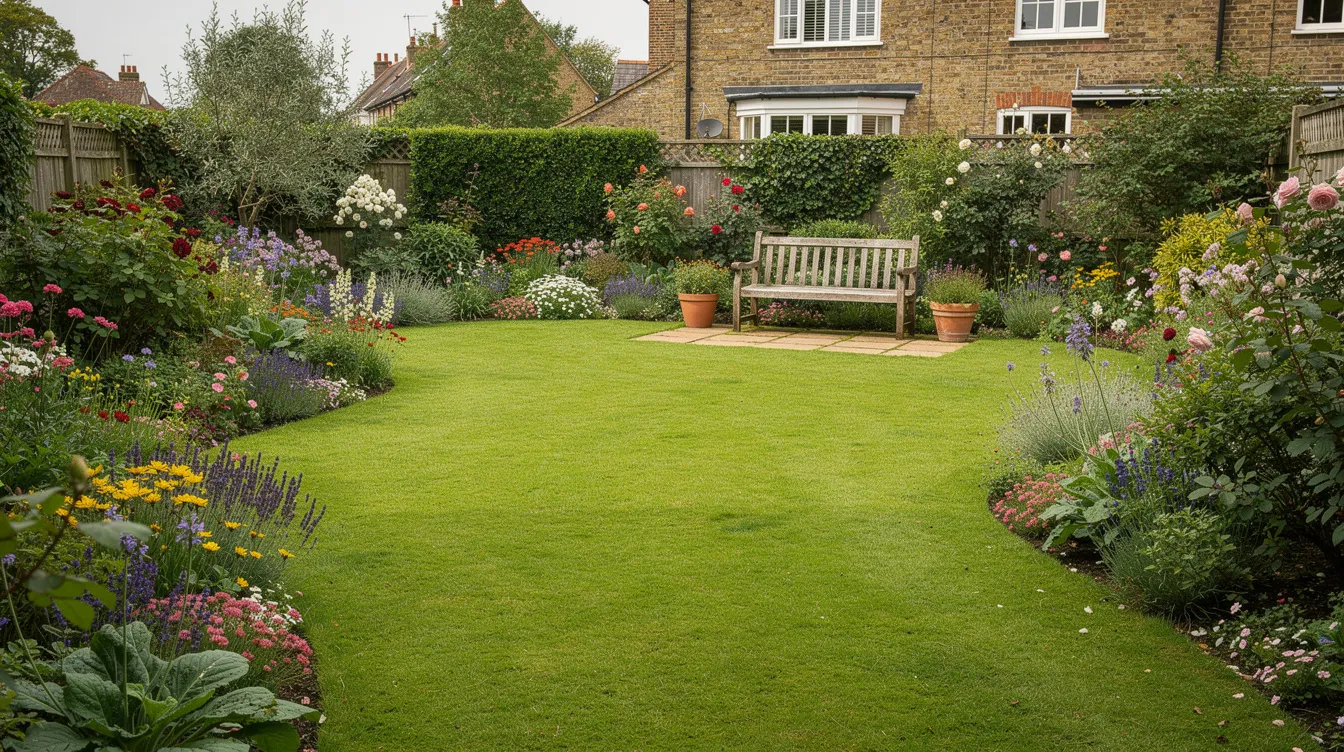
A perfect lawn is the result of consistent small actions: prepare the soil, choose the right grass seed, feed and water sensibly, and mow correctly. Even very tired lawns show visible improvement within 3–6 weeks during the growing season. GREENER's role is to simplify the process so you do not need to become a turf professional to enjoy a lush, green garden. Pick a start date this season, commit to following the plan for 8–12 weeks, and watch your lawn flourish.
FAQ: Perfect Lawn Questions You Didn't Know to Ask
How long does it really take to get a noticeably better lawn?
In typical UK conditions from April to September, most lawns show visible improvement - greener colour, fewer bare patches - within 3–4 weeks of proper feeding and overseeding. A full transformation with thick, even coverage usually takes a full growing season (around 6 months) of consistent care. The Transformation Kit is structured around this realistic timeframe, not overnight fixes.
Should I start again with a new lawn or improve my existing lawn?
Most homeowners do not need to strip turf and start from scratch. Overseeding and renovating an existing lawn is faster, cheaper, and less disruptive. Consider a completely new lawn only when more than 70–80% is weeds or coarse grass, or the surface has serious drainage problems. The same principles - soil prep, grass seed choice, feeding - apply either way.
Can I still get a good lawn if I have kids and dogs using it every day?
Absolutely. Choose a durable, hard-wearing grass seed mix and stick to a regular mowing and feeding schedule. Rotate play zones, repair high-wear goalmouths with extra overseeding, and water urine spots quickly in warm weather. The Transformation Kit is aimed at real-world lawns that handle play, parties, and pets.
Is it worth doing lawn care if my soil is heavy clay or very sandy?
Both heavy clay and very sandy soils can support a perfect lawn. Clay needs aeration and organic matter to improve drainage; sandy soils need more frequent light feeding and careful watering to retain moisture. Adjust aeration frequency and watering depth to your soil type and you will see results.
What is the single most important habit for keeping my lawn perfect?
Regular, correct mowing is the number one habit. Sticking to the one-third rule and a consistent height keeps the sward dense and resilient. The second key habit is an annual overseed in spring or autumn to prevent the lawn thinning and letting weeds back in. Set simple calendar reminders aligned with your feeding schedule to stay on track effortlessly.


