


A brown, lifeless-looking lawn doesn't always mean it's time to rip everything up and start over. In most cases, what looks like a dead lawn is actually stressed turf waiting for the right conditions to recover. This guide walks you through exactly how to diagnose, repair, and prevent dead patches so your garden can return to its former glory.
Key Takeaways
Before you grab the spade, here are the essentials:
-
Most brown grass in the UK is dormant, not dead. Drought, heat, and winter stress send grass into survival mode. Dormant grass can recover with proper watering once conditions improve.
-
Genuinely dead patches must be removed and reseeded. If grass is brittle and brown down to the root, crumbling when tugged, watering alone cannot restore completely dead grass areas.
-
Follow a simple 3-step test-and-repair plan: perform a tug test and water test on suspect patches, rake out dead thatch, then overseed bare patches with fresh grass seed.
-
GREENER's Transformation Kit provides the seed, feed, and step-by-step instructions needed to repair dead patches and bring a tired lawn back to life.
Reviving a "Dead" Lawn: The Quick-Start Plan
If your lawn looks dead right now, here's what to do immediately:
-
Diagnose: determine whether you're dealing with dormant grass or grass dead to the roots (tests below).
-
Water test: soak a 1 m² area deeply every other day for 8–10 days. Consistent watering helps revive brown grass showing signs of life.
-
Rake out: remove dead thatch and debris with a spring-tine rake.
-
Overseed: scatter grass seed into bare patches and lightly rake in.
-
Feed and maintain: apply a balanced feed and water the lawn regularly.
The best times for lawn restoration are early spring or autumn. If it's between March and October 2026, you can begin repairs with seed. In winter, focus on prep and reseed as soon as soil is consistently above ~8°C. Water dormant grass to help it recover after drought-a brown lawn will usually show visible greening within 10–21 days during growing season if treated correctly.
Is My Lawn Dead or Just Dormant?
This distinction decides everything. Treat dormant grass like dead turf and you waste money on unnecessary renovation. Ignore truly dead patches and no amount of water will bring them back.
Visual checklist:
|
Feature |
Dormant Grass |
Dead Grass |
|---|---|---|
|
Blade colour |
Brown/yellow on top, green at base |
Straw-coloured right down to soil |
|
Roots |
White, flexible, moist |
Dark, brittle, crumbly |
|
Tug test |
Resists pulling |
Pulls up easily in handfuls |
|
Response to water |
Greens up within 7–14 days |
No change after 8–10 days |
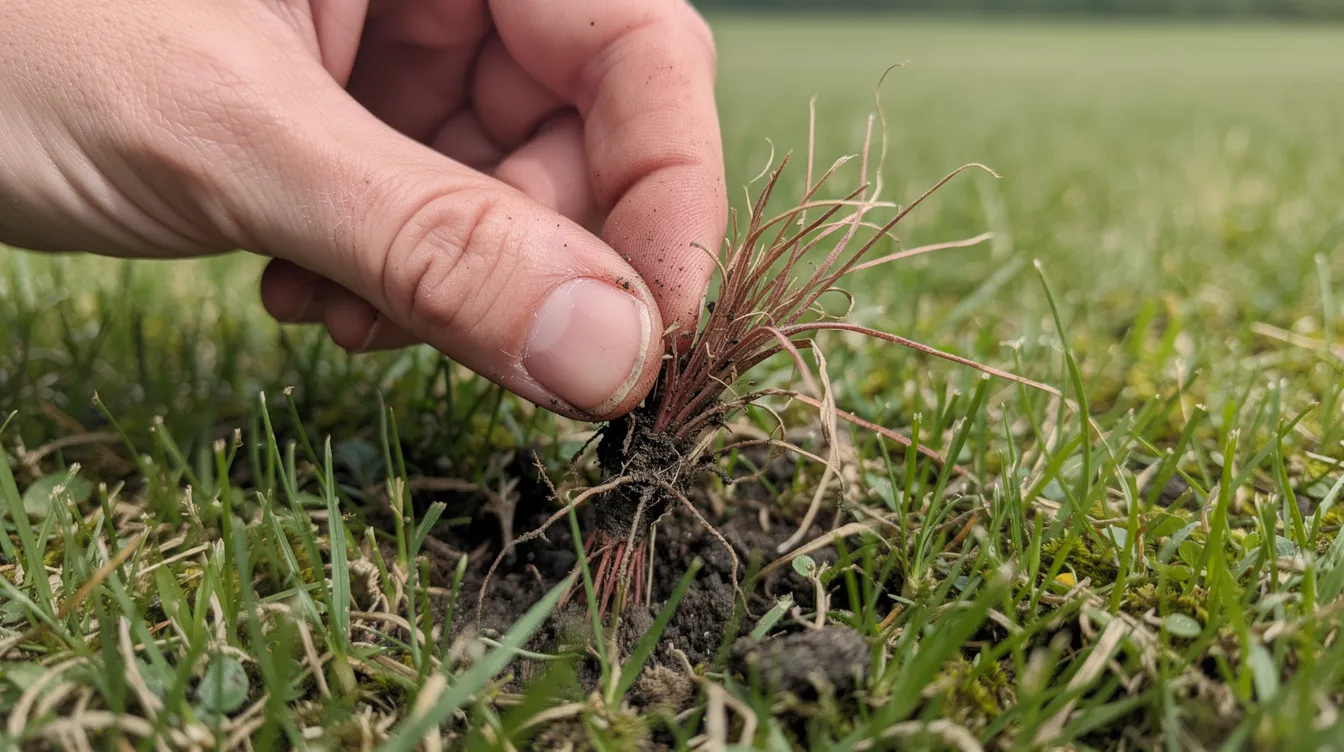
Dormant grass retains green color at the base of the blades. Dead grass is brittle and easy to pull from the soil-tugging dead grass allows it to be easily pulled, often in clumps. Dormant grass can recover with proper watering after drought.
To confirm, run a water test: choose a 1 m² patch, water deeply every other day. Watering for 8 days can help determine grass condition. If nothing greens up, those patches are likely dead.
Common UK causes of dormancy include late-summer drought and heatwaves (like July 2025) or winter frosts. Causes of truly dead patches include pet urine, fuel spills, severe soil compaction, chafer grubs, and leatherjackets.
Common Reasons Grass Turns Brown or Dies
A dead lawn is usually caused by drought, soil compaction, or pest infestations. Common causes of lawn death also include disease. Here's a breakdown:
-
Drought and hot weather: Extended dry spells of 3–4+ weeks with little rain cause widespread brown patches. Drought and lack of water cause grass to turn brown and dormant during these periods-but most of it is recoverable.
-
Waterlogging and poor drainage: Soggy patches after autumn rainfall starve roots of air, encouraging moss, thinning, and eventual dead patches in damp weather.
-
Soil compaction: On older lawns or high-traffic areas, compacted dirt prevents water and nutrients reaching roots, producing thin, weak grass and bare patches.
-
Nutrient-poor soil: Years without feeding, very sandy or very clay soils, and stubborn weeds all point to poor soil health. Pale, slow-growing grass is a classic sign.
-
Pet and chemical damage: High nitrogen concentrations in pet urine can create circular dead patches with bright green rings. Sharp-edged dead spots from spilled fertiliser, weedkiller, or petrol from a mower are also common.
-
Pests and disease: Leatherjackets and chafer grubs create spongy turf that birds peck up, while fungal diseases leave irregular dead patches in shaded or poorly ventilated areas.
Step-by-Step: Bringing a "Dead" Lawn Back to Life
Repair is a process over a few weeks, not days. Consistency matters more than perfection. The sequence: clear debris, improve soil contact, reseed, feed, then maintain. If only isolated patches are grass dead, focus there. If over 50% is gone, consider full renovation.
Choose a dry, frost-free period in spring or early autumn for the best results with grass seed.
Preparation: Clearing Dead Grass and Thatch
Before new seed can establish, you need to remove dead grass, moss, and debris. Scarifying removes thatch and improves lawn health by opening up the soil surface. Scarifying also removes thatch, improving air and nutrient access to roots.
-
Cut the grass slightly shorter than usual (but avoid scalping) before scarifying.
-
Rake vigorously with a spring-tine rake or electric scarifier, piling material for compost.
-
Dethatching is necessary if the layer of dead grass exceeds half an inch. Regular dethatching can prevent excessive thatch from blocking water access to the soil.
-
After a heavy scarify, the lawn looks worse for 1–2 weeks-patchy and ragged-but this opens the environment for new growth.
-
Where dead patches pull up in clumps, remove all loose material to expose bare soil ready for reseeding.
Improving Soil and Fixing Bare or Dead Patches
Soil condition directly determines how well new grass seed will germinate. Healthy soil supports resilient grass against pests and diseases, while soil compaction limits water absorption and nutrient availability.
-
Break up compacted areas with a garden fork, pushing tines 8–10 cm deep every 10–15 cm to aerate the soil. Aeration improves air, water, and nutrient flow to grass roots.
-
Brush a thin layer of quality topsoil or lawn dressing into the holes and across bare patches. Adding organic matter like compost enhances soil structure and fertility.
-
Lightly level and firm the surface with the back of a rake-flat but not rock-hard.
-
Conducting a soil test reveals nutrient deficiencies or pH imbalances, helping you target exactly what your soil needs.
-
In very sandy or clay soils, repeating light topdressing each year gradually improves structure and reduces future dead grass problems.
Overseeding: Choosing and Sowing Grass Seed
Reseeding is essential for repairing dead lawn areas-brown, brittle roots will not regrow on their own. Choosing drought-tolerant grass seeds is important for over-seeding bare areas, especially in sun-exposed yards.
Choose a blend that matches your lawn's use: hard-wearing for family lawns, shade-tolerant for under trees, fine fescue for ornamental turf.
|
Situation |
Seeding Rate |
|---|---|
|
Overseeding existing lawn |
~20 g per m² |
|
Bare patches / full renovation |
~30–35 g per m² |
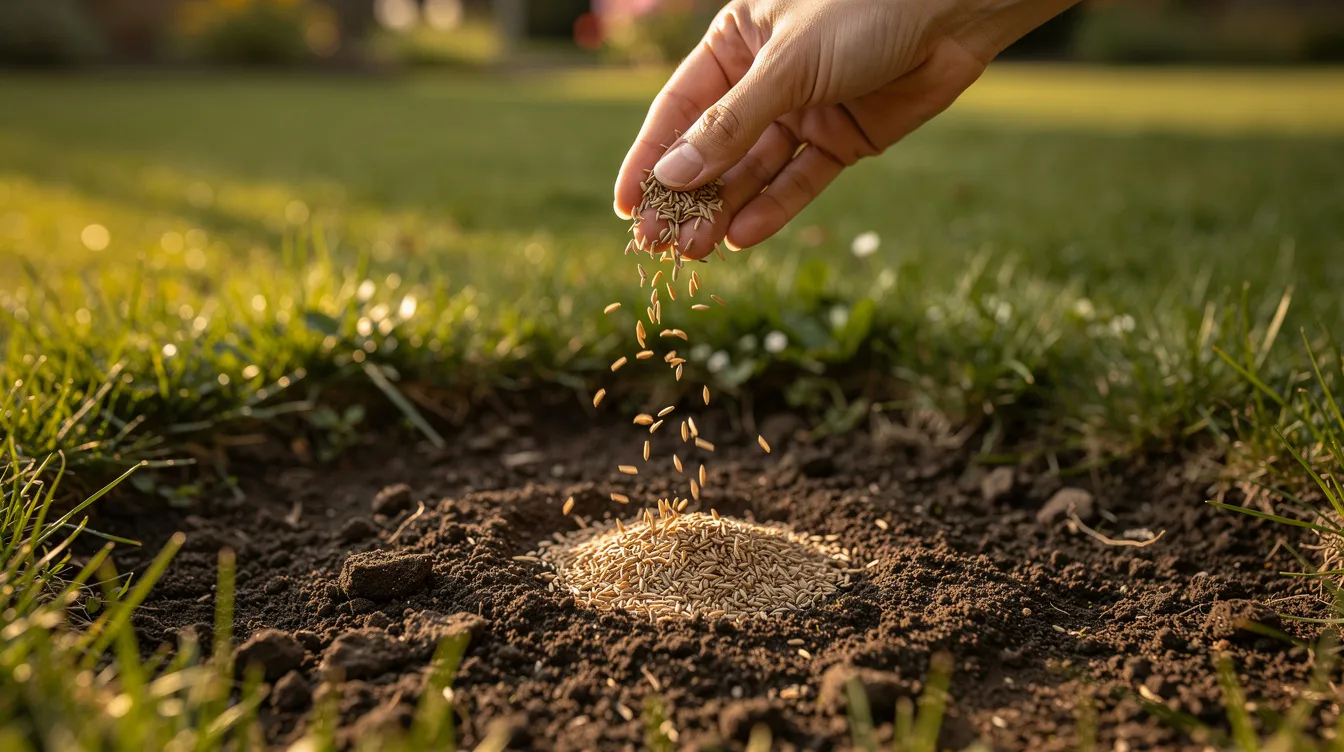
Broadcast seed evenly, lightly rake to mix seed with the top 5–10 mm of soil, then gently firm for good seed-to-soil contact. In UK weather conditions, expect germination within 7–14 days at 10–15°C soil temperature during late spring or early autumn. Grass grows fastest when moisture and temperature align.
Watering and Feeding a Recovering Lawn
New seed and stressed lawns need steady moisture-but not saturation. Lawns need about 1 inch of water per week for optimal health.
-
First 2–3 weeks: Keep the seedbed moist with light watering once or twice a day in dry weather. Watering too early in the morning before sun warms the soil risks washing away newly sown seeds.
-
After 2–3 weeks: Switch to deeper, less frequent watering. Watering deeply and infrequently encourages deep root growth in grass.
-
Signs of trouble: Mushy soil and algae mean overwatering; cracking soil and wilting seedlings mean the rain hasn't been enough.
Apply fast-acting fertiliser 2–3 weeks post-drought to kick-start recovery. Once seedlings have been mown once or twice, apply fertiliser-use higher-nitrogen feed in spring and summer, lower-nitrogen in autumn and fall. Using a slow-release fertilizer can promote healthy lawn growth without causing weak top-growth. Avoid heavy "weed and feed" products on very young grass; a gentler feed is safer for the first 6–8 weeks.
Mowing, Maintenance and Preventing Future Dead Patches
The way you maintain your lawn regularly decides whether dead patches return next season. Mowing grass too short can weaken the plant and disrupt photosynthesis.
-
Mowing rule: Never remove more than one-third of the blade length. Keep the cutting height at ~4 cm for family lawns. Raise it during dry spells.
-
Frequency: Mow once a week during peak growth (late April to September). Regular mowing encourages thicker grass growth. Use a sharp mower blade to prevent grass damage.
-
Clippings: Remove heavy clumps to prevent smothering. Light mulch from frequent cuts returns nutrients to the soil.
-
Aeration: Aerate your lawn in late spring and early autumn. Annual or biennial aeration and light scarification in autumn controls thatch and soil compaction.
-
Seasonal lawn care routine: Feed in spring and summer, scarify and aerate in autumn, and in winter clear fallen leaves and plan for new lawns or repairs come March.
When to Fully Renovate a Lawn
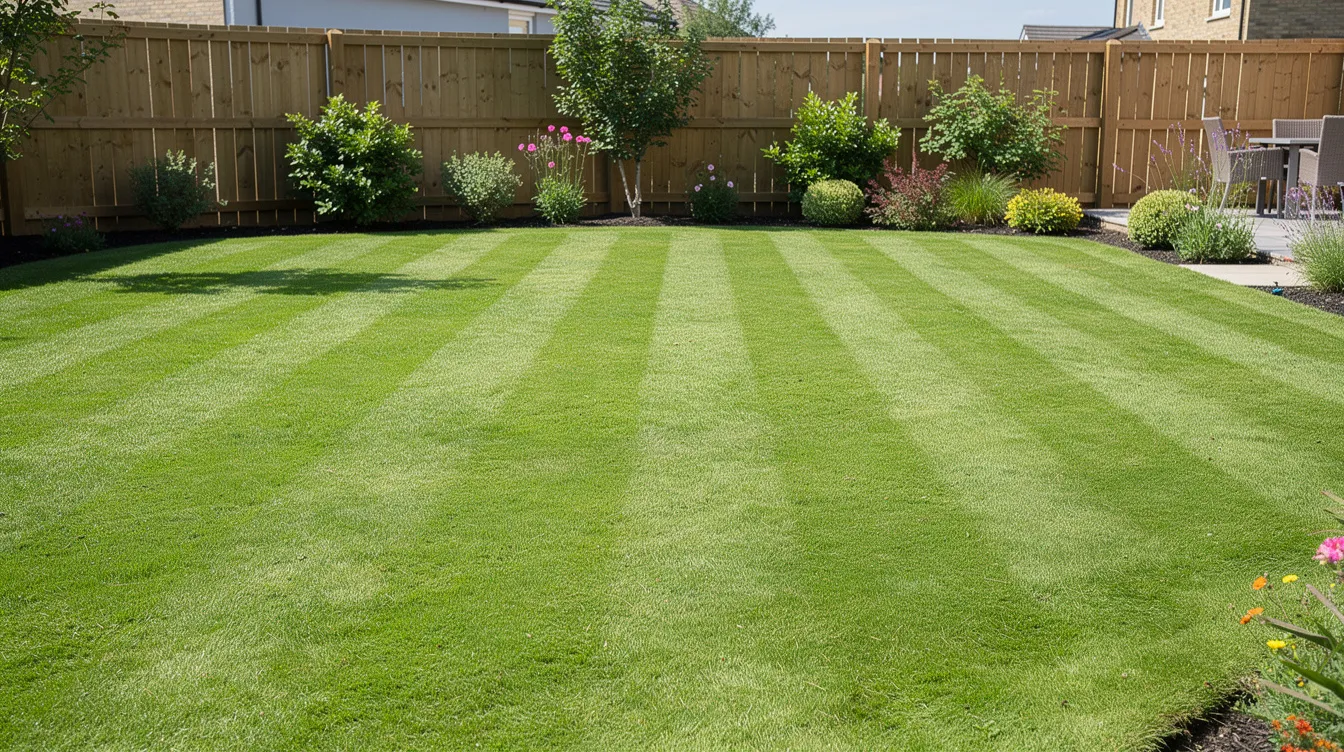
Some lawns are beyond patch repair. A rule of thumb: if more than 50–60% of the area is dead grass or bare soil, full renovation is more efficient than piecemeal fixes. This means stripping old turf, improving soil (till, level, topdress with compost), then reseeding or re-turfing the entire area. On very old, compacted lawns with chronic dead patches each summer, solving underlying soil issues-deep aeration, drainage, organic matter-is essential before any seed will thrive.
How GREENER's Transformation Kit Helps Fix "Dead" Lawns
At GREENER, we built the Transformation Kit specifically for the process described above. Inside you'll find premium UK-suitable grass seed, tailored lawn feed, and a clear step-by-step renovation plan aligned with real UK weather patterns.
No guessing fertiliser type, seeding rate, or timing. The kit works for repairing isolated dead patches or overseeding an entire thin, tired green space. For more advice on getting started, everything you need is in one box.
Start your lawn's recovery with The Transformation Kit →
FAQ: Dead Lawns, Dormant Grass and Lawn Repair
How long does it take to bring a brown lawn back to life?
Dormant lawns can begin to recover within 7–10 days of consistent moisture in mild temperatures. Repairing dead patches with new grass seed usually takes 4–8 weeks for full coverage, depending on variety and care. A full renovation from bare soil to a dense, mature lawn can take an entire season-April to September.
Can I revive dead grass in winter?
You can clear dead grass, rake, and improve soil structure in winter, but new grass seed will not germinate reliably until soil is consistently above 8–10°C. Plan and prep from December to February, then reseed as soon as conditions improve in March or early April. Avoid seeding just before heavy frosts or prolonged waterlogging.
Will grass seed grow on top of dead grass?
Seed does poorly if simply sprinkled over thick dead thatch-it needs contact with soil to germinate and plant roots. Always rake out dead grass and rough up the top few millimetres of soil. Lightly topdressing over newly sown seed with 3–5 mm of fine topsoil helps protect seed and improves germination.
How often should I water new grass seed so it doesn't die?
In typical UK spring or autumn conditions, watering lightly once or twice a day keeps the top 1–2 cm of soil moist. It's better to keep the seedbed consistently damp than to let it dry out completely and then flood it. After 2–3 weeks, gradually reduce frequency and increase depth so roots grow downward rather than staying shallow.
Can I walk on my lawn while it's recovering from dead patches?
Avoid foot traffic on newly seeded areas until after the first mow-usually when seedlings reach about 6–8 cm tall. If you must cross the area, use boards to spread weight and reduce compaction. Once new grass has been mown 2–3 times, it's generally robust enough for normal family use with regular maintenance.


