


Whether you dream of a striped showpiece or a relaxed meadow buzzing with pollinators, this guide covers everything UK homeowners need to know about grass lawns in 2026 - from choosing the right seed to embracing wildflower alternatives.
Key Takeaways
A healthy lawn in the UK requires suitable grass selection and seasonal maintenance, but the good news is that getting it right doesn't have to be complicated. Here's what you'll take away from this article:
-
UK grass lawns can be tailored to your life: a hard wearing lawn for children and dogs, ornamental lawns with fine stripes, or a wildlife‑friendly wildflower meadow that supports local wildlife and pollinators.
-
Choosing the correct grass type and lawn seed mix - including smooth stalked meadow grass and rye grass - is the single biggest factor in long‑term success under UK conditions.
-
Ongoing lawn maintenance (regular mowing, feeding, moss control, and overseeding) keeps turf dense and green year round, preventing weeds and bare areas from taking hold.
-
For patchy, mossy, or thin lawns, the GREENER Transformation Kit offers an all‑in‑one solution containing PM 51 Greenscape grass seed, GROWTH pre‑seed fertiliser, POWER moss treatment, and BOOST liquid seaweed biostimulant - explained in full detail below.
-
If a traditional lawn isn't for you, this guide also covers grass alternatives, clover lawns, tapestry lawns, and wildflower meadow options that demand far less time and water.
Welcome to Greener UK Lawns
The lawn became a middle-class pursuit after 1830, and by 1930 England was the most suburbanized country globally. Across the Atlantic, developments like Levittown featured over 17,000 homes, each with a lawn, cementing turf as the default garden surface. In the UK, post‑war suburban estates turned grass lawns into something almost every family expected: a place for summer barbecues, football with the kids, and quiet weekend mornings with a cup of tea.
Expectations have shifted. Homeowners in 2026 want a garden that looks good but doesn't eat every weekend. They're asking about drought tolerance, biodiversity, and whether that mossy patch at the back is worth fighting. Natural grass lawns act as a carbon sink, improving air quality by filtering pollutants, and grass surfaces can cool the surrounding air - making even a modest back garden more pleasant on a hot day. Natural grass absorbs rain, reducing flash flooding risk compared to concrete or paved areas, and grass lawns are generally cheaper to establish than hard landscaping options.
This guide is written for UK homeowners who want to improve an existing lawn or start a new lawn from scratch. We publish it on grassisalwaysgreener.co.uk, a UK direct‑to‑consumer lawn care brand focused on simple, science‑backed lawn care advice and quality products rather than overwhelming product ranges. Throughout the article, we'll reference the GREENER Transformation Kit - our recommended system containing PM 51 Greenscape grass seed, GROWTH pre‑seed fertiliser with mycorrhizal inoculant, POWER moss treatment, and BOOST liquid seaweed biostimulant. Whether you want a perfect lawn or a more natural, flower‑rich space, read on.
Choosing the Right Grass Type for UK Lawns
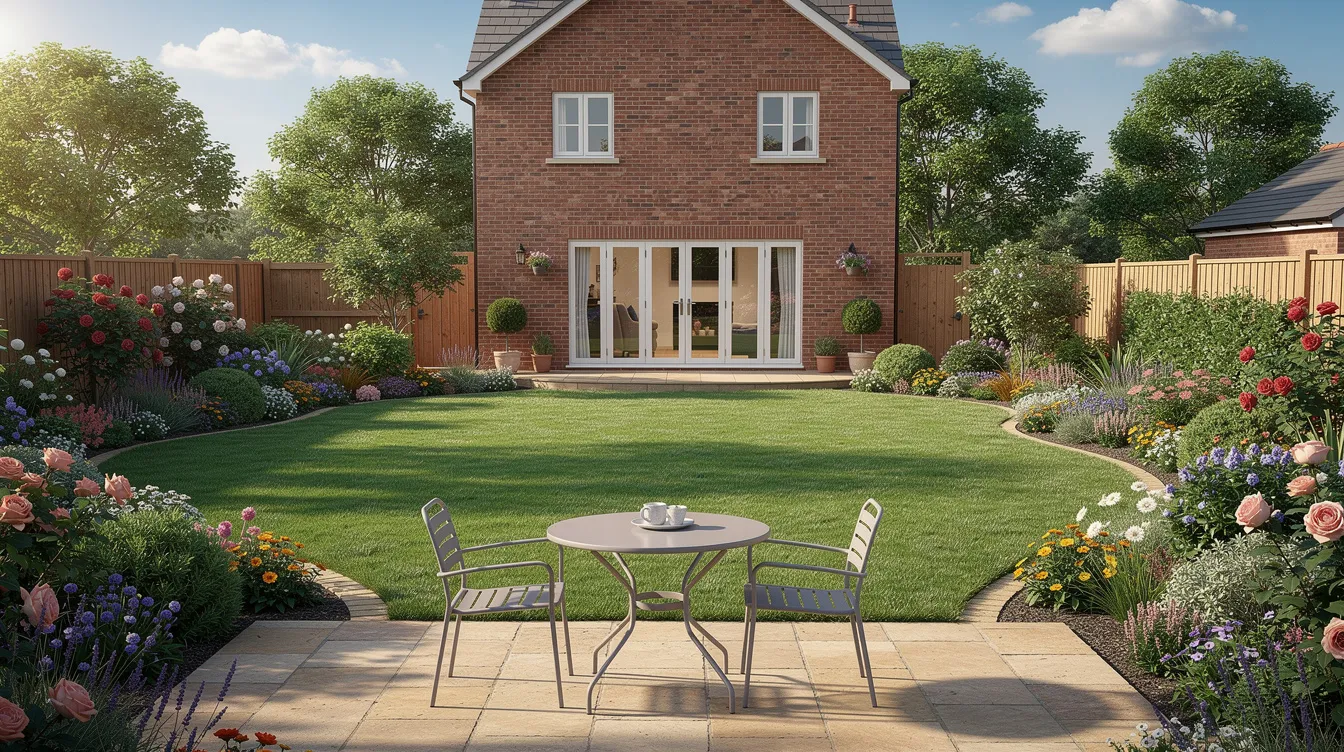
Most UK lawns use cool-season grasses that require specific seasonal care, and cool season grasses grow best between 10°C and 25°C (by contrast, warm season grasses thrive at temperatures between 25°C and 35°C, which is why they're rarely relevant here). Blending multiple grass species into one mix consistently outperforms relying on a single type, because different species cover each other's weaknesses in shade, drought, and wear.
Smooth stalked meadow grass (Poa pratensis) is one of the most valuable lawn grasses in the UK. It develops a deep root system and spreads via underground rhizomes, meaning it recovers well after football, dog play, and general foot traffic. Smooth stalked meadow grass is durable and drought resistant, making it a reliable backbone for any family lawn. Interestingly, Kentucky bluegrass - the same species under its North American name - is actually native to Europe and the Middle East, not to New England or Kentucky at all.
Perennial rye grass is the workhorse of UK turf. It establishes quickly and is durable against wear, often germinating within a week - ideal for overseeding tired lawns or repairing bare patches. Dwarf ryegrass is common in UK lawns for its fine texture, giving a surprisingly neat finish while still handling moderate foot traffic.
For ornamental lawns, finer grasses like chewings fescue, creeping red fescue, and browntop bent deliver a very fine texture and tolerate close mowing - the kind of finish you see on bowling greens and golf greens. However, they demand high maintenance: frequent scarification, careful watering, and precise mowing with a quality cylinder mower. Fescues thrive in shady areas and require less water than other grass types, making them useful for those tricky shaded areas beneath trees.
Tall fescue deserves a mention for gardens on heavier clay soils or in parts of southern and eastern England now experiencing hotter summers. It is drought tolerant, deep‑rooting, and holds colour longer than ryegrass during the summer months when rainfall drops. PM 51 Greenscape grass seed - part of the GREENER Transformation Kit - is blended specifically for UK conditions, balancing durability and appearance across these grass species so you don't have to guess which type to pick.
Planning and Creating a Lawn from Scratch
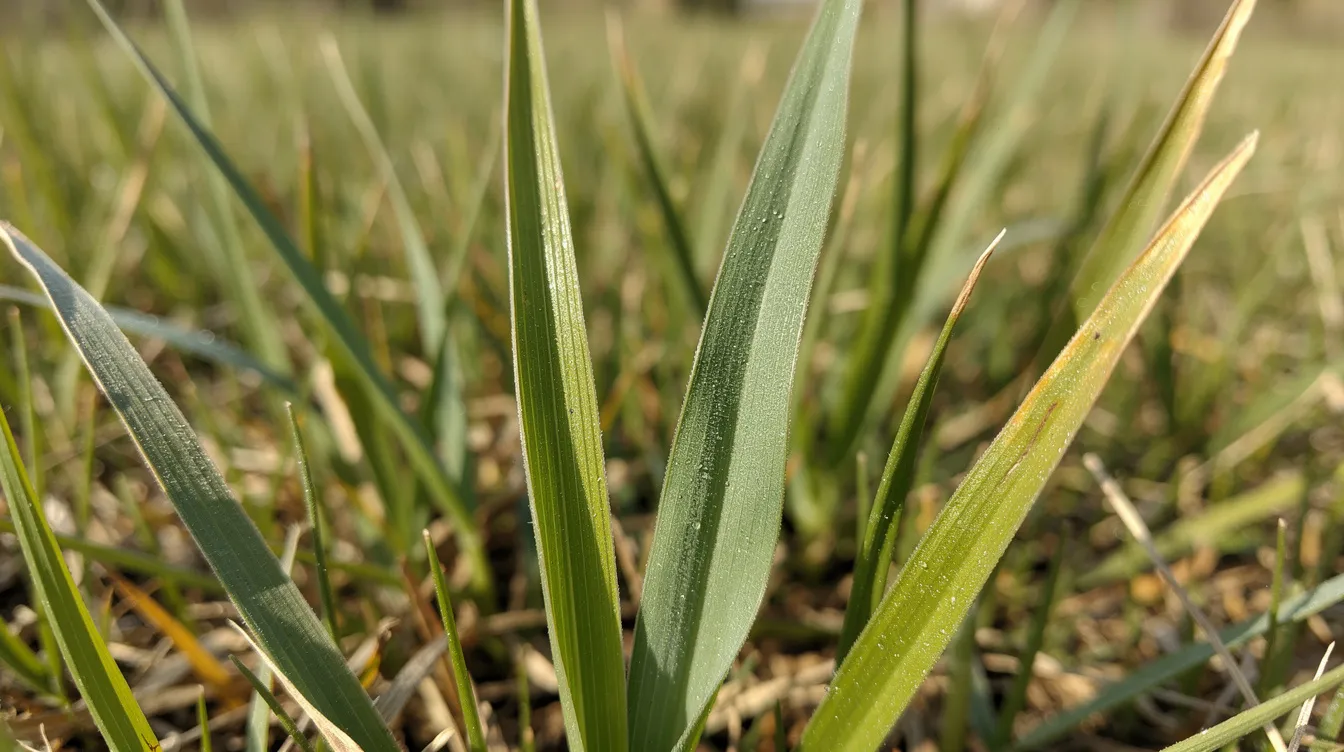
Starting a lawn from scratch makes sense after major landscaping, on a new build plot, or when an existing lawn is beyond saving. Seeding is best done in early autumn or spring, when soil temperature is reliably above about 8°C and natural moisture helps germination. In the UK, that usually means mid‑March to late May or early September to mid‑October. In 1901, Congress allocated $17,000 for lawn grass research in the US - evidence of just how seriously turf science has been taken for over a century.
Key preparation steps:
-
Clear rubble, perennial weeds, and any old turf or thatch.
-
Roughly level the ground, then improve heavy clay by incorporating sharp sand and compost.
-
Aerating soil before planting promotes deeper root growth - fork the surface or use a hollow‑tine aerator.
-
Lightly consolidate by treading or rolling, but avoid over‑compacting.
For a new lawn, apply grass seed at about 35–50 g per m², spreading evenly in two passes at right angles for consistent coverage. PM 51 Greenscape lawn seed in the GREENER Transformation Kit is suitable for most UK domestic gardens and takes the guesswork out of species selection.
Before sowing, apply a pre‑seed fertiliser like GROWTH (included in the kit) with its mycorrhizal inoculant. This boosts nutrient uptake and root development - particularly valuable on nutrient‑poor new‑build soils where topsoil quality is often questionable.
First‑month care is straightforward: water lightly but frequently (daily if dry) for the first 14–21 days, protect seedbeds from birds where you can, and hold off your first mow until grass reaches about 6–7 cm tall, then cut grass back to roughly 4–5 cm. Expect light foot traffic to be possible after about six to eight weeks. If you'd rather a wildlife‑rich lawn, follow the same steps but plan to mow less frequently later - allowing white clover, daisies, and self‑sown wildflowers to establish naturally.
Year‑Round Lawn Maintenance Made Simple
Consistent, light‑touch lawn care beats sporadic drastic interventions every time. Maintaining a grass lawn requires regular mowing, fertilizing, weeding, and aeration, but done little and often, it takes far less effort than most people assume. Regular seasonal feeding, aerating, and careful mowing are essential to lawn health.
Mowing
Lawns need to be mowed once a week on average during the growing season. In hot seasons, lawns may require mowing twice a week if growth is vigorous. It is advisable to keep the grass height at 4 to 5 cm and mow frequently, never removing more than one‑third of the leaf height in a single pass. During dry weather or hot summers, raise your mower to 5–6 cm to reduce stress. In late spring and summer, keep blades sharp for a clean cut. Reduce frequency through autumn and stop during heavy frost. Walking on grass during heavy frosts or waterlogging should be minimized to prevent damage.
Feeding
Apply a spring fertiliser to support green growth, then switch to a lower‑nitrogen, higher‑potassium feed in autumn to strengthen roots for winter. Avoid heavy feeding during drought or frost - overuse of fertilizers and pesticides can lead to chemical runoff into waterways, harming the environment you're trying to support. BOOST liquid seaweed biostimulant from the GREENER Transformation Kit works as a gentle year round tonic, improving root health and stress tolerance without forcing excessive shoot growth.
Watering
Prioritise deep, occasional watering during prolonged dry periods - early morning is best. Accept that some summer browning is normal in the UK; most lawns recover with autumn rain if root systems are healthy.
Overseeding & other tasks
Regular overseeding is recommended to keep the lawn dense and competitive against weeds. A healthy lawn contains some weeds and insects - that's a sign of a balanced ecosystem, not a failure. For the keen lawn enthusiast, aeration, scarification, and top‑dressing are intermediate tasks that further improve soil structure and turf density, particularly on compacted clay soils.
Fixing Common Lawn Problems: Patches, Moss, and Weeds
UK gardens in recent years have seen more compaction from increased use, damp and shade favouring moss, and bare areas from pets, garden furniture, or hot summers scorching the turf.
Patch repair
Treat each bare patch as a mini lawn from scratch: rake out dead grass, lightly loosen soil, apply GROWTH pre‑seed fertiliser, sow PM 51 Greenscape grass seed at around 25–35 g per m², then keep moist until germination. Results usually show within three to four weeks.
Moss control
Moss thrives where grass is weak - shaded areas, low fertility, poor drainage, or compacted ground. Apply POWER moss treatment from the GREENER Transformation Kit in early spring or early autumn when grass is about to resume active growth. Wait for the moss to blacken, rake it out thoroughly, then overseed the cleared areas. Aerating the soil can alleviate compaction and enhance lawn health, attacking the underlying cause rather than just the symptom.
Weed management
A few daisies and clover in a family lawn are perfectly fine - embrace them if you like. Hand‑weed larger invaders like dandelions or docks. Be cautious with selective herbicides near borders, ponds, or areas where you value local wildlife. The best long‑term weed control is simply a thick, healthy sward that leaves no room for weed seeds to establish.
The GREENER Transformation Kit streamlines the whole revival process: seed, pre‑seed nutrition, moss control, and liquid biostimulant in one box, so you don't have to juggle half a dozen separate products. Always address underlying causes - compaction, overgrown shrubs blocking light, poor drainage - alongside surface treatments.
Ornamental Lawns vs. Practical Family Lawns
Not every grass lawn needs the same finish. Some homeowners want a striped showpiece worthy of golf courses; others need a tough play surface that bounces back after a weekend of football. Lawns cover about 128,000 square kilometers in the U.S. alone, and the variety of styles across those millions of gardens proves there's no single "right" answer.
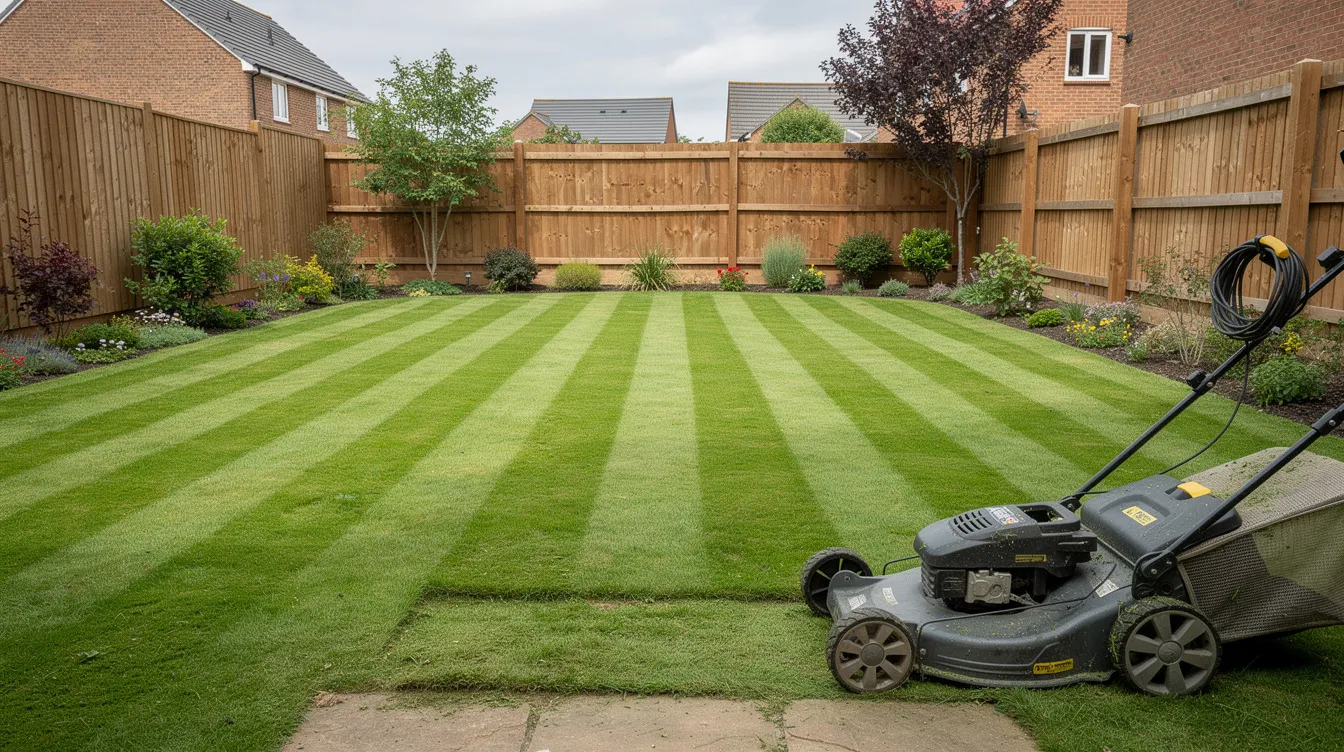
Ornamental lawns rely on finer grasses - fine fescues and browntop bent - mown short (around 2.5–3 cm) with a cylinder mower. They look stunning but demand high maintenance: weekly or biweekly mowing, regular scarification, and careful watering. They suit smaller front gardens or feature areas with only light foot traffic.
Practical family lawns blend perennial ryegrass, smooth stalked meadow grass, and fescues. They handle moderate foot traffic, dog play, and garden furniture, and still stripe nicely at a slightly higher cut height of 3–4 cm. PM 51 Greenscape grass seed is designed as a versatile "general‑purpose plus" mix that can be managed either towards a neat ornamental finish or a robust, hard wearing lawn.
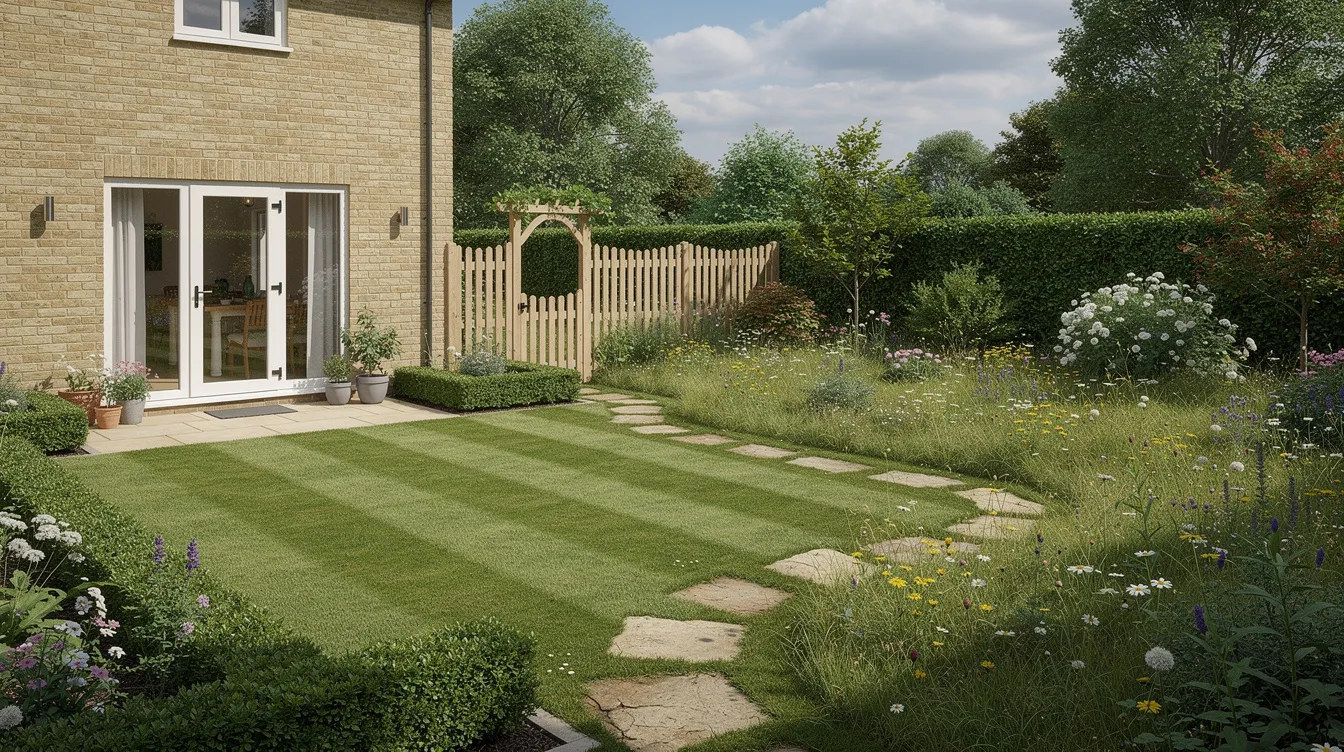
Consider creating zones: a short ornamental strip near the house, a more relaxed mowing regime towards the back gardens, and perhaps a small wildflower meadow patch or stepping stones through a wilder corner.
Grass Alternatives, Wildflower Meadows, and Low‑Maintenance Options
Interest in grass alternatives is growing fast across the UK, driven by water use concerns, biodiversity awareness, and simple time pressure. In the US, lawns use 50 to 70% of residential water - a figure that puts traditional lawns into sharp environmental focus, even in the wetter UK climate.
Low‑mow and naturalised lawns
Mowing less encourages wildflowers and wildlife to thrive. A slower growing lawn left at 6–10 cm and cut only every three to four weeks in summer lets clover, self‑heal, and native species bloom. Occasional cutting keeps things from becoming unmanageable while dramatically reducing fuel, noise, and effort. Organic lawn management reduces pesticide use and promotes biodiversity - good for other wildlife like hedgehogs, beetles, and ground‑nesting bees.
Wildflower meadows
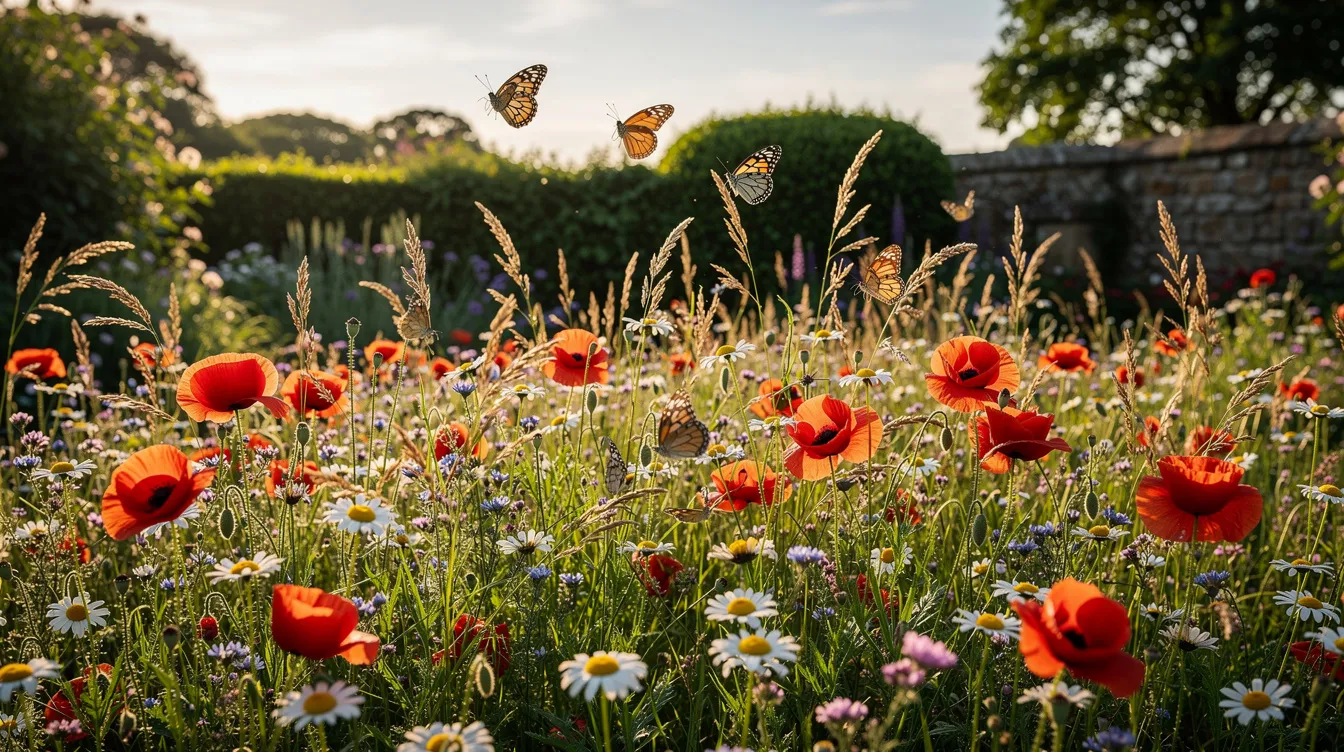
A wildflower meadow is the ultimate low maintenance alternative for an unused corner or larger plot. Sow with native species mixes, mow just once or twice a year (after flowering plants have set seed), and accept a natural, changing appearance through the seasons. Wildflower meadows can act as carbon sinks and combat climate change, and they support a wide range of animal species - from butterflies and bees to small mammals. Even when mowed less frequently, wildflower meadows continue to act as carbon sinks.
Non‑grass groundcovers
Several plants can replace turf where use is lighter:
-
White clover (Trifolium repens) and red clover: clover lawns require less water and support pollinators, and clover lawns are drought tolerant and beneficial for pollinators. They fix nitrogen, reducing feeding needs.
-
Creeping thyme: aromatic, bee‑friendly, and happy in full sun with light foot traffic.
-
Chamomile lawns thrive in sunny areas with light foot traffic, releasing a pleasant scent when walked on.
-
Creeping jenny: a vigorous, shade‑tolerant groundcover for damp spots.
-
Yarrow lawns are drought resistant and can be mowed for turf, offering a surprisingly lawn‑like appearance.
-
Moss lawns use only about 1% of the water of grass lawns - remarkable for deep shade where nothing else thrives.
Tapestry lawns - patchworks of low‑growing flowering plants and grasses - are gaining popularity in show gardens and public spaces. In 2021, NYC banned most synthetic pesticides on city property, reflecting a global shift towards chemical‑free green spaces. Artificial grass requires no mowing, watering, or feeding, reducing chemical runoff, but it offers zero biodiversity value and contributes microplastics to the environment.
Clover lawns require less water than traditional grass lawns, making them a smart partial replacement. You don't have to choose all‑or‑nothing: many UK gardens benefit from a hybrid approach with a smaller, high‑quality grass lawn supported by borders, meadow patches, and groundcover zones. The same soil‑improvement principles and gentle care products like BOOST liquid seaweed from the GREENER Transformation Kit help both traditional lawns and naturalised areas establish stronger roots.
How the GREENER Transformation Kit Supports Every Stage of Lawn Care
Rather than buying separate products and hoping they work together, the GREENER Transformation Kit is designed as a single, joined‑up system for UK lawns. Here's how each component fits into the lawn care journey.
PM 51 Greenscape grass seed is a UK‑appropriate cool‑season blend suitable for both overseeding thin lawns and creating a new lawn. Its species mix balances wear resistance, good colour, and fine texture - making it effective whether you maintain a neat ornamental lawn or a robust family surface. Sow at 25–35 g/m² for overseeding or 35–50 g/m² for bare ground.
GROWTH pre‑seed fertiliser with mycorrhizal inoculant delivers nutrients right where seedlings need them and introduces beneficial fungi that improve nutrient uptake and root development. It's particularly valuable on compacted or low‑nutrient suburban soils and new builds where topsoil has been stripped or mixed with subsoil.
POWER moss treatment is best applied in the UK calendar during late winter to early spring or early autumn, when grass is about to enter active growth. It blackens moss within days; once raked out, the cleared surface is ready for overseeding. Used as directed, it targets moss without harming surrounding grass.
BOOST liquid seaweed biostimulant provides stress tolerance during drought or cold snaps, enhanced root mass, and general resilience against wear. Applied as a dilute spray through the growing season, it supports colour and vigour without pushing excessive leaf growth that weakens the plant.
Explore the full GREENER Transformation Kit here to see exactly what's included and how each product is used.
Conclusion: Designing the Right Lawn for Your Life
The choices come down to a few key decisions: which grass type suits your soil type and climate, how formal you want the finish (ornamental vs. family lawn), how much time you can realistically give to lawn maintenance each week, and whether wildflower meadow patches or grass alternatives appeal.
Most UK homeowners will get the best results from a straightforward, resilient lawn built on good soil preparation, sensible mowing heights, modest feeding, and periodic overseeding. Tackling moss, bare patches, and weak growth is far easier with a single system like the GREENER Transformation Kit than mixing and matching random products from different ranges.
Ready to transform your lawn? Visit the GREENER Transformation Kit page to see exactly what's included and start transforming your UK lawn this season.
Whether you want crisp stripes, football‑proof turf, or a more natural, flower‑rich garden, the principles in this guide will help you get there. Your perfect lawn doesn't have to be complicated - it just needs the right plan.
Frequently Asked Questions
These FAQs cover practical points not fully addressed above, aimed at typical UK conditions and small to medium gardens.
How high should I mow my UK lawn during summer?
For most lawns, aim for a mowing height of about 4–5 cm during the main growing season. During very hot or dry spells, raise the cut to around 6–7 cm to reduce stress and browning. Very fine ornamental lawns can be kept shorter - around 2.5–3 cm - but this demands more frequent mowing and watering, and is far less tolerant of wear from children or pets. Always follow the one‑third rule: never remove more than a third of the leaf height in a single pass.
Can I use the GREENER Transformation Kit if I have pets and children?
The kit is designed for real‑world family gardens. However, always follow on‑pack safety guidance regarding re‑entry times after application, particularly for the POWER moss treatment and GROWTH fertiliser. Keep pets and children off treated areas until products have dried or been watered in, and sweep any granules off hard surfaces back onto the lawn. Once watered in and dry, most lawns are safe for normal family and pet use.
What's the best way to improve a very shady lawn area?
Deep shade under mature trees or between tall buildings will always challenge traditional grass. Start by thinning overhanging branches where possible to let more light reach the ground. Choose shade‑tolerant grass mixes weighted towards fine fescues and browntop bent, mow higher (around 5 cm) to maximise the leaf area capturing available light, and overseed regularly. For the darkest spots, consider partial grass alternatives such as shade‑loving groundcovers, bark mulch paths, or even moss - which thrives where grass cannot.
How long will it take to see results after overseeding a thin lawn?
In typical UK spring or early autumn conditions, new grass seed usually germinates in 7–21 days depending on soil temperature and moisture. Visible thickening and improved colour often appear within 4–6 weeks, especially when overseeding is combined with GROWTH pre‑seed fertiliser and consistent watering. Full establishment - where the new grass can handle regular foot traffic - generally takes six to eight weeks.
Do I need different lawn care routines for clay and sandy soils?
Yes. Heavy clay holds water and compacts easily, so aeration and adding organic matter (compost, well‑rotted manure) are especially important. Sandy soils drain quickly and need more frequent, lighter feeding and watering to keep nutrients available. Deep‑rooting grasses like tall fescue and smooth stalked meadow grass cope better with both extremes. The products in the GREENER Transformation Kit - particularly the GROWTH mycorrhizal inoculant - support stronger root systems on both soil types, helping grass access water and nutrients more efficiently regardless of your ground conditions.


