


If you're a UK homeowner staring at a tired lawn - or bare mud - you're facing a decision that many homeowners wrestle with every spring and autumn: do you sow natural grass seeds and grow a living lawn, or do you rip everything out and lay fake grass? Both options promise a green outdoor space, but the costs, effort, and long-term results couldn't be more different.
Most people want the same things from their garden: somewhere for the family and children to play, a surface that looks attractive when friends visit, a patch where dogs can run without turning the place into a mess, and kerb appeal that makes the house feel alive. The question is how you get there. "Grass seed" refers to raw seeds - often a blend of species - sold by weight and sown directly into soil. A lawn seed mix is a curated blend designed for domestic lawns, combining grasses for wear, appearance, and shade tolerance. Artificial grass (also called fake turf) is polymer-based matting manufactured to mimic real blades, laid over a compacted sub-base.
This guide will give you a quick answer on which option suits most gardens, then walk you through everything: selecting the right seed, preparing ground, sowing, overseeding patchy areas, solving common problems, and ongoing care. If you want to skip the research and get straight to results, The Transformation Kit bundles high-quality lawn seed, soil improvers, and clear instructions - everything needed for a fast lawn makeover at a great price.
Quick Answer: Should You Use Grass Seed or Artificial Grass?
For most British gardens with useable soil and medium foot traffic, quality grass seeds deliver greater long-term value - environmentally, financially, and practically. Grass is fully established in 6-8 weeks after sowing, and the lifetime cost is a fraction of artificial turf. Growing grass from seed costs 70-80% less than laying turf, let alone the expense of professional artificial grass installation.
Choose lawn seed if your budget sits under a few hundred pounds for a medium lawn, you want living soil that supports wildlife and drainage, or you're happy waiting 6-8 weeks for full establishment. Natural grass surfaces stay significantly cooler in summer - artificial turf can reach 15-20°C hotter under sun exposure because it lacks evapotranspiration. If you value biodiversity, carbon capture, and a surface that's safe for bare feet in sunshine, seed wins.
Consider artificial grass only for specific scenarios: tiny shaded courtyards where sunlight barely reaches the ground, rental properties where long-term soil improvement isn't practical, heavily used play areas where mud is a constant battle, or balconies and roof terraces where laying soil is impossible. Artificial grass gives an instant visual result and a year round tidy appearance, but it comes with higher upfront cost (often £25-£60/m² plus sub-base and labour), a limited life span of 10-15 years, and environmental concerns around microplastic shedding.
If you have existing soil and want a lush, living lawn, overseeding or relaying with The Transformation Kit will give you the best result - faster coverage, stronger roots, and a lawn that improves with each season.
Understanding Grass Seed and Lawn Seed Mixes
"Grass seed" is a catch-all term. What you actually want is a lawn seed mix - a specific blend of multiple grass species engineered to balance fast establishment, durability, and appearance. Most high-quality residential grass seeds are blends of multiple grasses because no single species does everything well. Choosing the right grass seed depends on climate, soil, and usage needs, so understanding what's in the bag matters more than just grabbing the cheapest option.
Here are the key species you'll find in UK mixes and what each contributes:
Perennial ryegrass is the workhorse of family lawns. It germinates in 5-7 days under good weather conditions, establishes quickly, and handles heavy foot traffic. Dwarf perennial ryegrass is known for rapid establishment and high wear tolerance, making it the dominant species in hard wearing utility mixes. The trade-off is a coarser leaf texture and faster growth that demands more frequent mowing.
Fine fescues - including creeping red fescue, Chewings fescue, and hard fescue - bring elegance. Choose fescue-heavy mixes for a luxurious look needing less mowing. Chewings fescue is ideal for fine-textured lawns requiring lower mowing heights, while slender creeping red fescue is often used to fill in bare patches. These species also cope better in drought and shade.
Smooth-stalked meadow grass spreads via underground rhizomes, self-repairing gaps over time. It's slower to germinate (2-3 weeks) but adds long-term density. Browntop bent provides a very fine and premium texture for ornamental lawns - the "bowling green" look - but demands higher maintenance. And in lower light conditions, wood meadow grass thrives where other species struggle.
Assess lawn usage to select durable grass mixes for children and pets. A general-purpose mix balances 50-70% ryegrass with fine fescues and meadow grass. Hard wearing family mixes push ryegrass content to 70-80%. Ornamental mixes lean heavily on fescues and bent grasses. Shade mixes emphasise creeping red fescue and species tolerant of limited sunlight. You should also evaluate sunlight exposure to select suitable mixtures for shady areas - if your garden gets fewer than four hours of direct sun, a shade mix is essential.
Seed quality matters more than bag weight. Look for fresh harvest year, certified cultivars, and tested germination rates above 85%. The Transformation Kit uses high-germination lawn seed paired with soil improvers, which is why it produces a fast growing dense cover rather than the patchy results many people associate with cheaper seed.
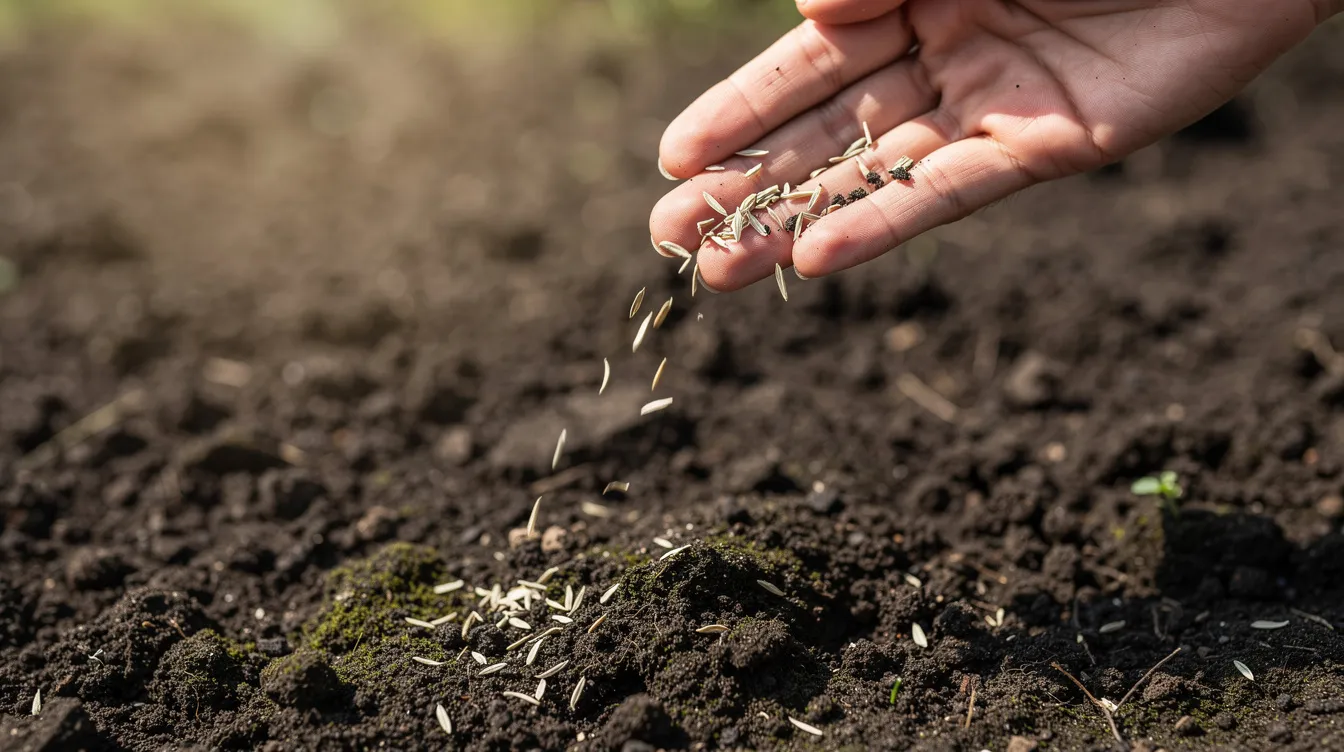
Grass Seed vs Artificial Grass: Pros and Cons
This is where the decision gets real. Both options have genuine benefits, but the trade-offs tip heavily in one direction for most UK gardens with workable soil.
Real grass lawns are cooler, greener, and better for the planet. A natural lawn acts as a living surface - grass roots bind soil, improve drainage, and reduce run-off during heavy rain. Grasses can act as a giant carbon sink, storing 15-30% of carbon in soil organic matter. Your lawn supports insects, bees, earthworms, and birds, creating a small but meaningful habitat for wildlife right outside your house. Diverse grasslands provide essential micronutrients for livestock health, and the same principle applies domestically: species like cocksfoot grass boost soil organic matter and microbial activity, while red clover's tap roots increase drought resilience in mixed swards. Even birdsfoot trefoil, sometimes included in meadow-style mixes or border plantings, acts as a natural wormer - a reminder that living ground does far more than just look green.
Maintenance for seeded lawns is routine, not relentless. You'll mow regularly during the growing season (weekly or so for ryegrass-heavy mixes, less for fescue blends), feed in spring and autumn, scarify once a year to remove thatch, and overseed any thin patches. With a strong lawn seed base, this becomes a manageable job - an hour or two per week in summer, almost nothing in winter.
Artificial grass eliminates mowing and mud. For high-wear zones, a surface that stays neat through wet UK winters is appealing. No waiting for establishment, no bare patches after a summer drought, no mud tracked into the house. For a patio extension, decking surround, or small play area, the instant result can feel worth it.
But artificial grass safe? The downsides are significant. Upfront cost runs £25-£60/m² before sub-base preparation, edging, and fitting. An estimated 16,866 tonnes of microplastics from artificial turf systems enter UK environments annually. Surfaces heat up dangerously in direct sun - uncomfortable for bare feet, pets, and children. After 10-15 years, the entire surface needs replacing, and disposal options are limited. It's not a long lasting option in the way living grass is; it's a depreciating asset.
For most gardens with soil and drainage, a high-quality seed approach gives better long-term value and flexibility. You can repair, adapt, feed, and improve a real lawn over many years, whereas artificial turf locks you into one texture, one shape, and one environmental footprint.
How to Prepare Your Garden for Sowing Grass Seed
Good preparation matters more than the sowing day itself. Skip this step and you'll spend the rest of the season fighting patchy germination, waterlogging, and weeds.
Clear the ground. Remove old turf, moss, and perennial weeds by hand or with a turf stripper. Clear stones, rubble, and any debris - especially on ex-builder's plots near a garage or new-build fence line where glass and sharp objects hide beneath the surface. Keep pets and children off newly prepared areas until sowing is complete.
Level and improve the soil. Roughly level with a shovel and rake, ensuring a slight slope for drainage. If your ground is compacted, fork it over or use a core aerator. Determine soil type for best grass selection according to its conditions: heavy clay benefits from incorporated sand and organic matter; light sandy soil needs compost to retain moisture. Test pH (aim for 6-7) and add lime if acidic.
Create a fine tilth. Final-rake the top 2cm to a fine crumb - this is what gives seed the contact it needs to germinate. No clods, no hollows, no exposed stones.
Timing is everything. Sow grass seeds in spring or early fall for best results. In the UK, that means mid-March to late May, and early September to mid-October - assuming soil temperatures are above 8-10°C. Autumn is often the ideal season because soil is still warm and rainfall is more reliable.
Seeding rates. For a new lawn, use the manufacturer's recommended rate - typically 35-50g/m² for utility mixes. As a rough conversion, that equates to using 1 to 2 pounds of seed per 1,000 square feet. For overseeding, 25-35g/m² is usually sufficient. The Transformation Kit simplifies this step: its components - seed, soil enhancers, and feed - are matched to cover a specific area, so there's no guesswork.
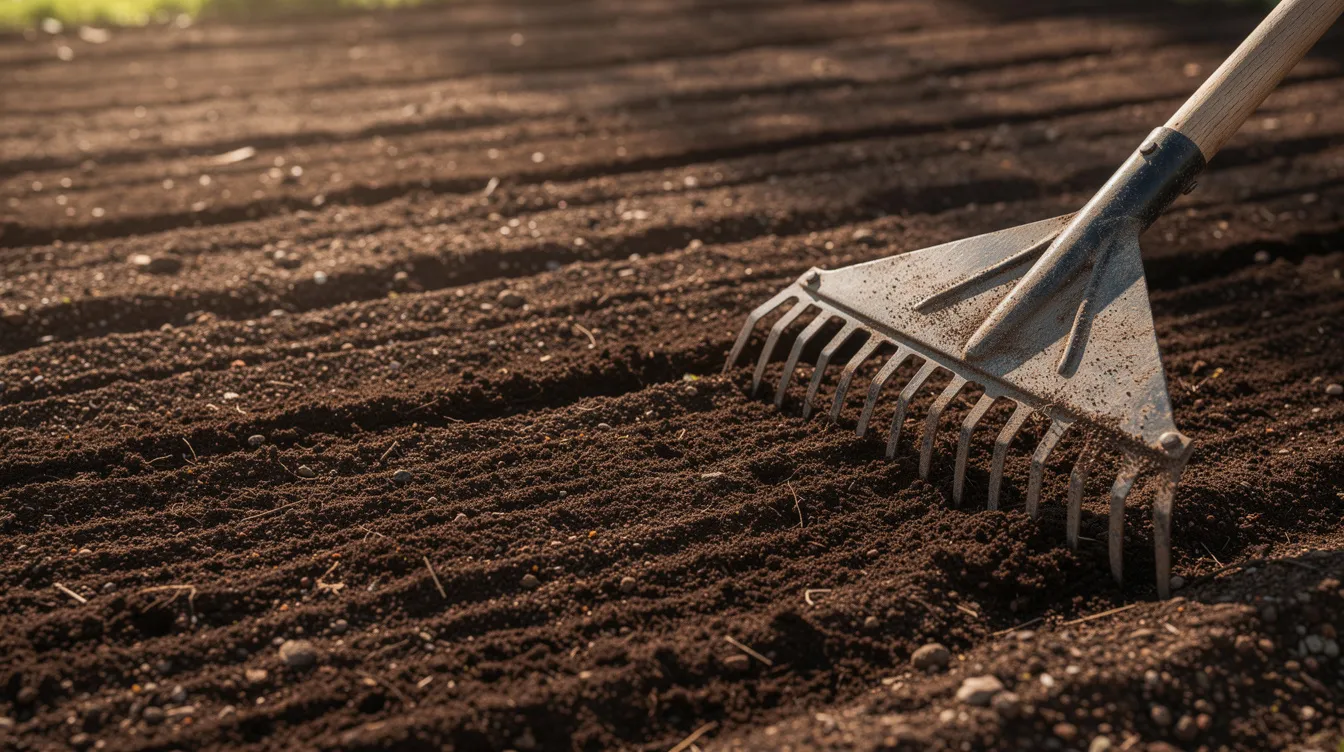
Step-by-Step: How to Sow Grass Seed Successfully
Follow these instructions on a calm, mild day. Don't sow if heavy rain or frost is forecast within seven days.
1. Check weather conditions. You want light showers in the forecast and no frost. A few days of gentle warmth is ideal. If soil is bone-dry, water lightly the day before to dampen the top layer.
2. Distribute seed evenly. Split your seed into two halves. Sow the first half walking lengthwise across the lawn, then sow the rest walking at right angles. Use a broadcast spreader for larger lawns or careful hand sowing for smaller plots. This cross-hatch pattern prevents stripes and bare patches.
3. Rake and firm. Gently rake the seed into the top 0.5-1cm of soil. To grow grass from seed, ensure good seed-to-soil contact during germination - this is the single most important factor. Then lightly firm with a roller or flat board. You're pressing seed against soil, not burying it or creating compaction.
4. Water carefully. Keep the top layer of soil moist during grass seed germination. Use a fine rose or sprinkler, watering gently at least once daily for the first 2-3 weeks. Avoid puddling, which washes seed into clumps. Morning watering is best. Imagine a damp sponge - that's the target moisture level.
5. Wait and watch. Grass seeds typically germinate within 10 days - perennial ryegrass often shows first shoots in 5-7 days, while fine fescues take 10-21 days. Grass typically grows within 10 days after sowing if conditions are right. Resist walking on the area during this period.
6. First mow. When grass reaches about 6-8cm in height (usually around six weeks), give it a first light mow. Set blades high - remove no more than a third of the blade length. After this, grass is fully established in 6-8 weeks, and light traffic can begin.
The Transformation Kit combines premium grass seeds with tailored lawn food, reducing patchiness and speeding up the first green flush. It takes the waiting and guesswork out of the beginning stages.
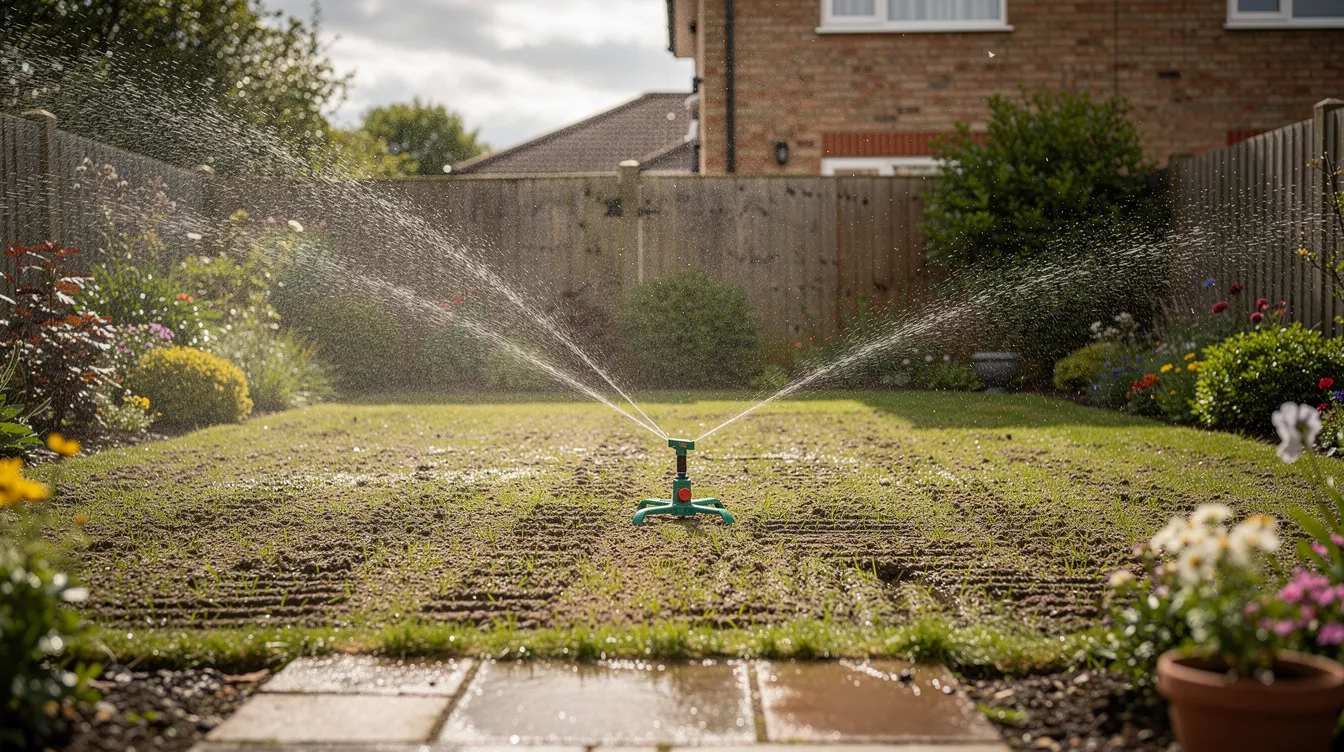
Overseeding: Reviving a Thin or Patchy Lawn
Overseeding is the fastest way to create a thicker, healthier lawn without ripping everything out. If you're unsure whether your garden needs full reseeding or just a refresh, here's the test: if at least 40-50% of the lawn is still healthy grass with no fundamental drainage issues, overseeding will do the job.
Preparation is different from a new sow. Mow the existing lawn short (but don't scalp it). Scarify or rake aggressively to remove moss, thatch, and dead material - this is the step most people skip, and it's the reason most overseeding fails. Top-dress with a thin layer of sandy loam or fine compost to improve seed-to-soil contact.
Spread seed evenly over the existing surface using the same cross-hatch technique. Slender creeping red fescue is often used to fill in bare patches, so a mix containing this species works particularly well for repair jobs. Lightly rake so seed settles between remaining grass plants, making contact with the ground rather than sitting on top of old thatch.
Aftercare matters. Reduce foot traffic for 3-4 weeks - this means keeping dogs and children off the area where possible. Water in dry spells, and delay the first mow until new grass reaches 6-8cm. Use sharp blades set high to avoid tearing young seedlings.
The Transformation Kit is ideal for busy homeowners who hope to repair dog damage, kids' goalmouths, and worn paths. It bundles the right seed, soil improvers, and nutrition in one package - no need to buy five separate products and hope you've got the ratios right.
Common Grass Seed Problems and How to Fix Them
Even with expert advice and good preparation, UK weather and garden conditions throw up challenges. Here's how to handle the most common ones.
Patchy germination usually comes down to four causes: inconsistent seed depth (burying too deep or leaving seed on the surface), poor seed-to-soil contact, old or low-quality seed with poor germination rates, and irregular watering that lets the surface dry out completely. The fix is almost always better preparation next time - fine tilth, light firming, and consistent moisture.
Birds eating seed is a frustration that many homeowners face. Cover small areas with light fleece or netting for the first week. Sow slightly more seed where bird pressure is high, and avoid leaving seed sitting on bare hard surfaces where it's visible and accessible. Sowing in early evening can also reduce losses, as birds are less active overnight.
Weeds appearing alongside seedlings is normal. Most early weeds are annuals from the existing soil seed bank - chickweed, groundsel, and annual meadow grass. Don't panic. Once your lawn seed reaches three to four leaves and you begin regular mowing, many of these weeds get mown out naturally. Avoid herbicides until the lawn is fully established.
Shade, hedges, and overhanging trees create thin areas by limiting sunlight. The solution is a shade-tolerant seed mix heavy on creeping red fescue and wood meadow grass. Trim tree canopy where possible to let more light through. For areas that receive almost no direct sun, even the best grass will struggle - this is where a small section of artificial turf or a plant bed with wildflowers and ground cover might serve the space better.
Heavy traffic compacts soil and wears grass thin. Core aerate in autumn, provide stepping stones or paths through high-traffic routes, and overseed vulnerable spots each season. The Transformation Kit's high-germination seed and balanced nutrition help build density quickly, reducing the window where weeds and bare patches can take hold.
Ongoing Care for a Seeded Lawn vs Maintaining Artificial Grass
Both real and fake grass need regular attention - the type and frequency just differ.
Seasonal care for a real lawn follows a simple calendar. In spring, apply a slow-release feed, begin regular mowing, and scarify to clear winter debris. Through summer, maintain mowing height (don't cut too short in hot spells), water deeply but infrequently to encourage deep roots, and spot-feed if colour fades. In autumn, overseed thin areas, apply an autumn fertiliser lower in nitrogen and higher in potassium, scarify if thatch has built up, and clear fallen leaves. In winter, stay off the lawn when it's frozen, keep leaves cleared, and let it rest.
Sustainable practices make a real difference: use organic or slow-release fertilisers at recommended rates, compost grass clippings, water less frequently but more deeply, and leave the lawn slightly longer during drought to shade the soil.
Artificial grass maintenance isn't zero. Brush fibres weekly to lift flattened pile and maintain a natural appearance. Clear leaves, debris, and anything that traps moisture - left unchecked, moss can grow on artificial surfaces too. If you have pets, remove faeces promptly and rinse the surface regularly with a pet-safe cleaner. Odour management is a genuine long-term challenge: drainage layers need to function properly, and some infills degrade over time. Check seams, edges, and joins seasonally. After 10-15 years, replacement and disposal costs arrive - and most synthetic turf currently ends up in landfill.
A well-established lawn from quality lawn seed becomes easier to look after with each passing year as root systems deepen, density increases, and the turf self-repairs. The Transformation Kit helps you reach that "easy-care" stage faster, turning a new or struggling lawn into a self-sustaining sward within a single season.
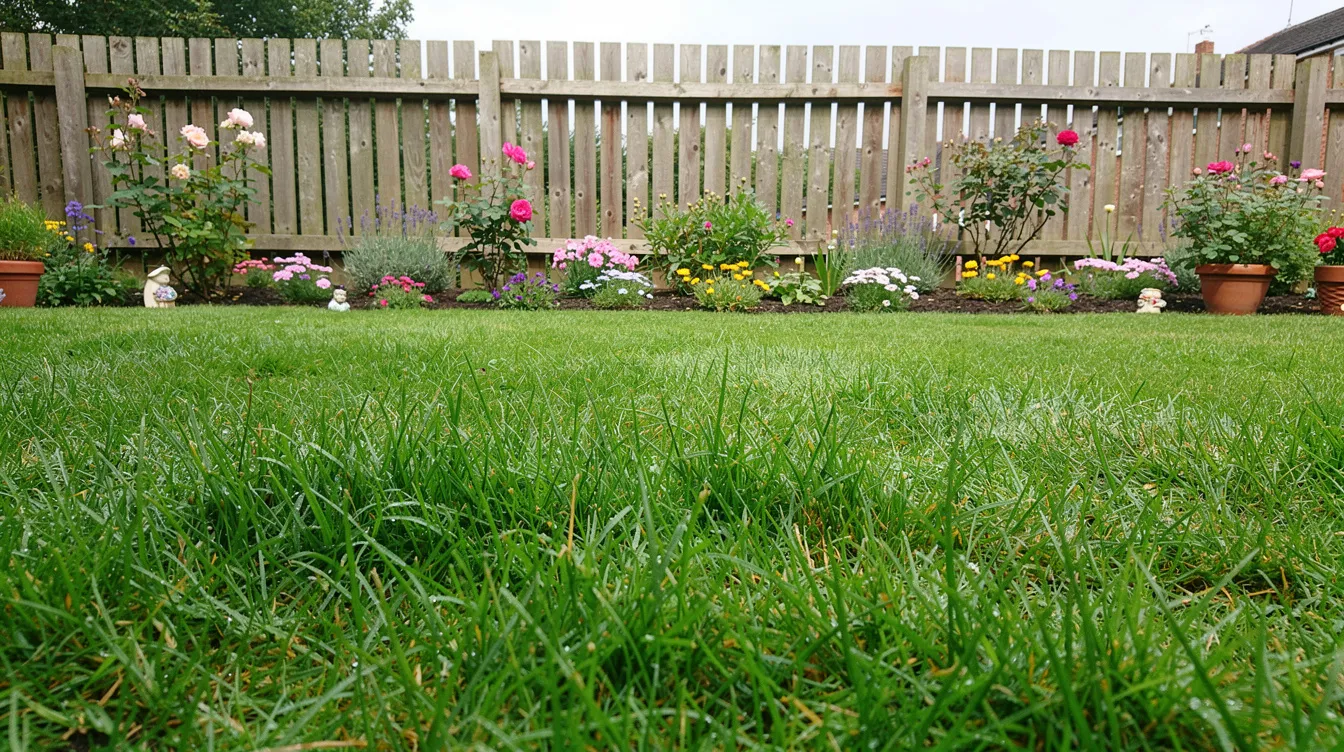
When Artificial Grass Might Be the Right Choice
Despite its downsides, fake grass solves real problems in specific situations. If you stand in your garden and the ground is solid concrete, a fully paved patio, or a roof terrace in a city centre, laying natural grass isn't an option. Small north-facing yards that receive almost no sunshine, balconies, and inaccessible rental gardens where you can't dig or invest in soil improvement are all reasonable candidates.
Heavy-use play areas in nursery or business settings - where a combination of shock-pad and artificial turf provides a safe, mud-free, year round surface for children - are another example where the benefits outweigh the environmental cost. For these applications, ensure proper sub-base preparation, professional fitting, edging, weed membranes, and adequate drainage.
But even in these scenarios, consider a hybrid approach. Keep any workable soil area as a natural lawn using grass seed, and limit artificial turf to the specific zones where real grass is genuinely infeasible. A central seeded lawn surrounded by planted borders of hedges, wildflowers, and shrubs with a small artificial section near decking or a fence line gives you the best of both worlds - biodiversity and life where the soil exists, durability and tidiness where it doesn't.
For most standard gardens, natural lawn seed solutions remain the most flexible and future-proof option - especially as UK regulatory scrutiny of artificial turf's environmental impact continues to increase.
Choosing the Right Solution and Next Steps
Here's how to make your decision in under a minute:
|
Factor |
Choose Lawn Seed |
Consider Artificial Grass |
|---|---|---|
|
Budget |
Lower upfront and lifetime cost |
Higher initial spend, lower mowing cost |
|
Soil available? |
Yes - any depth of workable soil |
No - concrete, paving, balcony |
|
Time for care |
Willing to mow/feed regularly |
Want near-zero weekly maintenance |
|
Pets & children |
Durable mixes cope well; natural and safe |
Mud-free but hotter; hygiene needs attention |
|
Biodiversity |
Supports insects, birds, soil life |
Largely sterile surface |
|
Longevity |
Improves over many years with care |
Degrades over 10-15 years, then landfill |
If you have soil and can wait 6-8 weeks for establishment, choose lawn seed. If you have a tired or patchy lawn, start with overseeding and repair - it's faster, cheaper, and less disruptive than a full re-landscaping or switching to artificial turf. If your ground is solid concrete with no way to improve it, a small artificial grass area is a pragmatic choice for that specific space.
For everyone in between - and that's most UK gardeners - the answer is quality seed, proper preparation, and a range of matched products that work together from day one.
Your next step: Fix your lawn properly this season — the Transformation Kit has everything you need, delivered to your door. [Shop now →]. It's designed to turn almost any UK lawn into a thicker, greener space this season. Thousands of customers have been extremely pleased with the results - and it's available at a price that makes the service pay for itself in the first year compared to artificial alternatives.
Bookmark or print this guide before you start, so you can follow each step on sowing day and during the crucial first six weeks. Your lawn - and the life it supports - will thank you.


