


Knowing when to mow the lawn makes the difference between a thick, resilient sward and a patchy, weed-ridden mess. This guide covers the full UK mowing season - from your first lawn cut in March to your last trim in late autumn - with practical advice on timing, cutting heights, mowing frequency, and conditions to avoid.
Key Takeaways
-
The UK mowing season runs from late March to late October. The average first lawn cut falls around 19 March, once soil temperatures are consistently above 6–7°C and the grass is dry.
-
The best time of day to cut your grass is mid-morning (around 10–11am) or late afternoon (4–6pm). Avoid mowing in early morning dew, frost, or wet conditions.
-
Never remove more than one third of the grass height in a single mow. Keep cutting heights higher in spring and autumn, lower in midsummer - but never scalp the lawn.
-
Environmentally friendly lawn care means mowing less. Skip or reduce mowing during "No Mow May," ease off in droughts, and leave some areas longer for wildlife.
-
Adapt to conditions, not the calendar. Check soil temperature, weather forecasts, and grass growth before every cut.
Why timing matters when you mow the lawn
"When" you cut grass matters just as much as "how." Mowing at the wrong time of year, the wrong time of day, or in the wrong weather can scalp the lawn, tear grass blades, compact the soil, and leave your lawn vulnerable to weeds, disease, and turf stress.
The biology is straightforward: grass needs enough leaf surface for photosynthesis. Repeated close lawn cuts weaken roots by stripping away the plant's energy factory, especially after winter dormancy or during drought. Research shows that leaf growth in perennial ryegrass rises almost linearly with soil temperature up to around 14°C - below that, growth is slow and cutting does more harm than good.
Environmentally friendly timing also reduces disturbance to wildlife - hedgehogs, ground-nesting insects, and birds sheltering at lawn edges. A late cold snap in March or a scorching July heatwave should change your plans. Observe your garden, check the forecast, and let conditions guide you rather than a fixed date on the calendar.
When to start and stop mowing: the UK mowing season
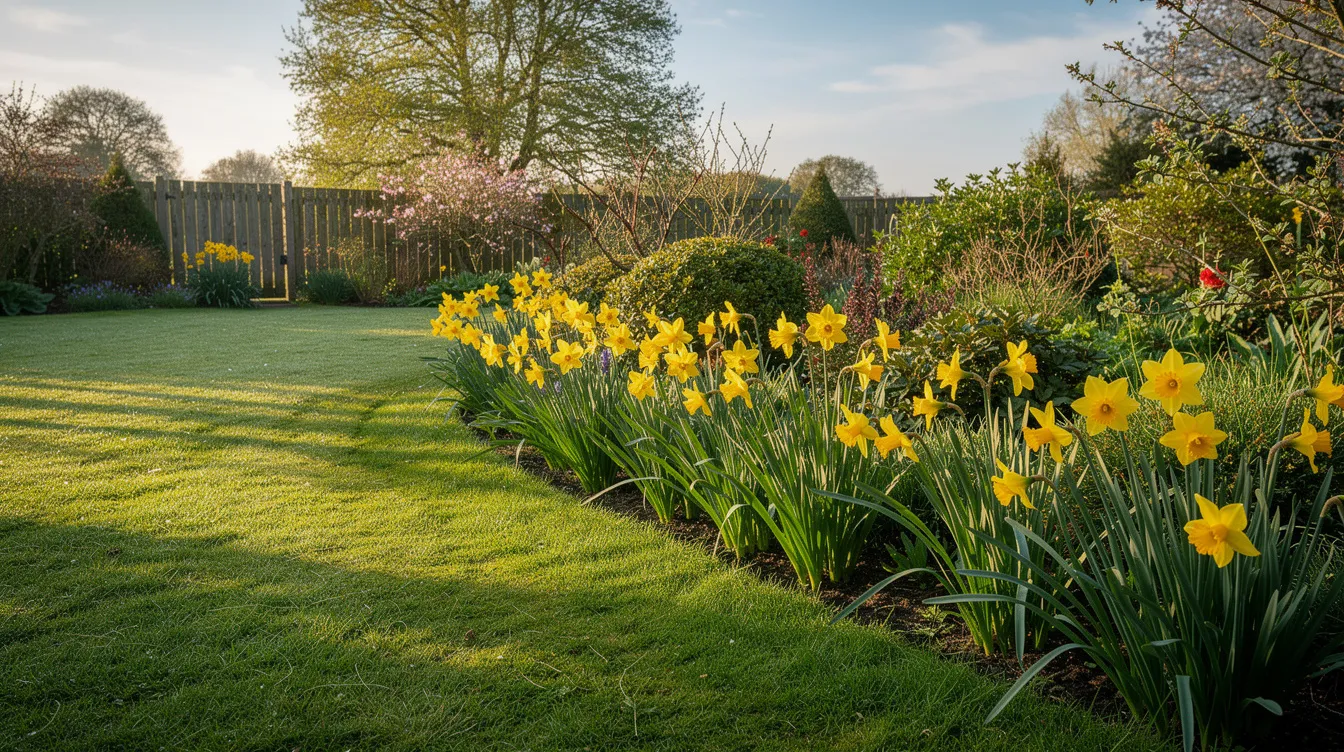
The typical mowing season runs from late March to late October for most of the UK. In milder coastal areas like Brighton you might begin a week or two earlier; in cooler regions such as the Scottish Highlands or upland northern England, delay until early April.
When to start mowing: grass growth begins when soil temperature exceeds 6°C. Your first mow should wait until daytime highs reach around 8–10°C, the ground is firm, and the lawn surface is dry. The average first lawn cut in the UK is around 19 March - a useful guide, not a fixed rule. For that first time after winter, set the mower to its highest setting and just tidy the grass tips rather than attempting a full, short grass cut. Walk slowly and ensure your mower blades are sharp.
When to stop: once night temperatures regularly drop to around 5–6°C and growth slows markedly - typically late October to early November - you should stop cutting grass. Make the last grass cut slightly higher to protect crowns over winter. Mowing should stop when temperatures are consistently below 6°C.
In unusually mild winters, some people mow occasionally year-round. Winter mowing should be rare, only on dry, frost-free days, with the mower set high.
Best time of day to cut your grass
The best time to mow is mid-morning (about 10–11am) or late afternoon (around 4–6pm), when the grass is dry and temperatures are moderate.
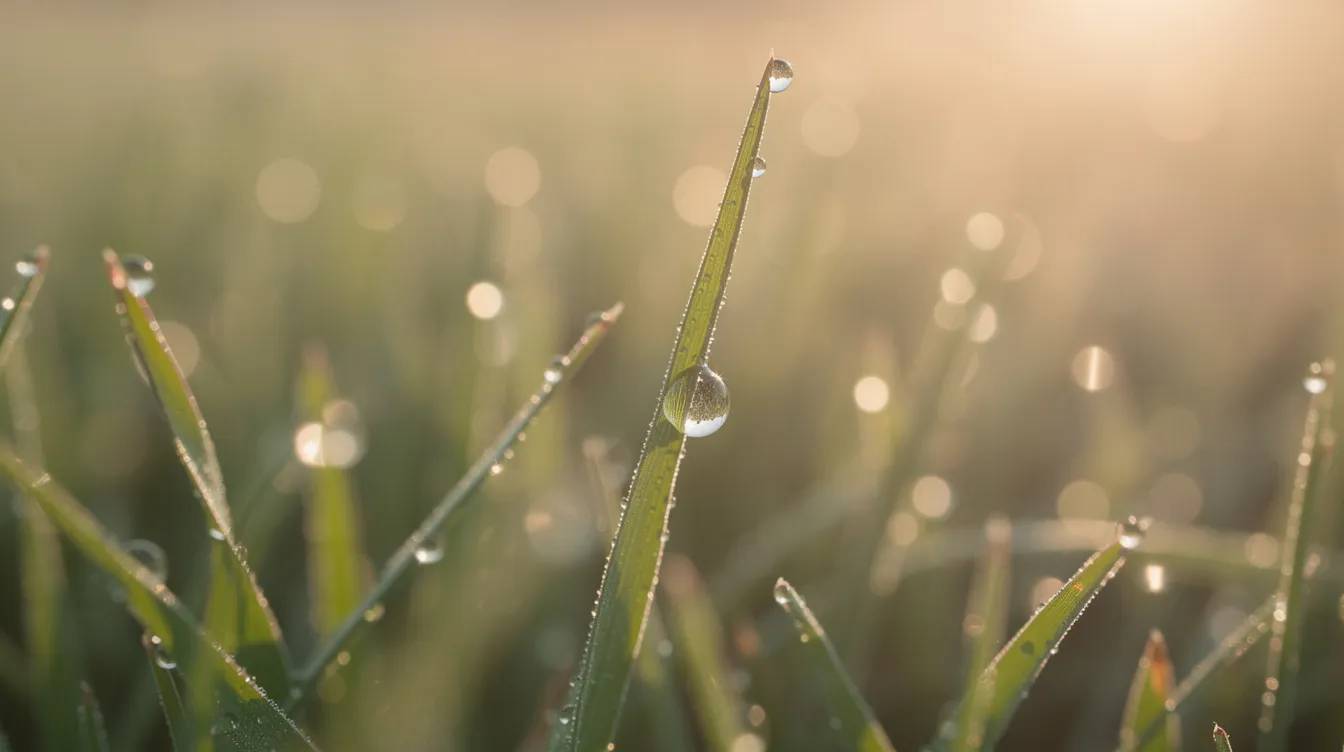
Early morning mowing is poor practice. Dew leaves wet grass on the surface, increasing the risk of torn blades, soil compaction, and fungal attacks. Wet clippings clog the lawn mower and leave unsightly clumps. Mowing in the hottest part of the day can stress the grass, cause yellowing, and slow recovery - especially if you attempt a low grass cut on a sun-baked lawn.
Early evening mowing (after about 6pm) leaves the lawn damp and cool overnight, creating ideal conditions for disease. In residential areas, later mowing also risks noise disturbance.
Adapt for your garden's orientation: south-facing lawns dry earlier in the morning, while shaded, north-facing lawns may need a mid morning or late afternoon window. In spring and autumn, shorter daylight means you may need to wait until closer to midday before conditions are right.
How often to mow through the year
Mowing frequency should adapt to the growth rate of grass, not a fixed schedule. Here are typical UK patterns:
|
Season |
Months |
Frequency |
Notes |
|---|---|---|---|
|
Early spring |
March–April |
Every 10–14 days |
Mow every two weeks in early spring. Higher cutting height, gentle trims only |
|
Late spring |
May–June |
Every 5–7 days |
In spring, mow once every 5–7 days due to rapid growth. Mow weekly by mid-May when temperatures exceed 10°C |
|
Midsummer |
July–August |
Every 7–10 days |
During summer heat, mow less frequently to reduce stress on the lawn. Raise the cutting height |
|
Autumn |
Sept–Oct |
Every 10–14 days |
Mow once every couple of weeks in autumn. Raise the mower blades to spring levels |
|
Late autumn/Winter |
Nov–Feb |
Rarely or not at all |
One last tidy cut if dry and frost-free, then wait for the weather starts warming again |
As a general rule, always follow the one third rule: each grass cut should remove only the top section of the blade. If you've been away and the grass is long, bring it back gradually over a few sessions rather than scalping in one go.
Cutting heights and techniques for a healthy lawn
The golden rule: never remove more than one third of the current grass height in a single mow. Cutting more than one third shocks the plant, weakens roots, thins the sward, and can leave bare patches.
Recommended cutting heights:
-
Standard family lawn: 25–40mm in spring and autumn, 20–25mm in summer
-
Ornamental or fine lawn: down to 6–13mm with specialist cylinder mowers, but most homeowners should avoid going below 20mm
-
Shade, drought, or first mow: raise to 40–50mm to protect the turf and improve drought tolerance
Adjust the mower height to leave grass slightly taller in summer to conserve moisture and shade the soil. For a new lawn from seed, wait until the grass reaches at least 5cm before the first cut.
Overgrown lawn recovery: when cutting long grass after a holiday or a No Mow May period, use a step-down approach. Start on the highest setting, cut narrower strips if needed, and lower the mower one notch at a time over 2–3 mows spaced a week apart. Remove excess clippings from the first cut to avoid smothering the grass beneath, then resume mulching once height is back to normal.
Avoid scalping bumps or high spots - this exposes soil, encourages moss and weeds, and creates bare patches. Level uneven ground first rather than repeatedly cutting too low.
Weather and conditions: when NOT to mow
Choosing the wrong conditions can do more harm than skipping a cut entirely. Patience pays off in long-term lawn health.
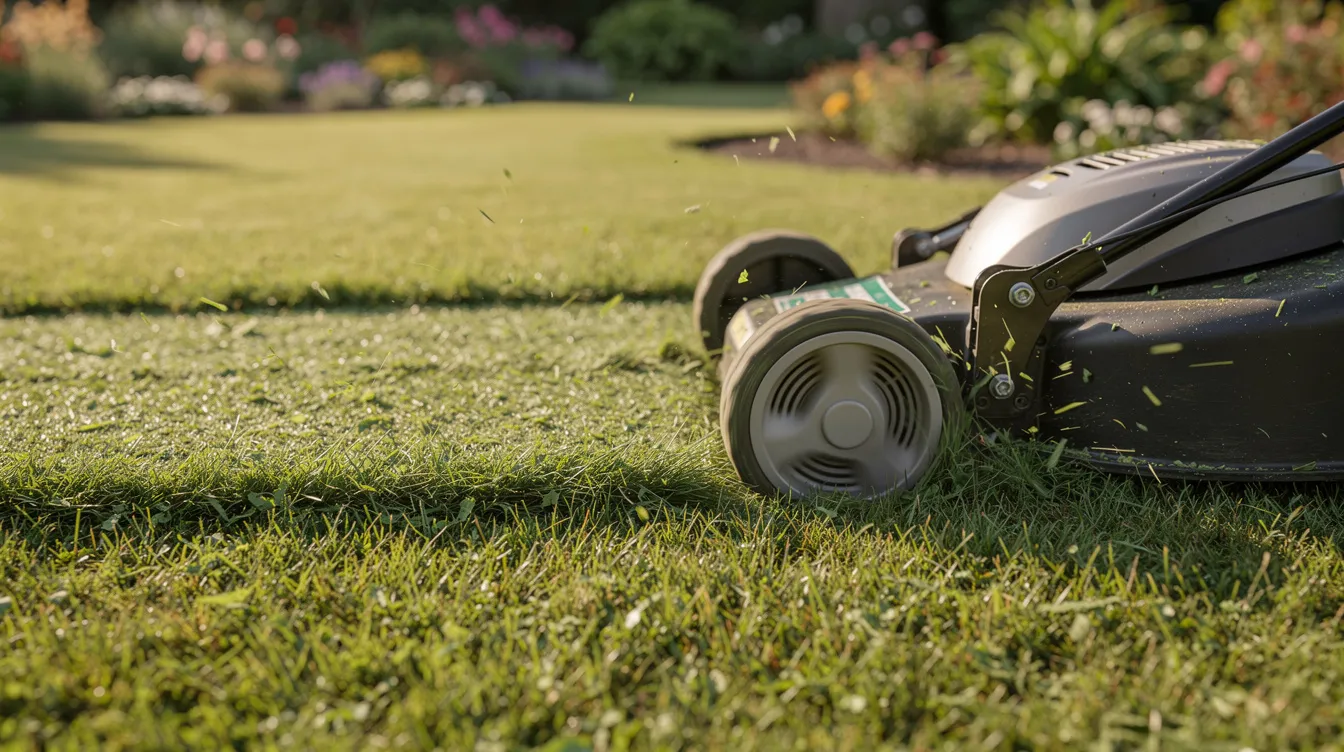
Wet grass and soft ground: avoid mowing wet grass to prevent clumping and disease. Blades tear instead of slicing cleanly, excess clippings clog the mower, and your feet and mower wheels compact soft ground, pressing air out of the soil and creating ruts. Never mow wet grass - it damages turf and compacts soil. Mow only when grass is dry and frost-free.
Frost and frozen ground: avoid mowing during frost to protect grass health. Walking on frozen blades crushes them, leaving blackened tracks that take weeks to recover. Wait until the lawn has completely thawed and dried. Met Office data shows around 7–8 air-frost days in March across many UK locations, with frost risk persisting into late April in northern and inland areas.
Heat and drought: in prolonged hot, dry spells, raise the cutting height, mow less often, and avoid aggressive lawn cuts in the early afternoon sun to prevent scorching. Longer grass shades roots and retains moisture.
When checking weather forecasts online before mowing, you may see a page with the uk performing security verification - this security service screens out malicious bots to protect the site. Once the security verification is complete and verification successful, you can access local forecast data (the page may display a respond ray id confirmation). It's worth the brief wait to get accurate soil temperature readings before you begin.
Environmentally friendly mowing and "No Mow May"
Reducing how often you cut your grass, and how short you mow, can make your garden more environmentally friendly while still looking cared-for.
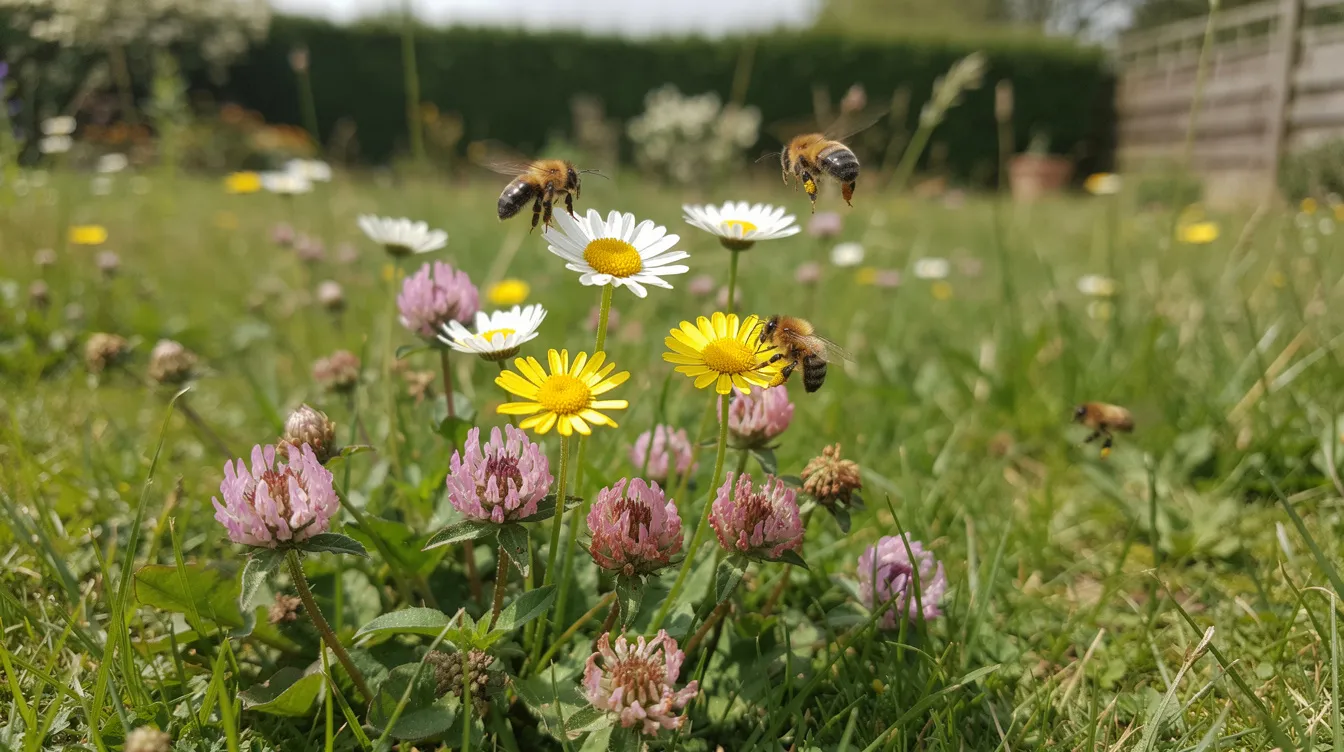
No Mow May, launched by Plantlife in 2019, encourages gardeners to skip or greatly reduce mowing during May. Allowing daisies, clover, and other wildflowers to bloom creates a flower rich lawn that supports bees, hoverflies, and butterflies at a crucial time. The UK has lost roughly 97% of its flower-rich meadow habitat since the 1930s - even a small unmown patch helps.
Practical compromises:
-
Leave longer "wild" strips at the back or edges as a meadow area, mowing paths through long grass
-
Alternate between a full lawn cut and just trimming edges
-
Use a battery-powered lawn mower instead of petrol mowers to reduce emissions and noise
-
Leave fine clippings to mulch in summer - they return nutrients and support soil life
-
Before mowing after letting the lawn grow, check for hedgehogs, frogs, and nesting birds to protect wildlife
Choosing and using your lawn mower wisely
There are four main styles of lawn mowers: cylinder, rotary, hover, and ride-on. Choosing the right type makes timing and technique easier.
-
Cylinder mowers provide a high-quality finish and create stripes - ideal for flat, ornamental lawns
-
A rotary mower is ideal for typical well-used lawns and is the most common and forgiving choice for UK gardens
-
Hover mowers are suitable for cutting grass on slopes and uneven terrain
-
Ride-on mowers are best for larger lawns, providing efficiency and comfort - if you have a large garden or paddock, a ride on model saves hours
Cordless battery mowers suit small to medium lawns with quiet operation and no direct emissions. Petrol mowers remain useful for very large or rough areas. When buying a new mower, match it to your lawn size and terrain.
First mow setup each season: check and sharpen mower blades - sharp mower blades ensure clean cuts and reduce disease susceptibility. Set the cutting height high for the first lawn cut, clear debris from the lawn, and test the new mower on a small patch before doing a full grass cut.
Basic technique for all mowers: overlap passes slightly, vary mowing direction week to week for denser turf, and avoid rushing so the mower has time to cut cleanly instead of tearing.
FAQs about when to mow the lawn
These short answers cover common timing questions about first mow dates, early morning mowing, and special situations.
When is the first time I should mow a new lawn from seed or turf?
For a new lawn from seed, the first mow should wait until grass reaches about 5–7cm tall (mow grass at least 5cm tall for new lawns) and the soil is firm enough that your footprints don't leave deep marks. Set the mower to its highest setting and use a sharp, lightweight mower - a small rotary mower or cylinder works well - removing no more than one third of the blade length. For new turf, wait 2–3 weeks after laying, or until the turf is well rooted and you cannot lift corners easily, before the first gentle lawn cut.
Is it ever okay to mow early in the morning?
Early morning mowing is only acceptable if the grass is completely dry, temperatures are mild, and you won't disturb neighbours - in the UK, that usually means closer to 9–10am rather than sunrise. Mowing when there is dew, rain, or overnight frost on the grass is harmful. Waiting a couple of hours for the lawn to dry is always better for the turf.
Can I mow in winter if the grass looks untidy?
Occasional winter mowing is possible in milder parts of the UK, but only when the ground is firm, the weather is dry, and there is no frost before or after mowing. Set the mower blades high, walk carefully to avoid compaction, and accept you may only do one or two very light grass cuts between December and February - or none at all in colder winters.
What should I do if I missed several weeks and the grass is very long?
Use a staged recovery: start with the mower on its highest setting, remove no more than one third of the height, then repeat a week later at a slightly lower setting until you reach your preferred cutting height. For the very longest patches, strim or scythe first, rake away thick clippings, then finish with the mower to avoid clogging and scalping.
Does leaving clippings on the lawn change when I should mow?
Mulching - leaving fine clippings on the lawn - works best when you mow little and often, removing only a small amount each time so clippings break down quickly. If you miss a mow and the grass is long, collect the excess clippings for that cut, then resume mulching once lawn mowing is back to its normal height and schedule.


