


Knowing when not to cut grass is just as important as any fertilising schedule or watering routine. Every mow is a small wound, and timing that wound badly can undo weeks of careful lawn care. This guide walks you through the specific conditions, seasons, and situations where putting the mower away is the smartest thing you can do for your turf.
Key Takeaways
-
The best times to stop cutting grass are when grass is wet, frozen, under drought or heatwave stress, or when growth naturally slows in late autumn and winter.
-
Mowing in bad conditions carries serious risks:
-
Tearing grass rather than cutting it cleanly, leaving the lawn vulnerable to disease.
-
Soil compaction from mower wheels on soft ground, restricting root growth.
-
Disease spread via wet clippings and contaminated mower decks.
-
Long-term thinning of turf density and colour.
-
-
Before every mow, check your mower blades for sharpness and inspect the lawn for visible disease or stress. If either is off, stop cutting until the issue is resolved.
-
Skipping a mow in bad conditions is not neglect. It is one of the simplest ways to keep your garden looking its best.
Why timing matters when you cut grass
Every grass cut is a wound. When you run a lawn mower across your turf, you remove photosynthetic leaf area, trigger recovery processes, and draw on the plant's energy reserves. Do it under the wrong conditions and you stress roots, invite disease, and lose colour that took months to build.
That is why understanding when to stop mowing matters as much as knowing when to start cutting grass in early spring or how to adjust mowing frequency in summer. Never remove more than one third of the grass blade height in a single pass. This one-third rule protects the crown and keeps the root system strong.
Throughout this article, four factors keep coming back: air temperature, soil moisture, time of day, and the condition of your mower blades. Get these right, and your turf recovers quickly. Get them wrong, and even the best rotary mower in the shed cannot save your lawn.
Never cut grass when it's wet or waterlogged
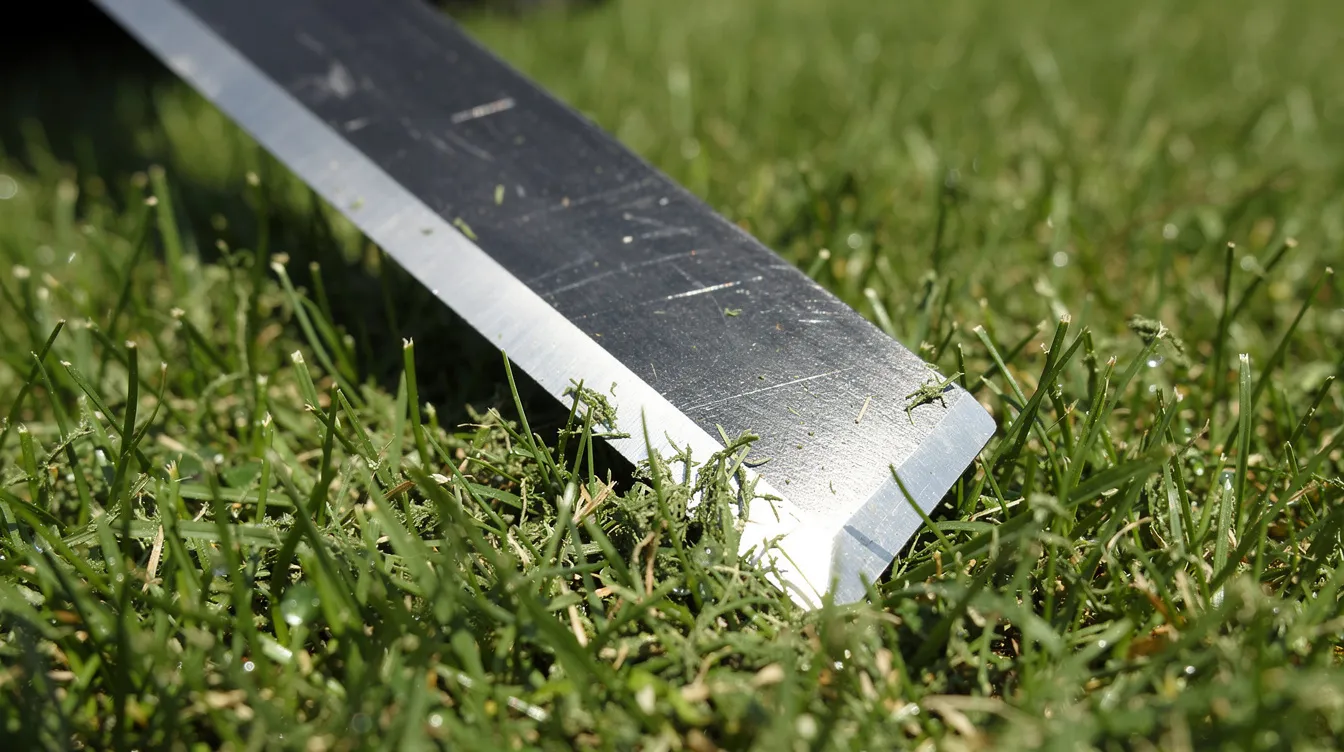
Avoid mowing when grass is wet from rain, heavy dew, or recent irrigation. Wet grass bends under mower blades instead of being sliced cleanly, producing uneven, jagged cuts that promote fungal diseases like brown patch, rust, and red thread. Those frayed tips turn brown within hours and give pathogens an open door.
Mowing wet grass can also damage the soil structure and compact it. A heavy mower on soggy, soft ground closes the air pockets that roots need to breathe, creating waterlogged conditions that make your lawn vulnerable to further fungal problems and soil compaction.
Before you start mowing after rain, test the lawn: walk across it and check whether footprints fill in quickly with no water squelching underfoot. Wait until at least mid morning or late afternoon on a dry day with a light breeze. For the first mow after a very wet spell, raise the cutting height one notch to avoid scalping lush, soft growth. This simple step helps you avoid cutting too aggressively and keeps the turf healthy.
Don't mow during droughts, heatwaves, or the hottest part of the day
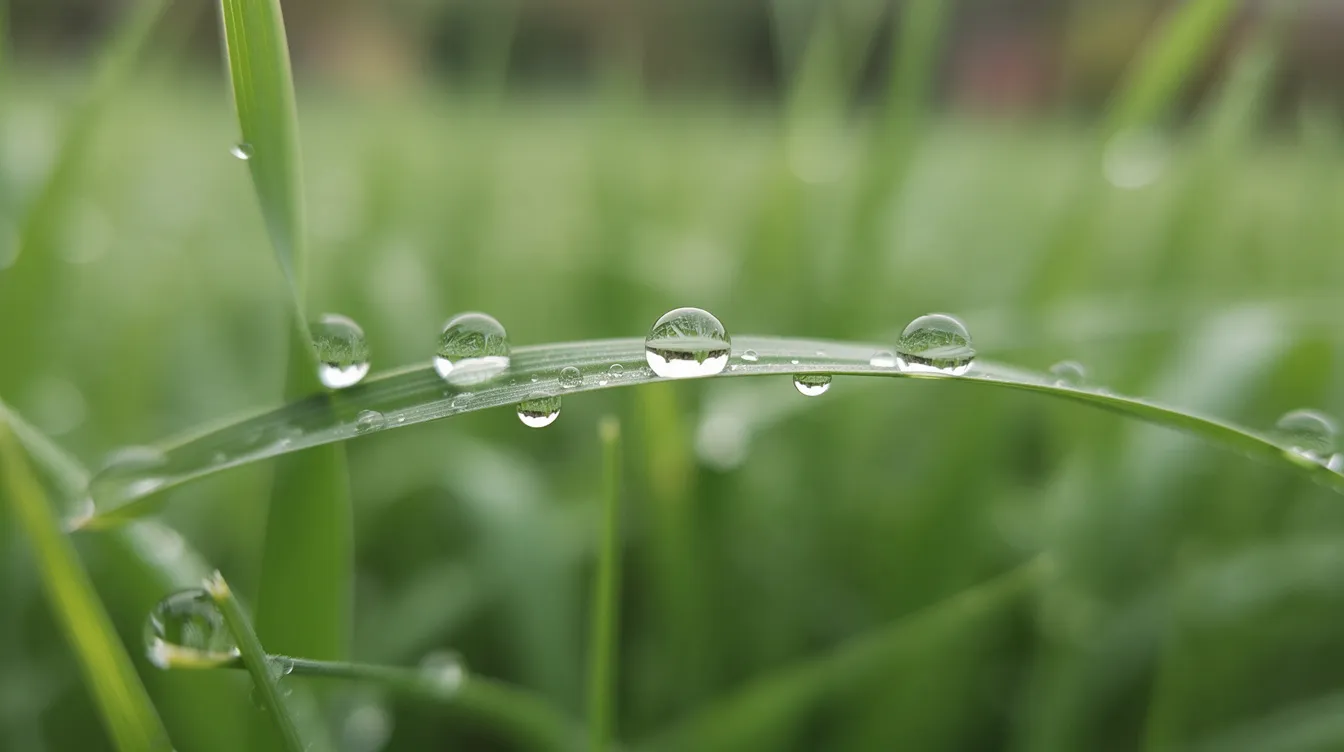
Mowing during drought stresses the grass further and can weaken the grass roots. When the weather starts pushing temperatures above 30°C, cool-season turf slows or stops growing entirely. Cutting during high heat can cause burning and increase evaporation, leaving thin, patchy yellow areas, especially on slopes or south-facing sections in full sun.
Do not mow during drought to reduce stress on grass. If hosepipe bans are in force or the lawn has turned straw-coloured, stop mowing altogether. Focus instead on gentle watering and shade. University of Minnesota research found that delaying mowing under heat and drought significantly improved long-term recovery, even when grass still appeared green.
In warm but not extreme summer conditions, mow every 10 to 14 days if the lawn is dry and showing growth. Avoid mowing in the hottest part of the day. Instead, mow in the early evening, between about 4 and 6 p.m., to allow grass recovery before night. Cut no more than one third of blade height and set a higher mowing height. Mulching petrol mowers can return fine clippings as a light, moisture-retaining layer, provided the lawn is dry.
Avoid mowing in cold, frosty, or frozen conditions
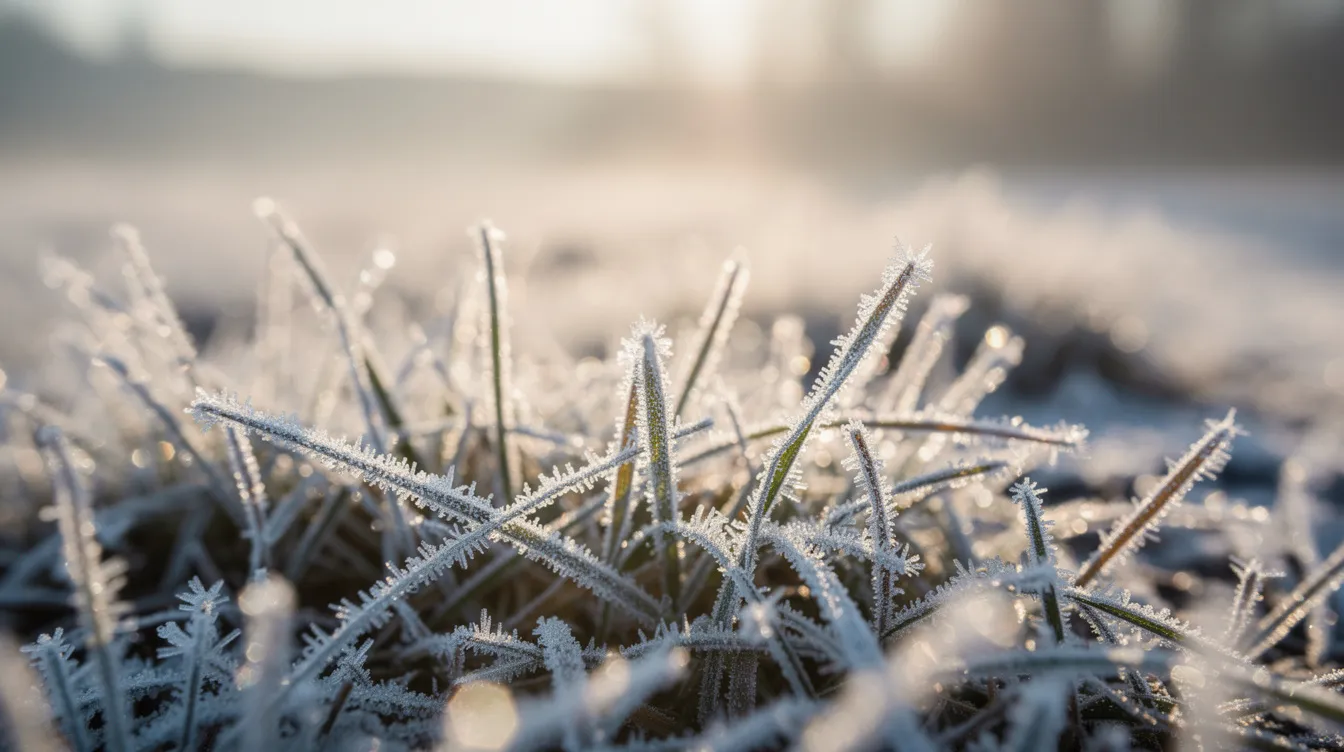
Stop mowing when temperatures drop below 5°C. Frost makes grass blades brittle and vulnerable to damage, and walking or running a mower over frozen turf can snap crowns and leave grey or black scars that persist until spring. Cutting grass while it is frozen can cause permanent damage to both leaf tissue and the crown.
As a general rule, stop cutting cool-season lawns once daytime highs stay consistently below about 10°C and growth has visibly slowed. Mowing should start again only when temperatures exceed 6°C and the ground has thawed. In very mild winter months, you can mow grass in winter only when dry and frost-free, setting mower blades high to just trim the tips. Keep grass height at 1.5 to 2 inches during winter months and mow every two weeks in winter if conditions allow.
Schedule the final autumn cut on a dry, mild day. In many temperate regions this falls in late October or early November. Set the cutting height slightly higher than usual to protect crowns over the winter. Do not rush to start mowing in late March or early April just because one warm week appears. Wait until the soil is firm, the lawn is dry, and grass shows steady vertical growth over 10 to 14 days before that first mow of early spring.
Times of day when you should not mow your lawn
Even on a perfect weather day, the time of day still determines how clean and safe your grass cut will be. Avoid mowing early in the morning when the lawn is usually covered in dew or frost. Cutting grass too early in the morning can damage it because wet leaves clog the mower deck, form clumps of debris, and increase the risk of slipping or scalping uneven ground.
Mowing during the hottest part of the day, roughly 12 to 3 p.m. in late spring and summer, exposes freshly cut tips to maximum sun. That drains moisture and stresses the turf, especially after a low cut. On the flip side, mowing just before sunset is also unwise. Grass needs at least a couple of daylight hours to begin sealing cut surfaces before cool, damp night air encourages fungal growth.
The best time to mow is mid morning, around 9 to 11 a.m., or late afternoon, about 4 to 7 p.m. These windows give you dry grass, moderate temperatures, and enough remaining daylight for recovery. Mow between 4 and 6 p.m. to allow grass recovery before night whenever the weather allows.
When mower blades, lawn health, or treatments mean "stop cutting"
Sometimes the problem is not the weather but the condition of your equipment or the lawn itself. Dull mower blades can tear grass blades, leading to disease vulnerability instead of the clean slice a sharp edge provides. If grass tips turn white or brown within a day of mowing, stop cutting and sharpen or replace the blade.
Do not mow if the lawn is struggling with disease. Visible symptoms such as brown patch circles or powdery mildew mean that regular mowing can spread spores via the mower deck and clippings. Reduce regular cuts, clean equipment thoroughly, and treat the problem before resuming. University of Maryland Extension notes that correct mowing height alone can reduce disease incidence by 50 to 80 per cent in tall fescue lawns.
Avoid cutting 24 to 48 hours before and after applying selective weedkillers. Longer grass gives more leaf area for the product to stick, helping it tackle weeds effectively. After heavy granular fertiliser, mow just before application, then pause for a few days so new growth can absorb nutrients without the stress of another cut. Young seedlings also require time to establish roots before mowing, so hold off on that section until they are well anchored. Keep your mower ready, but only use it when conditions are right.
Seasonal "stop mowing" points: when growth naturally slows
Lawns have natural slow-down periods when you should either stop cutting grass or significantly reduce mowing frequency. In late autumn, as daylight shortens and temperatures drop towards 6 to 8°C, growth almost stops. Continuing regular mowing at this point can thin the turf and scalp higher spots.
In many temperate climates, the final regular mow falls between late October and late November. After that, only occasional tidy-up cuts on a dry day are needed. Mowing dormant grass can weaken it and make it susceptible to disease, so avoid cutting just to keep the garden neat during the winter months.
Early spring is another transition to handle carefully. Do not rush to start mowing in just a section of warm weather. Wait until soil is firm, grass shows clear vertical growth, and conditions are consistently above 6°C. Use growth as your guide, not the calendar: if you cannot see much upward progress over 10 to 14 days, keep the mower in the shed.
When it's good to stop mowing on purpose (for wildlife and resilience)
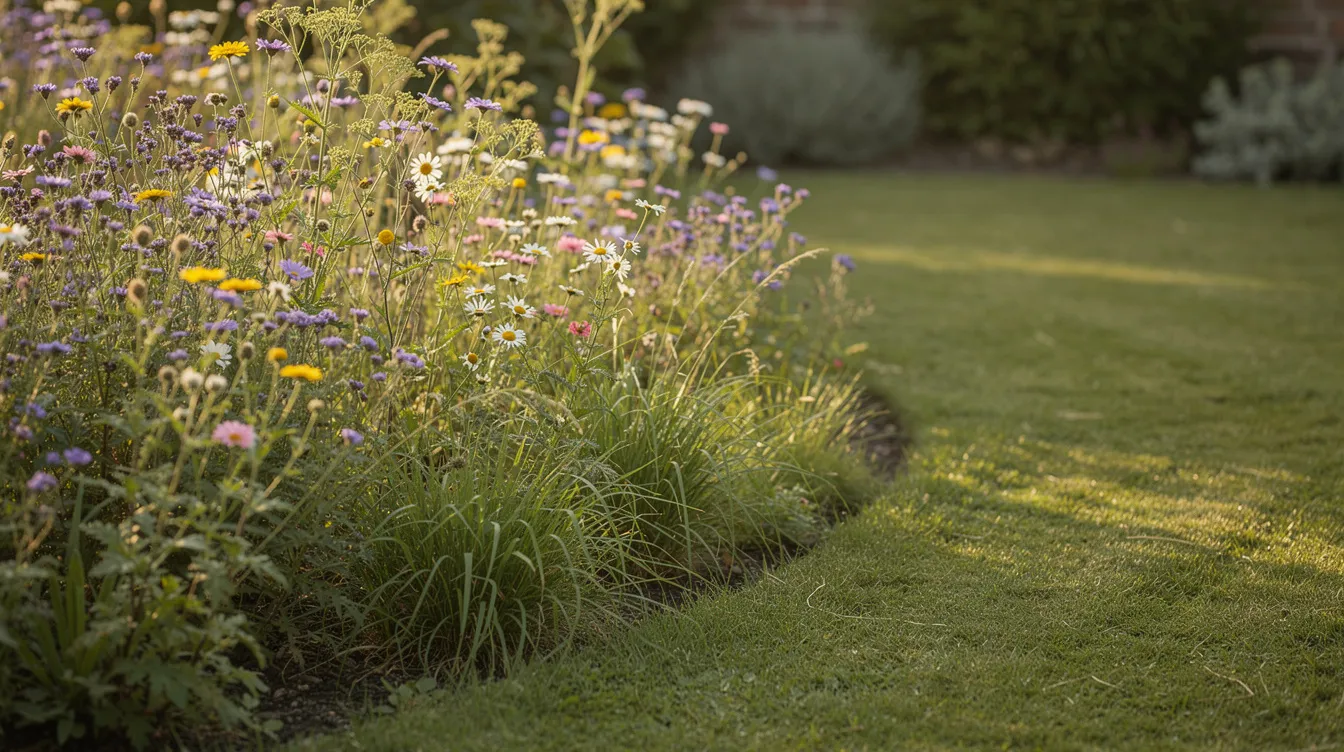
Sometimes choosing to stop mowing is a deliberate strategy rather than a weather-based rule. Letting just a section of your garden grow long, perhaps a back corner or a strip near tree roots and fences, from May to July supports pollinators, wildflowers, and small mammals without making the whole lawn look abandoned.
Keep a short, usable area near the house for regular use while allowing peripheral zones to develop into a mini meadow. Slightly longer grass kept at around 7 to 10 cm by raising mower blades develops deeper roots, shades the soil, and copes better with summer dry spells. Research published in Crop Science found that lawns managed at taller cutting heights retained greener colour under drought with similar water usage.
The best cut for these areas is a high cut once or twice in late summer after flowering and seed set. Sharply defined edges and mown paths maintain aesthetics even when the rest of the garden is left longer. Experiment with mowing less frequently instead of stopping entirely, and observe how your healthy lawn responds in terms of colour, density, and wildlife activity.
Frequently Asked Questions
These FAQs cover common edge-case situations that the sections above do not fully address. Each answer gives you a quick, practical steer.
Is it ever safe to mow slightly damp grass?
If there is no visible sheen and no clippings sticking to your shoes, you can mow your lawn with sharp blades and a powerful rotary mower. The finish will not be as clean as on a fully dry lawn. Raise the cutting height one notch, mow slowly, and stop if clippings start clumping under the deck.
Can I mow my lawn in winter if it looks untidy?
Yes, but only occasionally on dry, frost-free days above about 5 to 6°C. Set mower blades high to just trim the tips and cut grass at a height of 1.5 to 2 inches in winter. Avoid heavy ride-on mowers on soft ground in winter, as their weight can leave ruts that are difficult to repair once the weather starts warming in spring.
What should I do if I accidentally mowed in bad conditions?
Rake out heavy clumps of wet clippings and avoid further foot traffic on damaged or compacted areas. Let the lawn dry and rest. Once conditions improve, try light aeration on badly marked patches, overseed thin spots, and return to a gentler mowing schedule with a higher grass height to keep the lawn healthy.
How do I tell if my mower blades are too dull to keep cutting?
If grass tips turn white or brown within a day of mowing and feel ragged when rubbed between your fingers, the blades are dull. Inspect the blade edge for visible nicks, rounding, or bends. If you spot any of these, stop cutting and sharpen or replace the blade before the next mow.


