


Most people think treating grass means grabbing a single product off the shelf and hoping for the best. In reality, it takes a combination of regular mowing, targeted feeding, smart watering, weed control and overseeding to keep a lawn looking its best year round. This guide walks you through every step, season by season, so you can achieve a healthier, thicker lawn without the guesswork.
Key Takeaways
-
Treating grass is not a one-off task. It means combining mowing, feeding, watering, weed control and overseeding into a seasonal plan that strengthens grass roots and thickens turf over time.
-
Quick-fix products give short-lived results. Consistent lawn care contributes to dense grass that resists weeds, while consistent maintenance is essential for a healthy lawn that stays green summer long.
-
Most common problems - bare patches, moss growth, tired-looking turf - can be reversed with correct mowing height, a targeted lawn feed, effective weed control and reseeding over one to two growing seasons.
-
New lawns (laid or sown since spring 2024 onwards) need gentler lawn treatment: careful watering, lighter feeding, and no harsh weedkillers in the first year.
Understanding What "Treating Grass" Really Means
Many homeowners hear "treating grass" and picture spraying a single product across the whole lawn. In practice, it covers everything from mowing and watering to feeding, aeration, overseeding and pest management.
There is an important distinction between a lawn treatment and ongoing lawn care. A treatment is a specific intervention - applying fertiliser, using a moss killer, or spraying a lawn weed killer. Lawn care is the full routine across the year: the mowing schedule, the seasonal feeds, the overseeding, the watering discipline. One without the other rarely delivers lasting results.
The goals are straightforward: denser grass cover that crowds out lawn weeds, stronger roots to cope with UK weather swings (heavy rain, drought, frost), and an even green colour across your garden. The rest of this article follows a logical sequence - assess, mow, water, feed, repair, control weeds, deal with moss and thatch, then maintain through every season.
Assessing Your Lawn Before You Treat the Grass
Before spending money on treatments, take ten minutes to inspect your lawn in early spring (March–April) or early autumn (September). A quick assessment helps you choose the right actions rather than guessing.
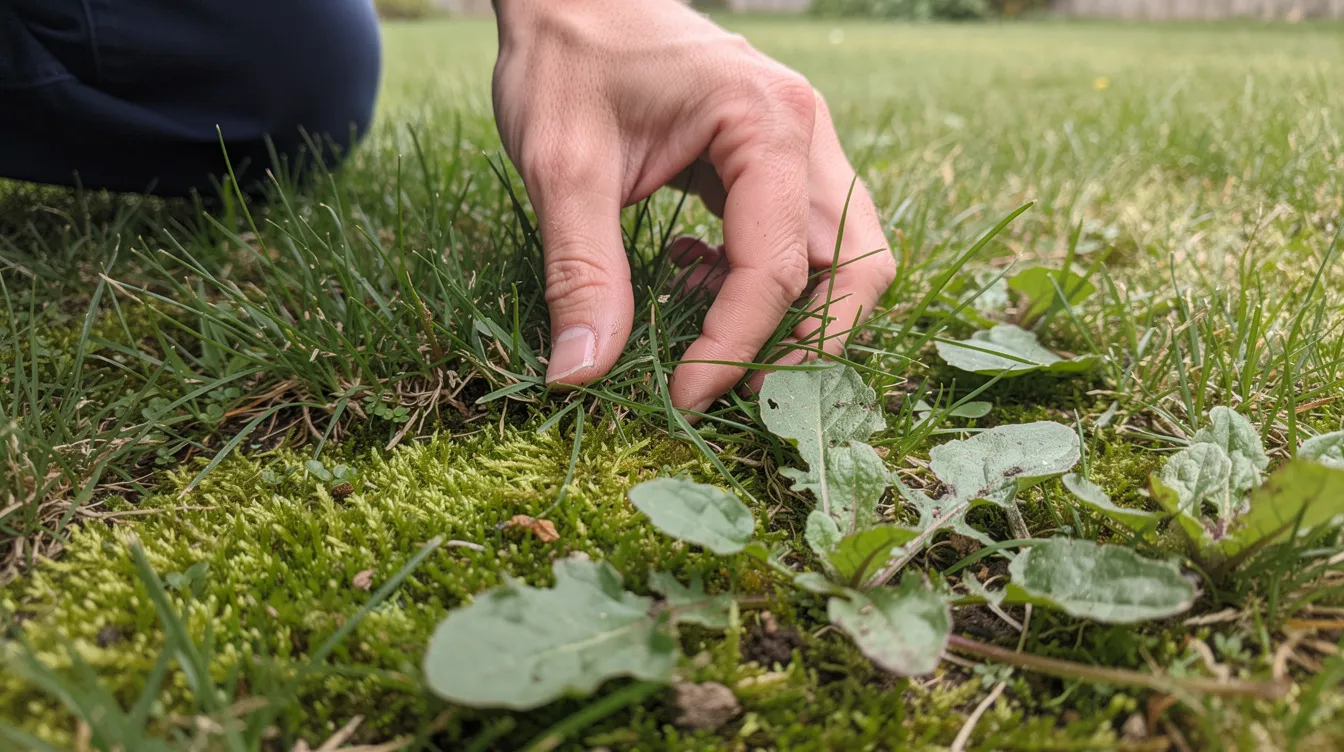
Walk the lawn and look for specific issues: yellowing grass (often a nitrogen deficiency or compaction), moss build-up in shaded or damp spots, common weeds like dandelions, clover, daisies and plantains, areas where water pools after rain, and any obviously bare patches. Observing irregular brown patches can indicate pest problems worth investigating further.
Try a simple "shoe test." If footprints remain visible after you walk across the lawn, soil is likely compacted and will need aeration before other treatments work properly. You can also push a garden fork into the ground - if the tines won't penetrate 10–15 cm with moderate effort, compaction is confirmed.
Identify whether your grass is a fine ornamental mix (fescues, bent grasses) or a hard-wearing ryegrass blend, because this affects ideal mowing height and how aggressively you can scarify. Take two or three smartphone photos of problem areas so you can track progress as treatments are applied across the growing season.
Correct Mowing: The First Treatment for Stronger Grass
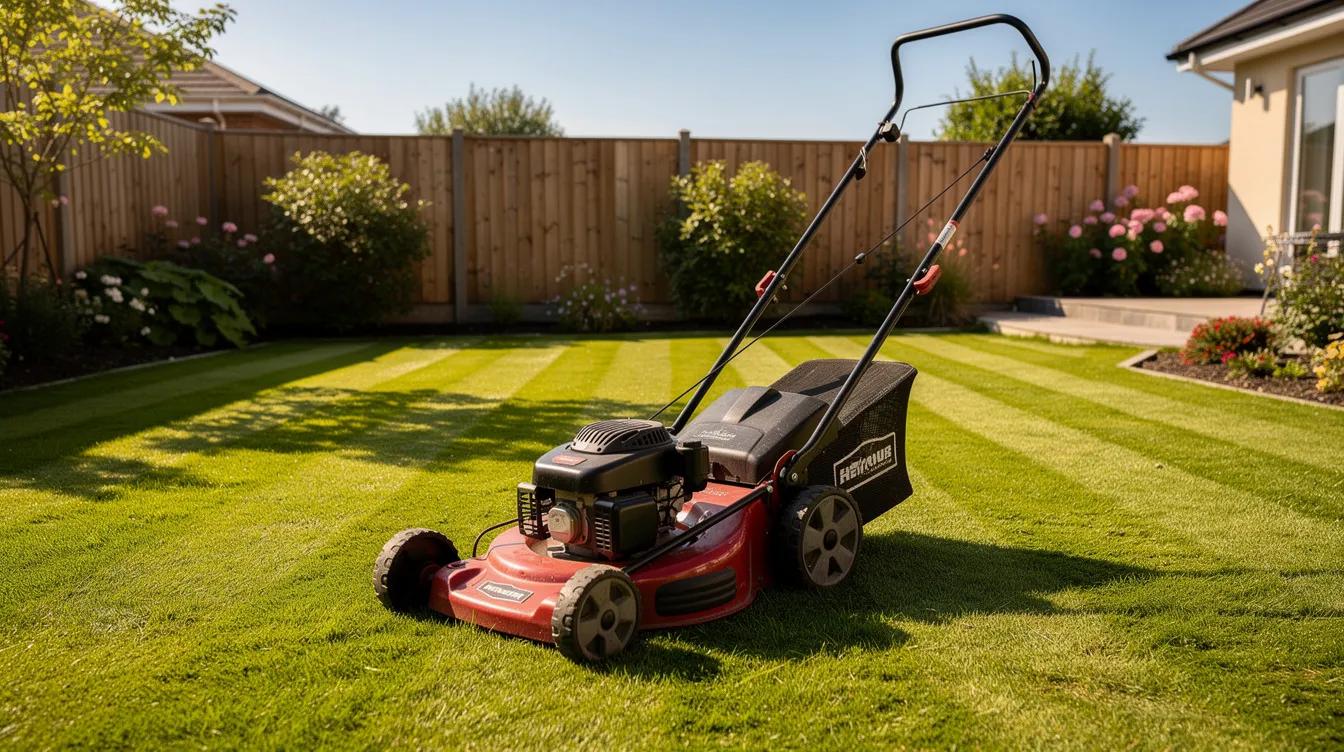
Regular mowing is the single most powerful treatment you can give your grass. It influences root depth, controls weed growth and improves drought tolerance - all without spending a penny on products.
Follow these core mowing tips:
-
The one-third rule: never cut more than one-third of grass height at once. Scalping stresses turf and exposes soil to weeds.
-
Cutting height: mow grass to a height of 4–5 cm (1½–2 in) for average UK family lawns. Fine ornamental lawns can go to 2–3 cm. Shaded or drought-prone areas benefit from 7–8 cm. Grass heights of 2.5 to 3 inches help shade the soil and prevent weeds from establishing.
-
Seasonal frequency: start mowing in late March or April. Use a high blade setting for your first spring mow and cut every 7–10 days. Mow at least once a week during summer months when growth is rapid. Reduce in autumn, and stop mowing when the ground is frozen or waterlogged in winter.
-
Direction: change mowing direction every few weeks for healthier, more upright growth.
-
Blade care: sharp mower blades help prevent tearing the grass. Blunt blades leave ragged edges that brown and invite disease. Sharpen at least once per season.
-
Clippings: leaving grass clippings on the lawn provides natural fertilization, returning nutrients to the soil.
Regular mowing also prevents weeds from flowering and setting seed, which is one of the simplest ways to prevent weeds across the whole lawn. Keep mower edges tidy for a neat finish.
Watering Grass the Right Way (Without Wasting Water)
Correct watering is a key treatment for grass, but established lawns usually do not need regular watering. UK rainfall covers most of the year - it is only during dry spells in summer that supplementary watering becomes important.
Lawns lose about 24.5 litres of water per square metre weekly during hot, dry weather. Deep, infrequent watering encourages deep root growth in lawns, while daily light sprinkling keeps roots shallow and weak. For established lawns, water thoroughly once a week in summer during prolonged dry weather, applying enough to soak the top 10–15 cm of soil.
For a new lawn (sown or turfed within the last 12 months), water new lawns daily for 4–6 weeks to keep the surface moist while roots establish. After this period, gradually reduce frequency and increase depth to drive roots deeper into the ground.
Practical timing matters: watering early in the morning minimises evaporation risks, and watering should be done early morning or late evening for best results. Avoid watering in the hottest part of the day. If heavy rain is forecast, save the water.
Eco-friendly practices make a difference too. Use water butts for rainwater, reuse grey water where safe, and accept that grass may turn brown during dry summers. A healthy lawn usually recovers once autumn rain arrives - the browning is dormancy, not death.
Feeding Grass: Choosing and Using Lawn Fertilisers
Feeding is one of the most visible treatments for grass. A well-timed lawn feed can turn pale, tired turf into a richer green, but timing and product choice matter far more than quantity.
The three main nutrients are nitrogen (N) for leafy growth, phosphorus (P) for roots, and potassium (K) for stress tolerance. Use nitrogen-rich fertilizers to promote lawn growth and color in spring, and potassium-dominant feeds to harden grass before winter.
Seasonal guidance:
|
Season |
Months |
Feed Type |
Focus |
|---|---|---|---|
|
Spring |
Late March–May |
High nitrogen |
Kick-start growth |
|
Summer |
June–August |
Moderate, slow-release |
Maintain without forcing |
|
Autumn |
September–October |
Low nitrogen, high potassium |
Harden for winter |
Spring feeds should be high in nitrogen for growth, while autumn feeds should be high in potassium for hardiness. Feed your lawn at least twice a year - most domestic lawns only need two to three properly timed applications. Fertilize lawns in spring and autumn when the soil is moist for best nutrient uptake.
Granular vs liquid: granular feeds can be applied using a lawn spreader, which is essential for even coverage on a large lawn. They release nutrients slowly over weeks. Liquid lawn feeds work quickly and reduce burning risk, making them useful for a fast top-up during stressful dry weather.
Follow label rates carefully (typically 35–70 g per square metre) and water in granules if conditions are dry. Over-feeding causes streaky, burnt patches and excessive growth that demands constant mowing - the opposite of what you want to achieve.
Weed Control: Treating Lawn Weeds Without Harming the Grass
Lawn weeds are a symptom, not just a cosmetic problem. They exploit thin grass, compacted soil and poor feeding. Treat the underlying causes and the weeds become far easier to manage.
The most common UK lawn weeds include dandelion, plantain, daisy and clover. These compete with grass for light, water and nutrients. Left unchecked, they spread quickly into any gaps in your turf.
Manual control: hand weeding is effective for removing unwanted plants in small areas. Use a weed fork or knife, ensuring you remove the full taproot of deep-rooted weeds like dandelions. Manual removal is effective for small weed infestations and avoids chemicals entirely.
Chemical control: selective lawn weedkillers are specially designed to target broadleaf weeds without harming grass. Lawn weedkillers target weeds without harming grass when used according to the label. Apply during active growth in late spring to early summer (May–June), when soil is moist and rain is not expected for several hours. Spot treatments are preferable to blanket applications for pesticides - treat only where weeds are present rather than drenching the whole lawn.
Safety matters: avoid spraying on windy days, keep pets and children off treated areas until dry, and never over-apply. A thick, well-fed sward is the most effective long-term weed control because a healthy lawn can naturally shade out weeds, and thick grass is a natural defence against pests and diseases. Focus on good mowing, feeding and overseeding to prevent weeds from ever taking hold among other plants.
Repairing Bare Patches and Thin Grass with Seed
Treating bare patches quickly stops weeds and moss from colonising exposed soil. Grass seed is almost always cheaper than re-turfing for small areas, and the results blend better with your existing lawn.
When to sow: overseed lawns in spring or autumn for lush growth. The ideal windows are mid-April to late May and early September to early October, when soil temperatures are above about 10°C and rainfall is more reliable.
Preparation:
-
Remove weeds from the bare area.
-
Lightly fork or rake the soil to 2–3 cm depth.
-
Level the surface so it sits flush with surrounding lawn.
-
Apply a thin layer of top dressing, which improves soil structure and encourages seed germination.
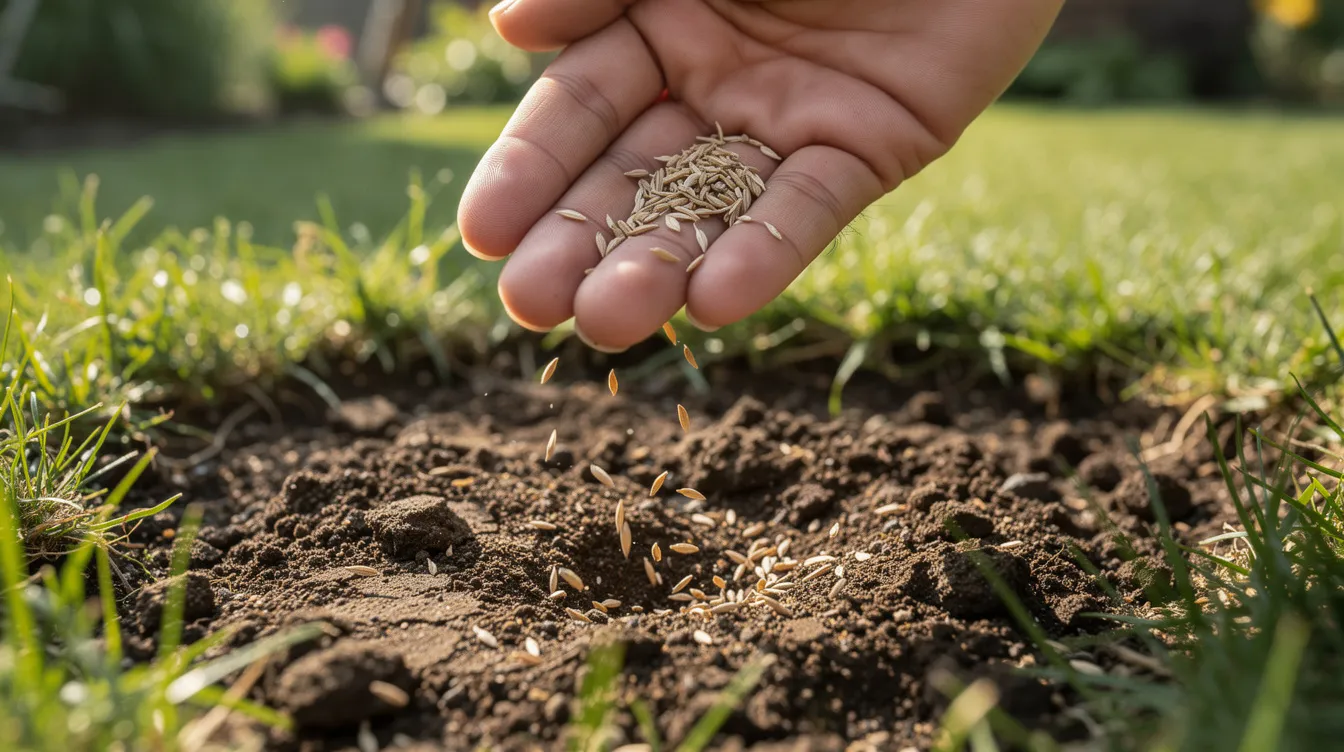
Seeding: sow a lawn seed mix for bare patches at roughly 25–35 g of grass seed per square metre. Choose a mix that matches your existing lawn - shade-tolerant fescue blends for shaded spots, hard-wearing ryegrass for high-traffic zones. You can also apply a lawn patch repair mix for quick results on smaller damage. Overseeding creates a denser lawn that crowds out weeds, making future maintenance easier.
Aftercare: firm seed lightly into the soil, keep the area consistently moist for 2–3 weeks, and delay mowing until the new grass reaches 5–8 cm. Protect newly sown seed from birds with temporary netting, and keep children and pets off until the grass thickens.
Dealing with Moss, Thatch and Compacted Soil
If you ignore moss, thatch and compaction, every other lawn treatment you apply - fertiliser, weed control, grass seed - will work only half as well. These three issues block air, water and nutrients from reaching grass roots.
Moss: moss thrives in damp, poorly drained lawns, especially where shade, low mowing or acidic soil weakens grass. Apply moss killer to control excessive moss growth - applying moss killers in early spring or autumn helps control moss effectively. Ferrous sulphate at around 4 g per square metre will blacken moss within 7–10 days. Once dead, rake it out with a spring-tine rake or scarifier, then address the underlying causes to get rid of it long-term.
Thatch: thatch is the spongy layer of dead roots and stems sitting above the soil. Scarifying removes thatch to improve lawn health, and also removes moss and dead plant material in the process. Scarifying is best done in spring and autumn. Removing thatch through scarification prevents bald patches and opens the surface for air, water and seed. Scarify lawns in spring to remove thatch buildup before the main growing season begins.
Compaction: aeration allows air and water to reach grass roots by creating channels through compacted soil. Aeration helps reduce soil compaction in lawns and should be performed annually for optimal results. Aeration can be done using a garden fork or mechanical aerator - push tines 8–10 cm deep, spaced every 10–15 cm, then brush in sand or fine topdressing where drainage is poor. Aerate your lawn annually to improve drainage and growth.
Heavy scarification or aeration is best followed by overseeding and a light feed - turning hard work into an opportunity to renew the lawn entirely.
Treating New Lawns Gently (Seeded and Turfed Lawns)
A new lawn seeded or turfed since spring 2025 needs softer treatment than established lawns. Roots are still shallow and easily damaged by aggressive products or heavy use.
Watering: water new lawns daily for 4–6 weeks until established, keeping the surface moist but not waterlogged. After this period, gradually reduce frequency to encourage deeper rooting into the ground.
First mowing: wait until new grass reaches about 7–8 cm before the first cut. Set your mower to its highest setting and trim to around 5 cm. Sharp blades are essential - avoid tight turns that might lift new turf or disturb the soil.
Feeding: use a light, balanced fertiliser at half the normal rate once the lawn has been mown two to three times. Avoid strong high-nitrogen or weed-and-feed products in the first growing season. Grass should be kept at a height of 2.5 to 3 inches for deep roots during establishment.
Weed management: do not use selective lawn weedkillers on brand-new lawns until they are at least six months old, or as the product label directs. Rely on hand weeding initially to remove any unwanted wild plants without stressing young grass.
Traffic: limit heavy footfall, garden furniture and children's play on new lawns for the first two to three months, especially after rain, to prevent ruts and compaction forming before roots are strong.
Seasonal Lawn Care Plan: Treating Grass All Year Round
The most effective way to treat grass is to follow a simple, repeating seasonal plan rather than reacting only when problems appear. Lawn treatments are best conducted in spring and autumn, with lighter maintenance through summer and winter.
Spring (March–May): start mowing once soil temperature reaches about 8°C, beginning on a high setting. Scarify if thatch has built up over winter. Aerate compacted zones. Apply a high-nitrogen spring feed. Carry out the first weed control where needed and overseed any thin or bare patches. This is your main window for renovation.
Summer (June–August): keep up regular mowing and tidy edges weekly. Water deeply during dry spells rather than daily sprinkling. Spot-treat weeds where they appear. Avoid heavy scarification or high-nitrogen feeds in intense heat - the goal is to keep the lawn healthy rather than force growth. A well-treated lawn should stay lush and green through even the warmest weeks.
Autumn (September–October): this is the second major treatment window. Overseed thin areas, apply an autumn feed, and tackle moss if needed. Carry out heavier scarification and aeration as required. Give the lawn a final shape-up mow before growth slows, and make sure to stop mowing once the ground becomes too soft or frozen.
Winter (November–February): minimal intervention. Mow only during mild spells when the ground is firm. Stay off frozen or waterlogged grass. Clear fallen leaves to prevent yellowing and fungal disease. Use winter to plan spring treatments, order seed, and review what worked. You do not need a perfect lawn through winter - patience here pays off.
A simple 12-month checklist ensures each treatment happens at the right time. This lawn care advice applies whether you have a compact urban garden or a sprawling country plot.
Frequently Asked Questions About Treating Grass
Below are answers to common questions not fully covered in the main sections. Use these tips alongside the seasonal plan above.
How long does it take for lawn treatments to show visible results?
Liquid feeds can make grass grow visibly greener within 3–7 days. Granular fertilisers usually take 1–2 weeks for full effect. Weed control treatments may take 2–4 weeks to fully curl, yellow and kill lawn weeds, and stubborn species may need a second application. Structural improvements from aeration, overseeding and better mowing can take a whole growing season - spring to autumn - to transform a lawn's density and resilience.
Can I treat grass in the rain, or should I wait for dry weather?
Light rain soon after applying granular fertiliser is actually helpful - it washes nutrients into the soil. Heavy rain, however, causes runoff and waste. Selective weedkillers generally need a dry window of several hours after application so the product can be absorbed by leaves. If heavy rain is forecast within 6–12 hours, delay herbicide applications but proceed with most fertilisers provided the lawn is not waterlogged.
Is it better to treat grass with organic products or synthetic ones?
Organic feeds release nutrients slowly and support soil life, but may work more gradually and spread a stronger smell. Synthetic fertilisers give faster, more predictable results and are more concentrated, but can scorch grass if misused. A blended approach suits most home lawns: mainly organic or slow-release feeds with occasional targeted synthetic treatments where a quick response is needed.
What is the best way to treat grass used by children and pets?
Choose pet- and child-safe products where possible and always follow label advice on re-entry times. Time applications of weedkillers and moss killers for dry days when children and pets can stay off the grass until the product has dried. Focus heavily on cultural treatments - good mowing, aeration, overseeding, light feeding - in high-use family lawns to reduce reliance on chemical weed control over time.
Can I turn part of my treated lawn into a low-maintenance wild area?
Yes. Let one section grow longer from May to August to encourage wildflowers and other wild plants, while treating the rest of the grass traditionally. Stop weedkillers in the chosen area at least a full season before, and mow only once or twice a year (late June and September) to allow flowering and seeding. This reduces mowing work, increases biodiversity for birds and insects, and still lets you maintain a neat, closely treated grass area nearer the house or patio.


