


If you’ve ever stood in a garden centre staring at shelves of lawn products, or even wondered whether artificial grass or real grass is right for you, you’re not alone. The good news is that choosing the best lawn treatment products becomes much simpler once you match specific solutions to your lawn’s actual issues. This guide cuts through the confusion and gives you practical, UK-focused advice for achieving greener grass without the guesswork.
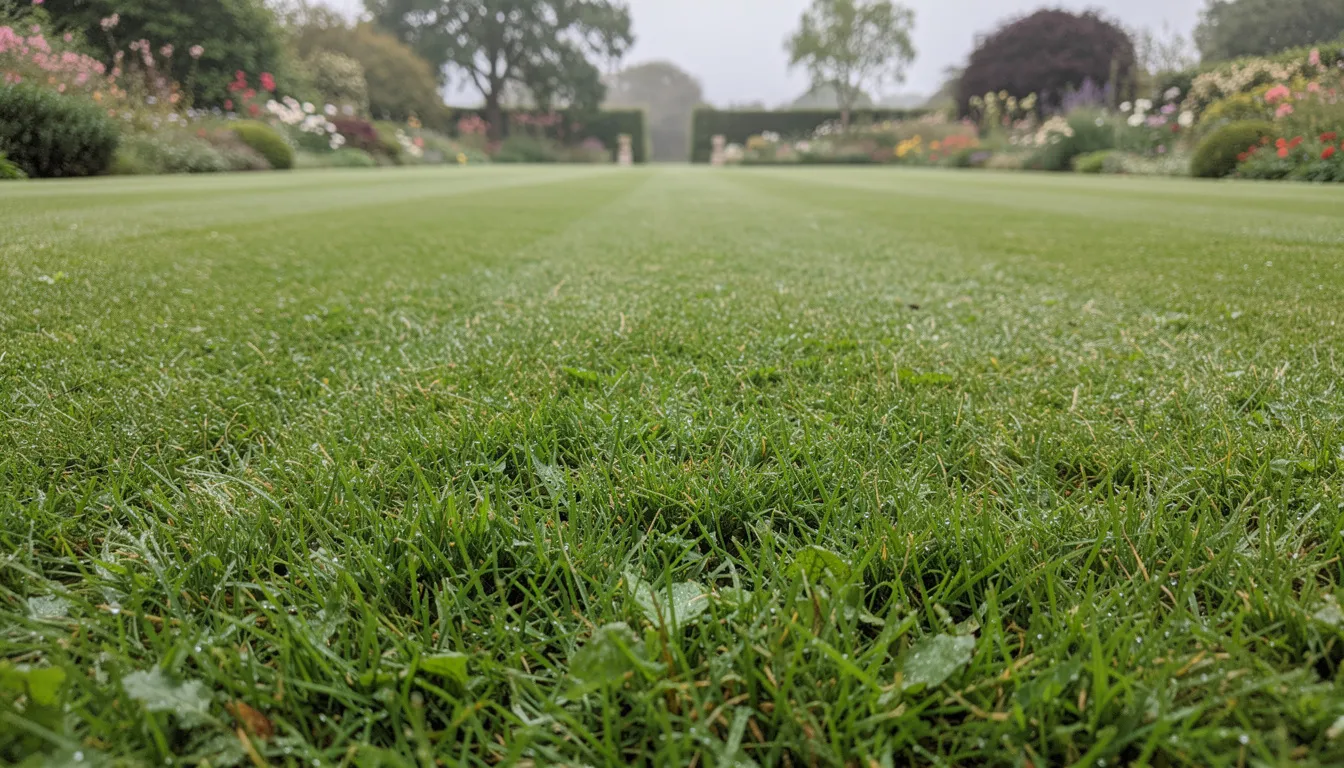
Quick Answers: The Best Lawn Treatment Products for Common UK Problems
Let’s start with the most common lawn problems UK homeowners face and the product types that solve them. Whether you’re battling moss, weeds, or bare patches, here’s your quick reference to get started.
-
Patchy, thin grass → High-quality grass seed combined with a balanced granular fertiliser. Overseed in spring or autumn when the soil is warm and moist for best germination.
-
Yellow, tired lawn → Slow-release granular lawn fertiliser for spring and summer feeding, switching to a gentler autumn feed with higher potassium to harden the grass for winter.
-
Moss-filled lawn → A moss killer containing ferrous sulphate, ideally combined with feed, followed by raking out dead moss and overseeding the bare areas.
-
Weedy lawn → Combined feed, weed and moss treatment for conventional grass-only lawns. These products tackle broadleaf weeds like dandelions and daisies while feeding your grass.
-
Shaded or tree-heavy lawn → Shade-tolerant grass seed plus a low-nitrogen, seaweed-based tonic to encourage root growth without weak, leggy leaf growth.
-
Pet and child-friendly needs → Natural or organic-style fertilisers that are safe once dried or watered in. Always check labels for re-entry timings.
The GREENER system takes this matching process off your hands entirely. Through Transformation for initial renovation and Seasonal Care with GROWTH, POWER, and BOOST, your lawn receives exactly what it needs at the right time—no product research required.
How to Choose the Best Lawn Treatment Products for Your Lawn
The “best” lawn treatment products depend entirely on your lawn’s current condition, your soil type, and what time of year you’re treating. What works brilliantly for your neighbour might not suit your garden at all.
Here are the key factors to consider:
-
Your lawn goal – Are you after a bowling-green finish, a hardwearing family lawn for kids and pets, or a more wildlife-friendly space with some wildflowers?
-
Current issues – Identify whether you’re dealing with moss, weeds, bare patches, compaction from heavy foot traffic, shade from trees, or a combination of these.
-
Lawn size – Smaller lawns can use liquid fertilisers applied with a watering can. A large lawn often suits granular feeds applied with a spreader for even coverage.
-
Safety requirements – If you have pets, children, or sensitive plants nearby, check product labels carefully for re-entry timings and keep everyone off until it’s safe. For more detail, see our dedicated guide to pet-safe lawn care products.
The UK climate plays a major role in product choice. Our wet winters, unpredictable summer weather, and mild springs mean slow-release and season-specific products deliver far better results than generic “one-size-fits-all” feeds. Ideally, you want products that release nutrients steadily rather than in one surge.
GREENER’s tailored programme matches products to these factors automatically, so you don’t need to decode labels or calculate square metre coverage yourself.
Best Lawn Fertilisers and Feeds for a Greener, Thicker Lawn
Lawn fertiliser provides the essential nutrients your grass needs to grow strong, green, and healthy. The NPK ratio on the bag tells you the balance of nitrogen (N) for leaf growth and colour, phosphorus (P) for root development, and potassium (K) for disease resistance and drought tolerance. In the UK, feeding matters because grass needs to recover from winter dormancy, cope with summer dry weather, and build resilience against our often-wet conditions.
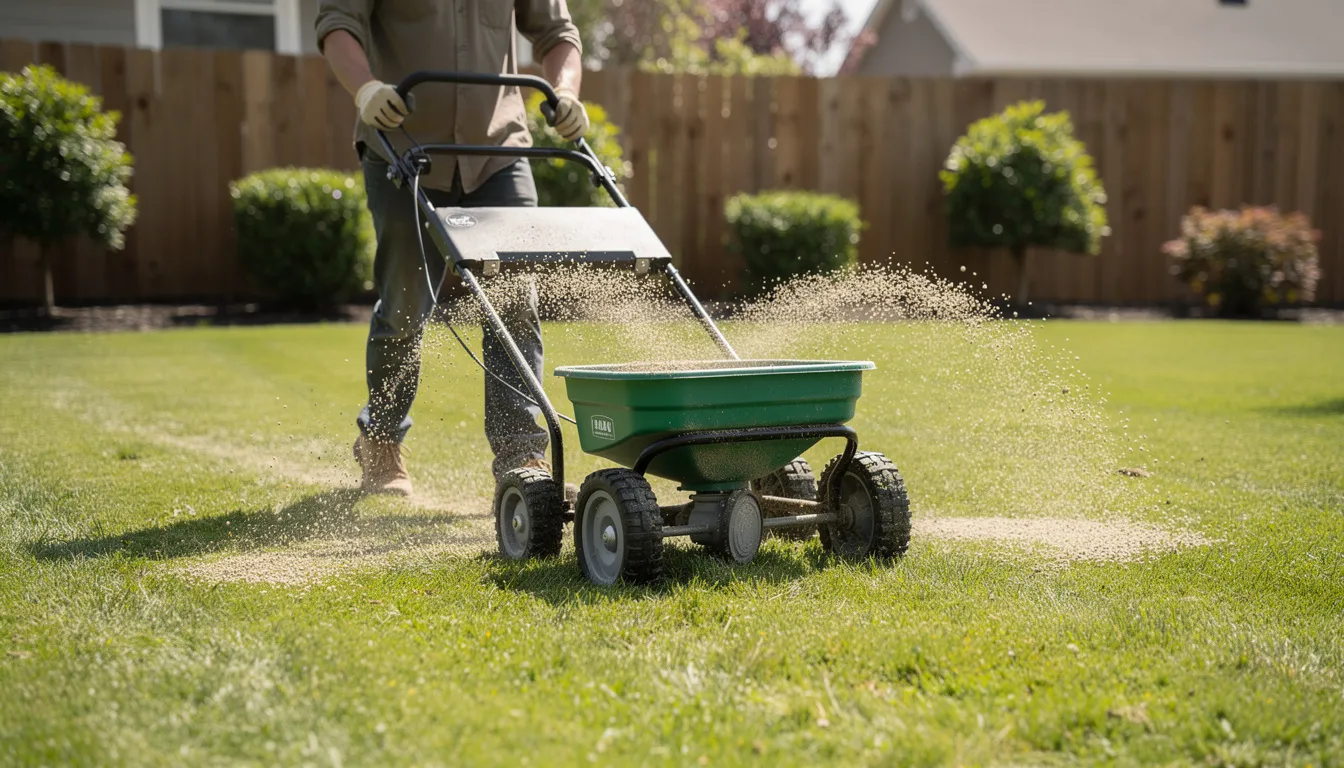
Here’s what you need to know about fertiliser types:
-
Spring/summer granular fertiliser (higher nitrogen) – Encourages lush leaf growth and deep green colour. Apply when grass is actively growing. Risk of scorching if you overdose or apply during drought without water.
-
Autumn/winter fertiliser (lower nitrogen, more potassium) – Hardens grass against frost, disease, and winter stress. Avoid high-nitrogen feeds in autumn as they encourage soft growth vulnerable to cold.
-
Slow-release vs quick-release – Slow-release fertilisers like polymer-coated granules feed steadily over 8-10 weeks, reducing surge growth and mowing frequency. Quick-release options give rapid green-up within days but need more frequent application.
-
Liquid fertiliser – Suits smaller lawns or quick fixes on tired patches. Apply via watering can or hose-end sprayer. Needs re-application every 3-4 weeks during the growing season as nutrients don’t persist in soil.
The GREENER GROWTH fertiliser exemplifies a premium, season-appropriate approach. Used within the Seasonal Care plan, it promotes strong roots, sustained colour, and reduced surge growth—so you’re not mowing every three days in June.
Always use a spreader for granular products and follow the label rate per square metre to avoid scorch marks on your lawn.
Liquid vs Granular: Which Fertiliser Format Should You Use?
There’s no single “best” format—only what suits your lawn and your lifestyle. Both liquid fertilisers and granular feeds have their place.
Liquid fertiliser:
-
Fast-acting with visible results in days
-
Great for small lawns and spot-treating tired or patchy areas
-
Needs frequent re-application (every 3-4 weeks during spring and summer)
-
Easy to mix with water and apply where you need it most
Granular fertiliser:
-
Longer-lasting, typically feeding for 6-10 weeks
-
Better for medium to large lawns where liquid application would take hours
-
Needs watering in or applying before rain for best effect
-
More economical for bigger spaces
GREENER uses both granular and liquid-style approaches within its programmes, chosen by season and lawn condition. This means you get the right format at the right time without having to decide yourself—something that’s easier when you follow a structured UK lawn care calendar.
Best Moss Killers and Anti-Moss Lawn Treatments
Moss thrives in UK lawns because our climate is almost perfect for it: shade from buildings and trees, compacted soil from foot traffic, poor drainage on clay, and low fertility from lack of feeding. Killing moss is only half the job—if you don’t fix the underlying conditions, it returns within a season.
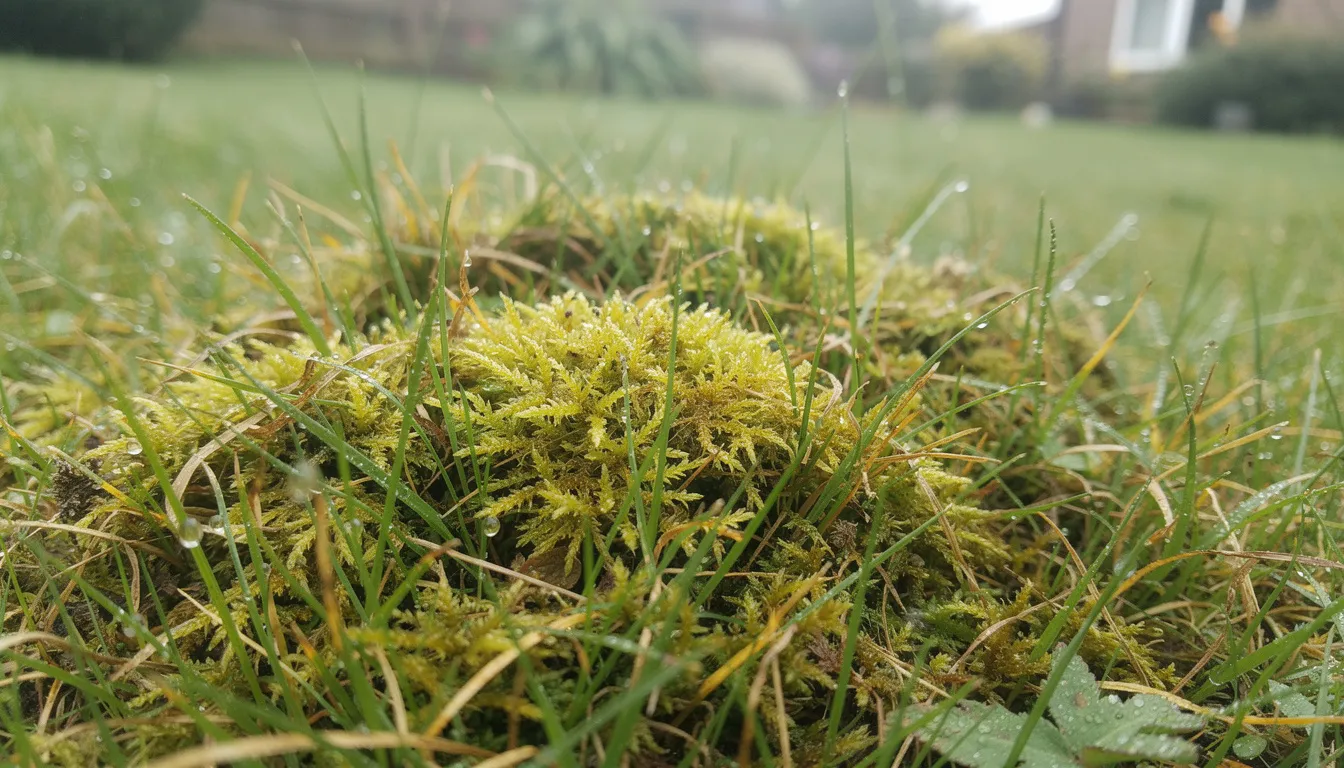
Here’s what works for moss treatment:
-
Ferrous sulphate-based moss killers:
-
Blacken moss quickly, often within 24-48 hours
-
Often combined with fertiliser in “feed and moss killer” products
-
Dead moss must be raked out or scarified, otherwise it smothers new grass growth
-
-
Combined feed + moss killer products:
-
Good for lawns where grass is thin and moss-dominated
-
Provide nutrients while knocking back moss, encouraging grass to fill the gaps
-
One application tackles two problems
-
Safe use guidance:
-
Apply in cool, damp conditions (early spring or early autumn) when grass is actively growing but moss is vulnerable
-
Keep product off patios, stone, and decking to avoid rust-like staining from iron content
-
Keep children and pets off the lawn until granules have dissolved or as the label directs
GREENER POWER represents the moss and thatch-focused phase of the Transformation system. It weakens moss and encourages stronger grass without you needing to choose individual products or calculate dosage rates.
After moss treatment, always rake out dead moss, overseed bare patches, and feed regularly to prevent moss returning.
Preventing Moss Returning After Treatment
Without prevention, moss usually creeps back within a season or two in UK gardens. Killing it once isn’t enough—you need to address why it grew in the first place.
Focus on these prevention actions:
-
Improve drainage – Use hollow-tine aeration on compacted lawns, especially if you have heavy clay soil. This lets air and water reach roots.
-
Reduce shade – Lift lower branches on trees and thin out dense shrubs to increase light reaching the grass.
-
Raise mowing height – Avoid scalping, particularly under trees and during dry weather. Longer grass shades out moss and develops deeper roots.
-
Feed appropriately – Regular feeding through the year keeps grass dense and competitive, leaving no room for moss.
GREENER’s Seasonal Care with GROWTH and POWER layers these preventative benefits automatically across the year, so your lawn stays thick enough to naturally discourage moss.
Best Weed and Feed Products for Weed-Filled Lawns
Weed and feed products are powerful tools for traditional lawns, but they’re not suitable for everyone. If you value daisies, clover, or a more biodiverse lawn, these products will kill the plants you’re trying to encourage.
Here’s what combined weed and feed products do:
-
Selective herbicides target broadleaf weeds like dandelions, daisies, plantains, and clover without killing grass. The weedkiller is absorbed through weed leaves while grass remains unharmed.
-
Integrated fertiliser thickens grass so future weeds struggle to establish in the denser sward.
-
Many include moss killer too, offering an “all-in-one” pass in spring for lawns with multiple problems.
Safe use guidance:
-
Apply between April and September when weeds are actively growing and will absorb the herbicide effectively
-
Don’t use on newly seeded lawns until they’re well established (typically 6+ months; always check the label)
-
Keep children and pets off until the product has dried or as per manufacturer advice
If you want to encourage wildlife and don’t mind some clover or daisies, skip the weed and feed. Instead, focus on regular mowing, hand-weeding problem plants, and strong fertilisation to keep grass healthy.
GREENER offers an expert-led alternative to DIY weed and feed. Our plans tackle weeds by thickening the sward and using professional-grade treatments where appropriate, all timed for UK seasons rather than guesswork—often working out better value than buying multiple products yourself, as explained in our comparison of the true cost of a healthy lawn: subscription vs DIY.
When to Avoid Weed and Feed Treatments
Not every lawn is a good candidate for weed and feed products. Using them at the wrong time or on the wrong lawn wastes money and can cause damage.
Avoid weed and feed in these situations:
-
Newly sown or recently turfed lawns – Young grass can’t tolerate herbicides. Wait until established.
-
Lawns used as runs for rabbits, tortoises, or very sensitive pets – Even “pet-safe” products may not suit animals that graze on grass.
-
Areas where you’re encouraging wildflowers, clover, or a natural look – The herbicide will kill exactly the plants you want.
-
Drought-stressed or waterlogged lawns – Stressed grass can’t recover from herbicide application and may yellow or die.
In these cases, GREENER’s approach prioritises gentle feeding, mowing adjustments, and selective spot treatments rather than blanket weed and feed applications.
Grass Seed, Patch Repair, and Renovation Products
Even the best lawn treatment products work better on a lawn that’s thick and well-populated with grass. If you have bare patches, worn areas, or thin coverage, overseeding and patch repair are essential alongside feeds and treatments.
Here are the seed types relevant to UK homeowners:
-
Hard-wearing family seed mixes (ryegrass-based) – Ideal for lawns with children, pets, and regular foot traffic. Germinates quickly and repairs fast.
-
Finer ornamental mixes – For neat, closely mown lawns with a “bowling green” appearance. Slower to establish but gives a dense, fine finish.
-
Shade-tolerant mixes – Essential for under trees or north-facing gardens where standard seed struggles.
Patch repair products:
-
Pre-mixed combinations of seed, light fertiliser, and moisture-retaining granules
-
Good for dog spots, worn goalmouths, and heavy traffic paths
-
Easy way to fix small areas without buying full bags of separate products
Basic renovation kit elements:
-
Quality grass seed suited to your lawn’s conditions
-
Balanced fertiliser to support new seedling root growth
-
Moss or weed control where necessary
-
Topdressing (optional) for levelling and better seed-to-soil contact
GREENER’s Transformation phase structures this renovation properly: removing thatch and moss, then thickening the lawn with targeted feeding, topdressing, and overseeding at the right time of year.
Ideal timings: Mid-spring (April-May) and early autumn (late August-September) offer the best conditions for most UK lawns—warm soil, reliable rainfall, and less competition from weeds. For a deeper dive into timing and technique, see our guide on the best time of year to reseed your lawn in the UK.
Choosing the Right Grass Seed for Your Lawn
Seed choice underpins how your lawn looks and behaves for years to come. Getting it right now saves frustration later.
Consider these selection criteria:
-
Sun vs shade levels – Assess how much light different areas of your garden receive throughout the day. Shaded areas need specific mixes.
-
How intensively the lawn is used – Children playing football, pets running around, or just light weekend use? Match seed durability to actual use.
-
Desired mowing height and finish – If you want a smart, formal look, choose finer grasses. For a more relaxed, informal lawn, hardwearing ryegrass-based mixes are perfect.
Buying guidance:
-
Choose reputable UK suppliers with blends suited to UK climates
-
Avoid very cheap, low-germination mixes—they leave bare patches and invite moss and weeds
-
Check the seed mix percentage on the box; higher percentages of named cultivars indicate better quality
GREENER can advise on blend type and timing as part of a tailored lawn plan, so you don’t have to decode seed labels alone.
Pet- and Child-Safe Lawn Treatment Products
If you’re also keen to reduce chemical use and packaging waste, an eco-friendly lawn care subscription kit can help you treat your lawn safely while minimising environmental impact.
Many UK homeowners hesitate to use lawn care products because they’re worried about safety. This concern is completely valid—but with careful product choice and timing, you can have both a safe garden and a healthy lawn. You’ll find more answers to common concerns in our GREENER lawn care FAQs.
Here’s what to look for:
-
Clear labelling – Choose products explicitly marked as safe for children and pets once dried or watered in. Reputable brands test thoroughly.
-
Organic or plant-based fertilisers – These rely less on harsh synthetic salts and are gentler on the environment.
-
Treatments without persistent herbicides – Where pets dig or graze, avoid products with long-lasting soil-active chemicals.
Safe practice:
-
Apply treatments on a dry, still day and keep children and pets off until the lawn is completely dry or as per label guidance
-
Store all lawn products securely in sheds or garages out of reach
-
Avoid treating just before heavy rain to reduce runoff into flower beds or drains
GREENER takes safety and environmental responsibility seriously. Our professional-grade products are applied at correct doses, and visits are scheduled to minimise disruption to family use of your garden. You get results without compromising on safety.
How GREENER’s System Ties Your Lawn Products Together (and Removes the Guesswork)
While DIY lawn care products can work, the real magic happens when you use the right treatments, at the right rates, at the right time of year. For most homeowners, juggling different bags, bottles, and application schedules is where things go wrong.
The Transformation phase:
-
Initial assessment of your lawn’s condition, soil type, and problem areas
-
Use of POWER-style treatments to tackle moss, thatch, and compaction
-
Overseeding and targeted feeding to rebuild density and coverage
Seasonal Care:
-
GROWTH fertilisers tailored to UK spring and summer for colour and resilience
-
BOOST-style tonics including bio-stimulants and seaweed-based products to help lawns cope with drought, shade, and heavy use
-
Seasonal adjustments so your lawn gets what it needs in spring, summer, autumn, and winter without you juggling different products
GREENER uses professional-quality products not typically found on supermarket shelves—think Miracle Gro but specifically formulated for UK conditions and professionally dosed for your garden’s square metre coverage. If you’re unsure whether this approach suits you, real gardeners share their experiences in our guide on whether a lawn subscription kit is worth it, and you can explore how garden care subscriptions in the UK simplify seasonal lawn care more generally.
Ready to see the difference?
Visit grassisalwaysgreener.co.uk to answer a few questions about your lawn and receive a tailored plan. It removes the trial-and-error of choosing products yourself and gives you a clear path to a greener, softer, more resilient lawn. You can learn more about GREENER’s background and experience, and if you’d like step‑by‑step help alongside your products, explore our library of lawn care guides for UK homeowners. If you’re still unsure or have specific questions about your lawn, our team is available via the We’re Here to Help contact page.
Your perfect lawn is closer than you think—and you don’t have to become an expert to get there.


