


Getting your lawn mowing frequency right is one of the simplest ways to build a healthy lawn. Mow too often and you stress the grass plants. Wait too long and you end up hacking through a jungle. This guide breaks down exactly how often to mow lawn based on seasons, growth rate, and the one third rule that underpins all good lawn care.
Key Takeaways
How often you mow your lawn depends on grass growth, season, and one guiding principle: never remove more than one third of the grass blade height in a single cut. For most people with a typical UK garden, that translates to roughly these frequencies:
-
The core rule: if you want a 2-inch lawn, mow before the grass reaches about 3 inches. Consistent mowing at this ratio leads to thicker, healthier grass over time.
-
Spring: every 10–14 days at the beginning of the season, moving to weekly as weather begins to warm.
-
Summer: once a week in average conditions, up to twice a week during warm, wet spells.
-
Autumn: every 10–14 days in September, tapering to occasional cuts by late autumn.
-
Winter: only if growth demands it and the ground is dry and unfrozen.
Optimal mowing frequency varies with grass type and season, so always adjust your mowing routine based on how fast the turf is actually growing, recent weather conditions, and any visible signs of stress on the lawn surface.
The One-Third Rule: Your Main Guide to How Often to Mow
The one third rule is the single most important principle in grass cutting: whenever you mow a lawn, never cut off more than one third of the grass height in one pass. This rule has been standard in turf science since the 1930s, and research confirms that following it can reduce annual mowing events by roughly 31% while maintaining visual quality.
Here is a worked example. If your target cutting height is 2.5 inches, you should mow before the grass reaches about 3.75 inches. Waiting until it hits 6 inches and then scalping it down breaks the rule badly.
Cutting too much grass stresses the plant. When you remove more than one third of the grass blade, the grass must burn through stored energy to recover, which weakens roots, exposes soil to weeds, and invites moss. Keeping cuts light encourages denser turf and deeper root systems.
The rule also indirectly sets your schedule. The faster the grass grows during warm, wet weeks, the more frequently you need to mow to stick within that limit. This applies to most cool-season grasses common in UK lawns (ryegrass, fescue) and warm-season varieties alike, though ornamental lawns cut with a cylinder mower at very low heights still follow the same principle - just at smaller margins.
How Often to Mow by Season
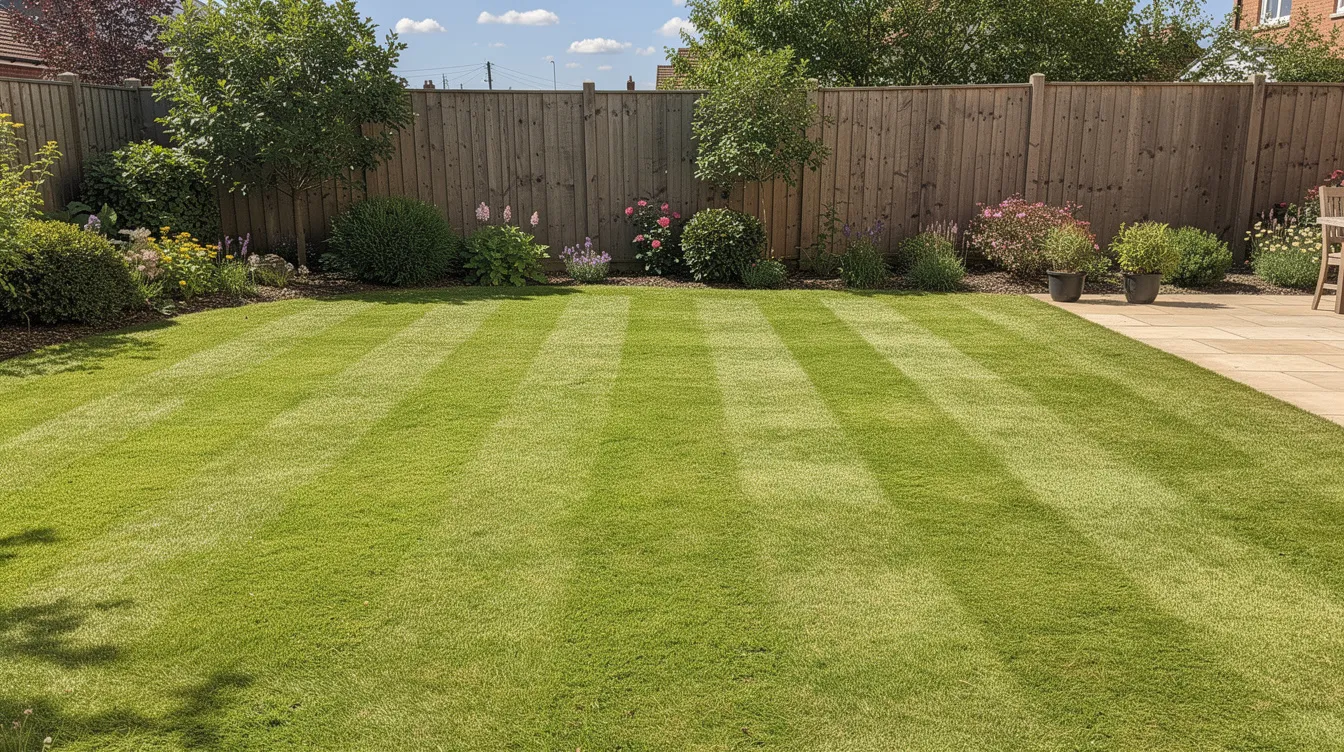
In the UK, lawn mowing frequency is best planned by season, then fine-tuned by actual growth rate and the one third rule. Growth peaks during warm, wet conditions of spring and early summer, then slows as temperatures drop or drought sets in.
The ranges below assume a typical domestic lawn and a standard rotary mower or push mower. Weather in any given year - a soaking June or a scorching August - can shift these patterns, so treat them as starting points. Cutting height also changes by season: generally a bit higher in summer and winter to protect roots, slightly lower in late spring for a neater look.
Spring: Waking the Lawn Up Gently
Spring (late March to May) is when grass starts growing again as soil temperatures consistently rise above about 6°C. Mow when temperatures are above this threshold and the ground is firm enough to support your mower without sinking.
For your first cut, wait until grass reaches roughly 5–7 cm. Start mowing every two weeks in early spring - around late March or early April - keeping the mower on its highest setting. As weather begins to warm through April, expect to mow every 10 days in spring as temperatures rise.
By late April to mid-May, shift to weekly mowing. Always ensure you only remove about one third of the grass height. For an ordinary family lawn, begin around 6–7 cm (2.5–3 inches) in March, then gradually move towards 4–5 cm (1.5–2 inches) by late May.
If the grass has grown very tall over winter, never scalp it in one go. Take it down over two or three cuts a few days apart. That first cut of the year sets the tone for the entire mowing season.
Summer: Peak Growth and Weekly (or More) Mowing
From June through August, warmer temperatures and adequate moisture make grass grow fastest. Heavy rainfall and warm temperatures stimulate rapid growth, and lawns that are well-watered and heavily fertilized grow even faster.
Here is a practical frequency guide for the summer months:
|
Condition |
Frequency |
|---|---|
|
Average UK summer |
Once a week |
|
Warm, wet spells |
Every 4–5 days (twice a week) |
|
Drought or dry weather |
Every 10–14 days |
|
Ornamental/fine lawns |
Twice a week with a cylinder mower |
Cool-season grasses require mowing every 7 to 10 days during the main season, while warm-season grasses may require mowing every 3 to 5 days during summer in peak growth.
A higher cutting height helps the lawn retain moisture during dry weather. Maintaining grass at 3 to 4 inches tall helps retain moisture and shades the soil. During drought or hosepipe bans, mow at a higher cutting height and allow longer grass to preserve what moisture remains. Lawn growth slows during hot summer dormancy, so you can safely extend intervals.
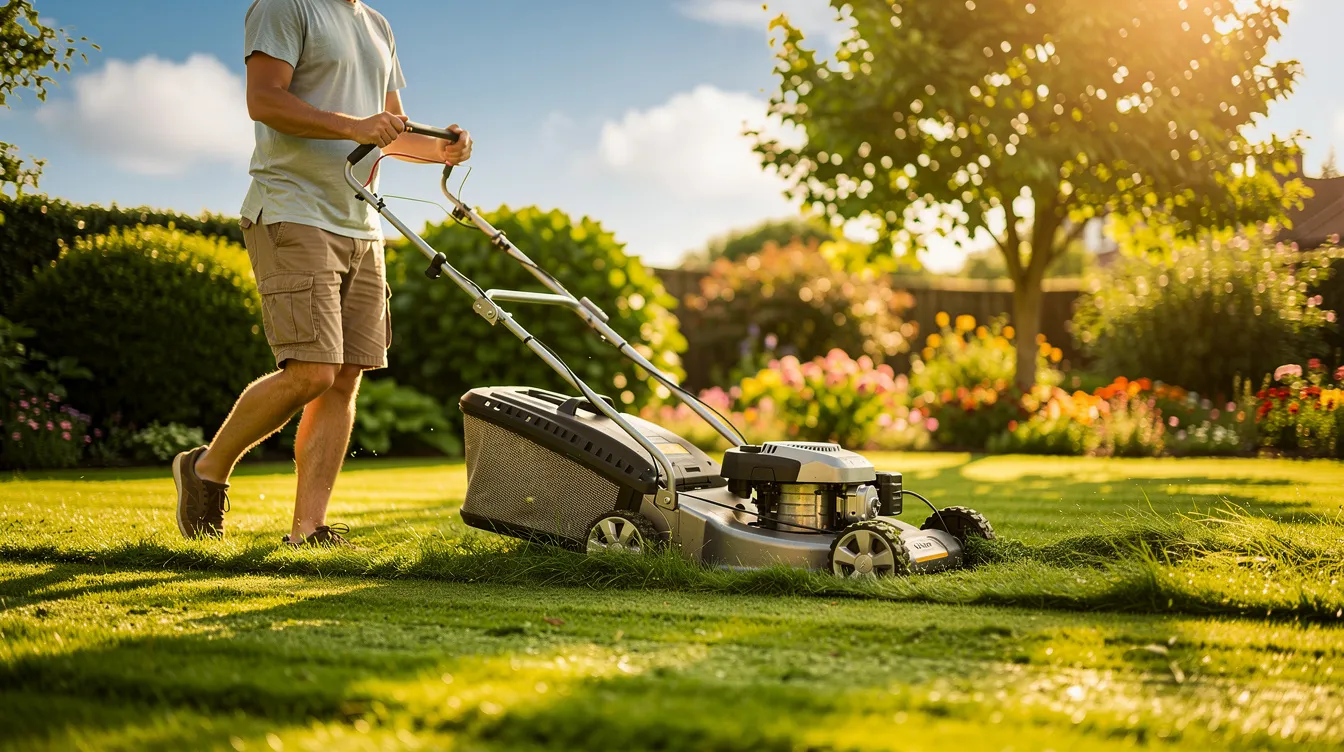
Mow in the morning or evening during hot weather to avoid midday sun stress on freshly cut grass. Mowing your lawn is also good exercise - a decent-sized garden with a push mower or one of the heavier petrol mowers can be a real weekend workout.
Autumn and Winter: Slowing Down Without Neglecting the Lawn
From September through November, cooler temperatures and shorter days naturally slow grass growth. In early autumn, mow every 10–14 days, gradually raising the cutting height back to around 5–6 cm to help the lawn build energy reserves for winter. Mow every 2 to 3 weeks during autumn as growth slows further.
By late autumn - late October to early November - most UK gardeners can stop regular mowing. Only bring the mower out on a dry, mild day if the grass has clearly kept growing. Avoid mowing during frost to prevent grass damage, and never mow wet grass to avoid soil compaction.
For winter (December to February), mow only if the lawn is actively growing, completely dry, and the ground is not frozen or waterlogged. This might mean one cut at the beginning of winter and another near the end. Never mow when grass is frosty, covered in debris from trees, or saturated - this crushes blades, compacts soil, and causes bare or muddy patches come spring. Even in milder UK winters, wait for conditions to cooperate before you cut grass.
How to Tell If You're Mowing Too Often or Not Enough
Beyond calendars and seasonal rules, your lawn itself shows visible signs when your mowing routine is off.
Signs of mowing too often or too short:
-
A thin, yellow or pale appearance across the lawn surface
-
Visible soil between grass plants
-
Increased weeds filling gaps in stressed turf
-
Brown, frayed tips on each grass blade from dull blades tearing rather than cutting
Signs of mowing too rarely:
-
The mower struggling through tall, thick growth
-
Clumps of wet grass clippings smothering the lawn
-
Blades bending over instead of standing upright
-
Uneven colour and a messy, unkempt look
If you are over-mowing, raise the mower height a notch and extend the interval by a few days. If under-mowing, shorten the gap gradually until each cut removes only about one third. Checking your grass clippings after each session is a quick diagnostic: very long, coarse pieces mean you waited too long; barely visible clippings combined with a stressed lawn mean you are cutting too short or too frequently.
Practical Lawn Mowing Tips for a Healthier Lawn
How you mow matters just as much as how often. A few habits make a noticeable difference to lawn maintenance over a full season.
-
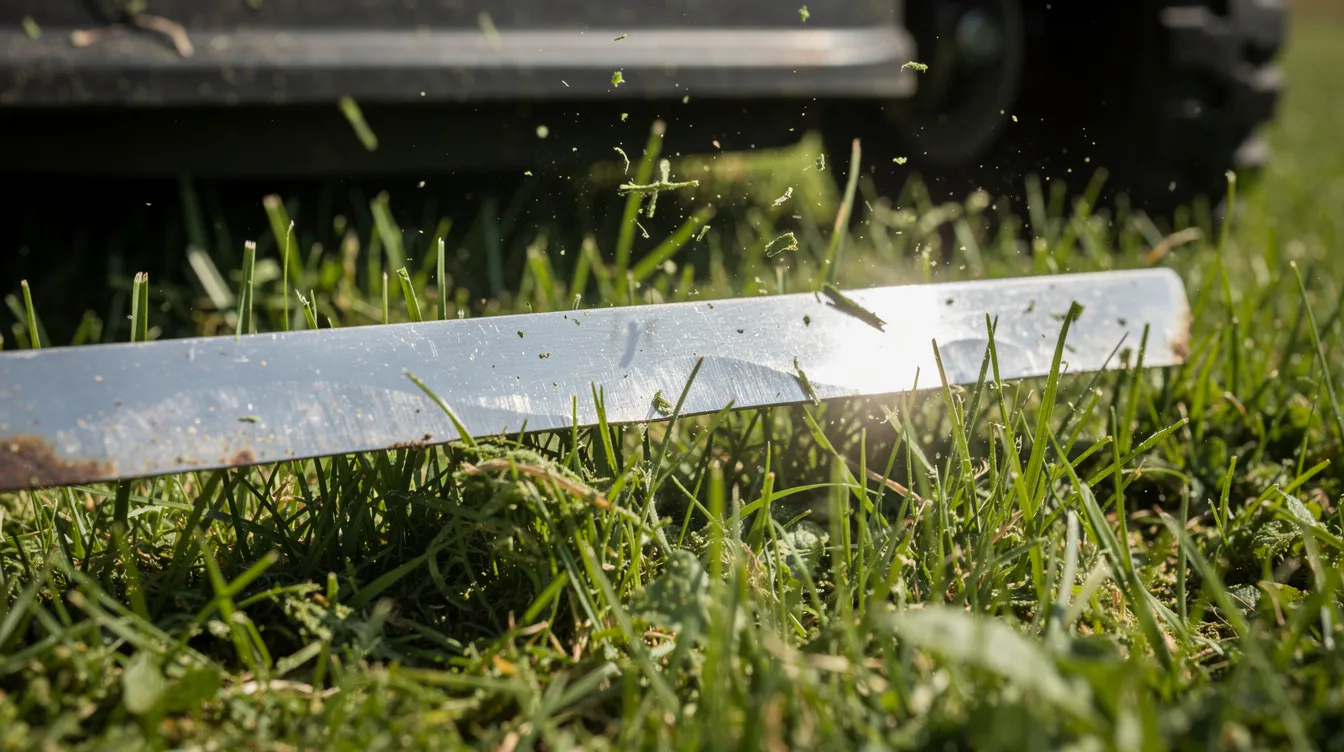
Sharp blades always. A sharp lawn mower blade slices cleanly, reducing moisture loss and disease entry. Dull blades tear the grass, leaving brown tips. Check and sharpen at least twice per mowing season.
-
Time it right. Mow in the late morning or early evening to avoid midday sun. Avoid mowing when ground is soft or grass is wet to prevent damage, wheel ruts, and compaction.
-
Handle clippings wisely. Light grass clippings can be left as mulch to return nutrients to the soil. In wet or disease-prone periods, prefer to collect them so they do not smother the lawn or encourage fungal growth.
-
Change direction. Vary your mowing pattern from week to week. This prevents grass from leaning in one direction and reduces slight ruts along repeated wheel tracks, helping maintain good condition across the whole lawn.
-
Match mower to lawn. A rotary mower or push mower suits most family lawns. A cylinder mower is better for fine, ornamental turf. Either way, maintaining sharp blades and the correct cutting height keeps your garden looking green and tidy.
FAQ
These questions cover common edge cases not fully addressed above, helping you fine-tune your mowing routine for specific situations.
Can I mow during "No Mow May" if my grass gets too long?
"No Mow May" is a wildlife-friendly campaign encouraging gardeners to stop mowing for the month to support wildflowers and pollinators. You can compromise by leaving part of your garden uncut for wildlife while lightly mowing play areas or paths if the grass becomes unmanageable. If you skip most of May, do not suddenly scalp the lawn in June. Lower the height gradually over several cuts, removing only about a third of the grass each time to avoid shock.
Is it better to cut grass shorter so I can mow less often?
Cutting very short to delay the next mow is usually a mistake. It removes more than one third, stresses the plant, and leaves soil exposed to weeds and drying sun. Slightly longer grass with regular, light trims develops deeper roots, better drought resistance, and fewer weeds. A practical compromise for most home lawns is around 4–6 cm - this balances a neat appearance with resilience, and the one third rule still governs how often you should mow.
Should I mow a new lawn or freshly laid turf differently?
New seed and fresh turf need patience. Do not mow until the grass height reaches roughly 5–7 cm and the turf has rooted firmly enough that a gentle tug does not lift it. Set the mower on its highest setting for the first cut, removing only a small bit of growth. Gradually lower to your desired length over several weeks. Use a very sharp blade, mow only in dry weather, and keep the frequency conservative at first. As the lawn thickens and establishes into denser turf, you can settle into your usual mowing routine.


