


More grass seed fails from bad timing than from bad seed. In the UK, grass seed germinates once soil temperature is consistently above 8°C, with the best results between 10°C and 18°C, so getting the temperature right matters more than any product you could buy. This guide explains when to sow, how to check soil temperature yourself, what goes wrong if you seed too early or too late, and how to give new grass the best start once conditions are right.
Grass seed hub: For seed selection, timing and sowing fundamentals, start with our complete UK grass seed guide.
Free download: Grab the complete GREENER Lawn Guide: everything you need to grow, fix and maintain a UK lawn, all year round.
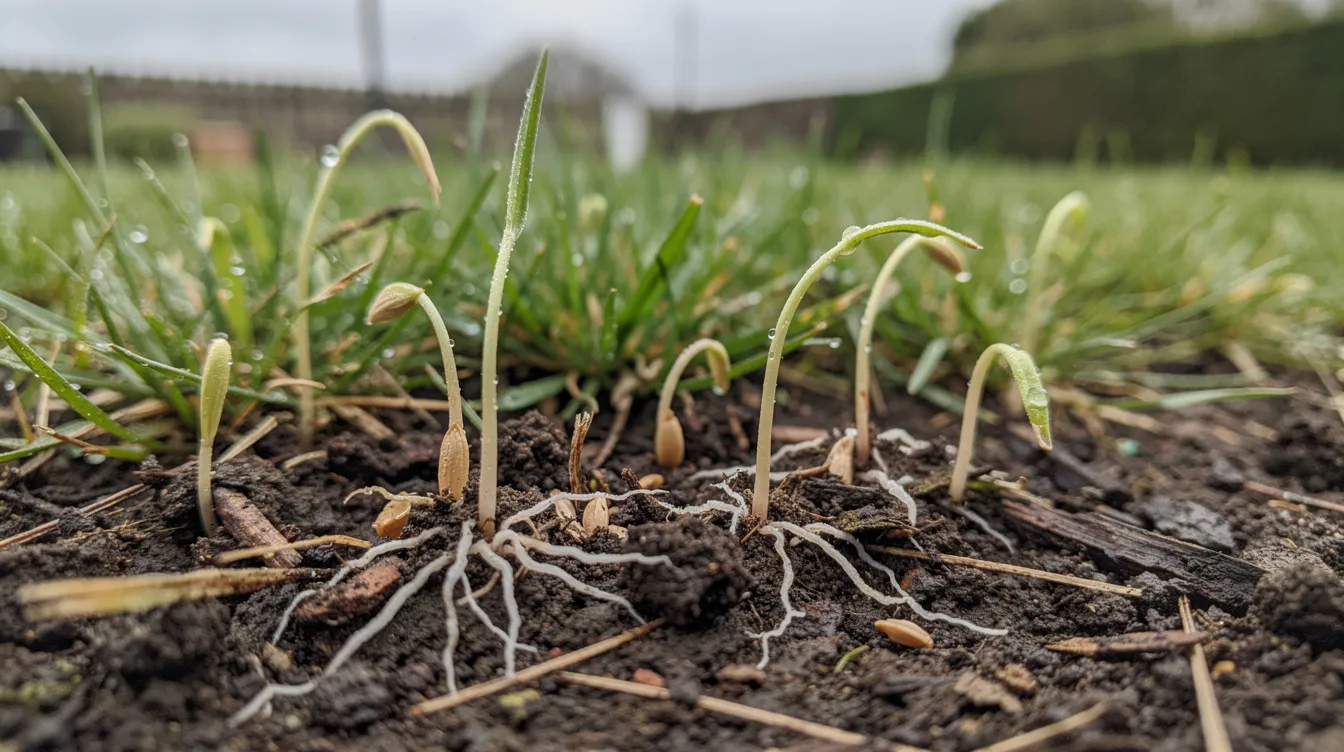
Why temperature matters more than the calendar
It's tempting to sow by date: seed in spring, seed in autumn. But grass seed doesn't read a calendar; it responds to soil conditions. The right choice depends on your local soil and temperature, not just the date or how warm the air feels. A warm March and a cold May happen most years, and soil temperature can lag well behind the air, especially after a cold winter or in shaded, north-facing parts of the garden. Sowing by feel or by date alone is how a lot of seed ends up wasted.
The temperature range that works
Most UK grass seed needs soil temperature consistently above 8°C to germinate at all. The RHS puts its own minimum at around 7°C, so treat 7 to 8°C as the floor rather than a precise cut-off. The ideal range is between 10°C and 18°C, where germination is fastest and most reliable. Below 10°C, germination slows noticeably, and below 8°C it effectively stalls. The seed can sit dormant in the soil for weeks, vulnerable to birds, rot and washing away in heavy rain, without ever sprouting.
How to actually check soil temperature
You don't need to guess. A simple soil thermometer, pushed in to around 5cm depth, gives you a direct reading in under a minute. Take it in the morning before the sun has warmed the surface, over two or three consecutive days, rather than relying on a single reading: a mild afternoon can flatter the soil temperature and undersell how cold it still is underneath.
If you don't have a thermometer to hand, air temperature is a rough proxy. If daytime highs have been consistently above 10 to 12°C for a week or two, soil temperature is usually catching up, particularly in open, sunny spots.
Best sowing windows in the UK
Two windows generally work well across most of the UK. Spring can start as early as mid-March and run to mid-May, once the soil has warmed from winter and before summer heat and drought stress set in. Autumn is usually the best window, especially from mid-August to late September, when soil is still warm from summer but rainfall is more reliable and temperatures haven't yet dropped. In milder southern UK locations, sowing into October can still work. The gap between the two, high summer, is generally the one stretch to avoid: the soil's warm enough, but heat and drought stress work against seedlings before they've rooted.
Autumn is often the more forgiving window for a second reason beyond weather. As the RHS notes, grass sown in spring tends to put its early energy into flowering rather than rooting, whereas autumn-sown grass roots in through the cooler months with nothing else competing for that energy. The soil also holds summer warmth for weeks after the air has cooled, and rain is more consistent than a British summer can promise.
What happens if you sow too early or too late
Sow too early into cold soil and you're mostly feeding birds and losing seed to rot. Very little will actually germinate, and what does may struggle against weeds that tolerate the cold better. Sow too late into a cooling autumn and seedlings may not root deeply enough before winter dormancy sets in, leaving them vulnerable to frost, waterlogging and cold damage before they've properly established.
Giving seed the best start once temperature is right
Temperature gets seed to germinate; the rest of the job is preparation. Loosen the surface so seed makes proper contact with soil rather than sitting on top of thatch or compacted ground, sow evenly at the rate the pack recommends, and keep the area consistently moist while it germinates, without waterlogging it. A starter feed suited to new grass supports early root development without the harsh, fast-release nitrogen that can scorch seedlings.
Timing is one of the simplest variables to get right, and one of the most commonly ignored. GREENER's Transformation Kit pairs LAUNCH grass seed with the feeding and biostimulant it needs to establish, so you're not trying to time three separate purchases around the same narrow window. Once the lawn's established, Seasonal Care keeps feeding landing on schedule through the year rather than a month too early or too late. If you're not sure whether now's the right moment for your lawn, our free lawn diagnosis quiz takes two minutes to find out.


